 Save
Puff pastry with minced meat and cheese makes a crisp, savory pastry that works as a snack, lunch, or party dish. This guide shows you how to handle the pastry, cook the filling, seal the parcels, bake them, and store leftovers safely. Use a food thermometer for the meat filling and keep raw dough and raw meat separate as you work.
Step 1: Thaw the pastry and minced meat safely
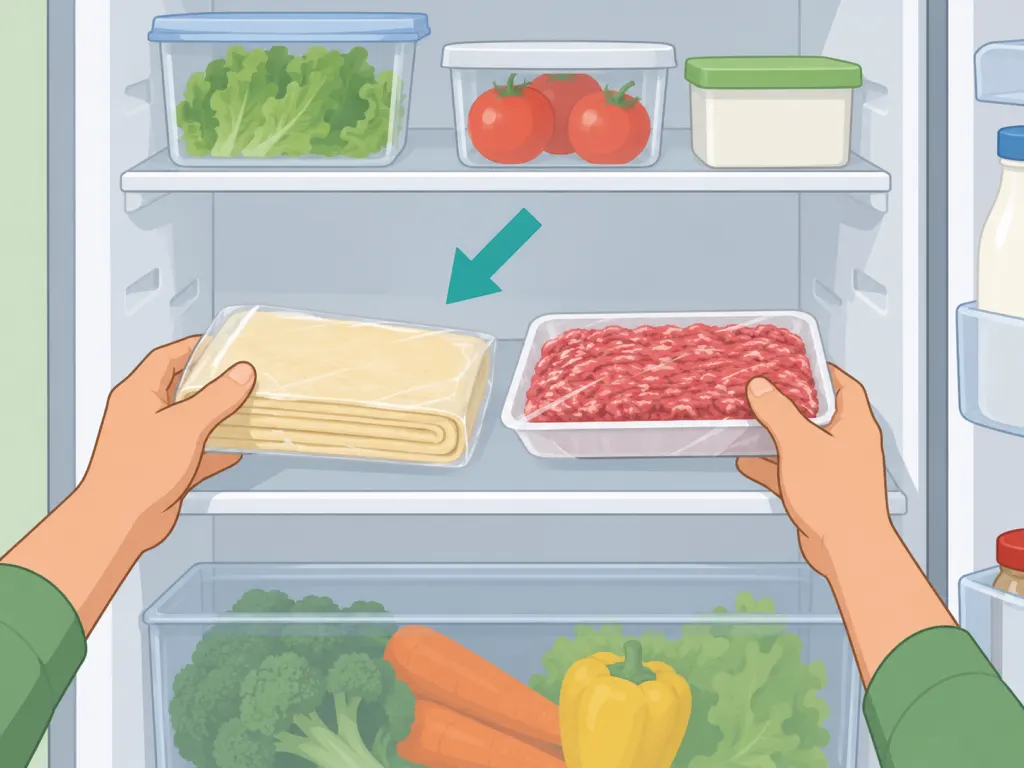
Move frozen puff pastry to the refrigerator until it is pliable but still cold, and thaw frozen minced meat in the refrigerator if possible. The USDA lists the refrigerator, cold water, and microwave as safe thawing methods, but meat thawed by cold water or microwave should be cooked right away. Keep raw meat sealed so juices do not touch the pastry, cheese, or other ready-to-eat foods, following the USDA’s clean and separate food safety steps.
Step 2: Cook the minced meat filling
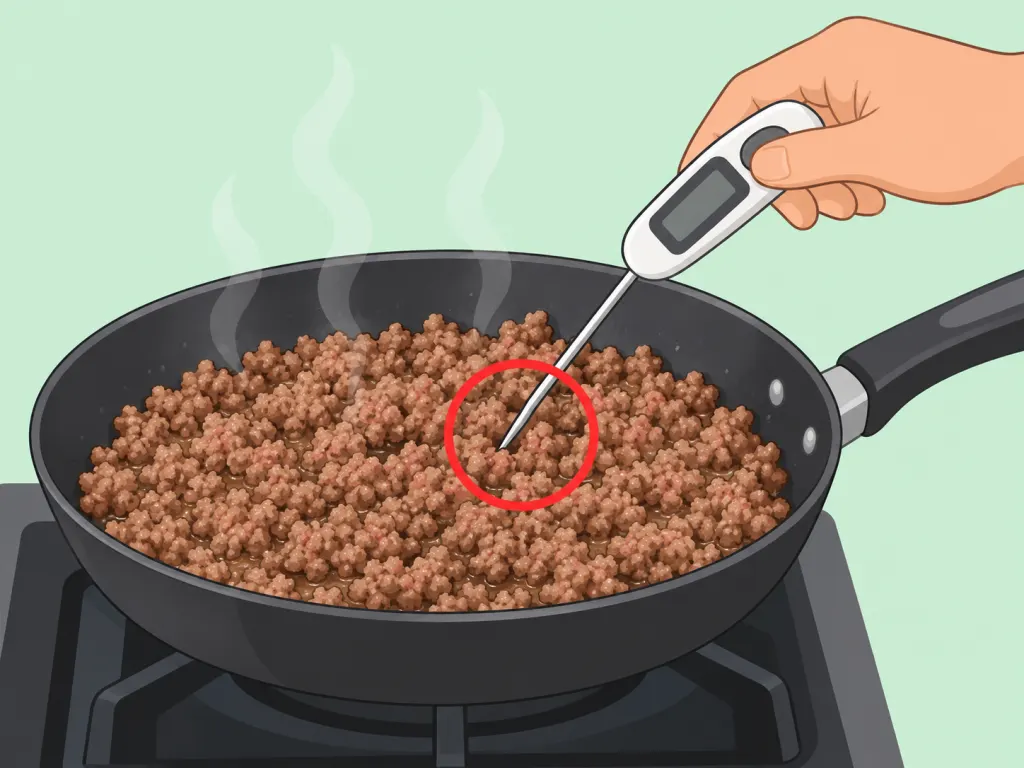
Brown the minced meat in a skillet with chopped onion, garlic, salt, pepper, and any mild spices you like, then drain off excess fat. Check the thickest part of the filling with a food thermometer; USDA ground beef guidance says ground beef should reach 160°F, and ground poultry should reach 165°F. Do not rely on color alone, since cooked ground meat can look brown before it reaches a safe temperature.
Step 3: Cool the filling and stir in the cheese
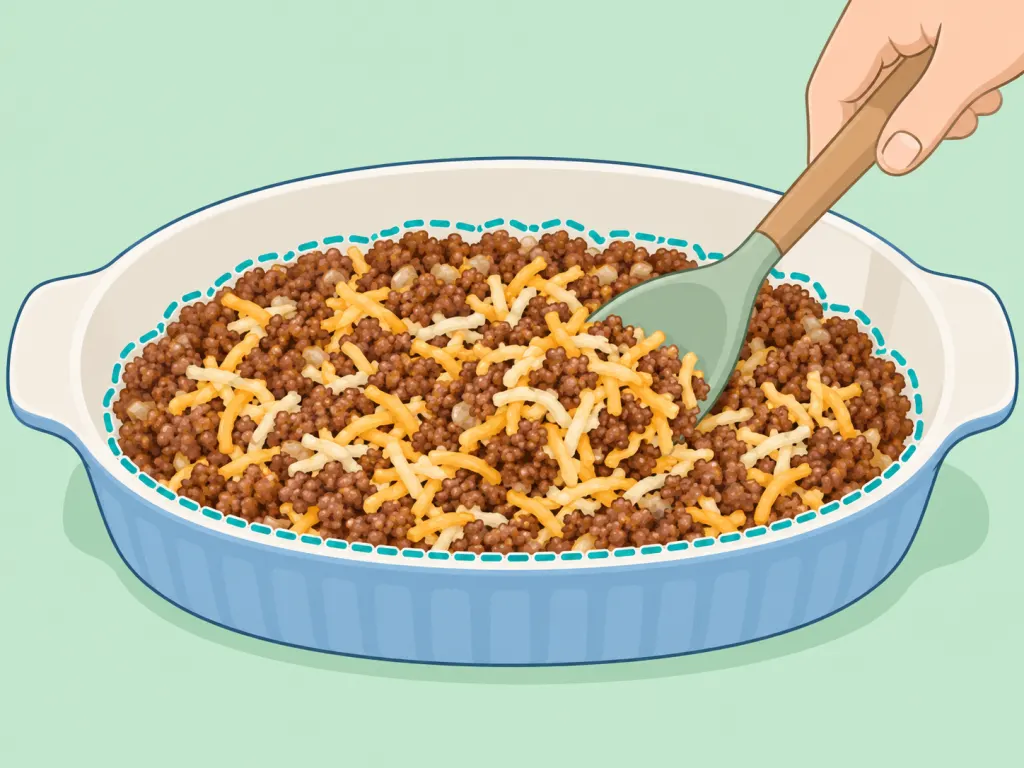
Spread the cooked filling on a plate or shallow dish so it cools faster, then stir in shredded cheese once it is warm rather than hot. A cooler filling is easier to handle and helps keep the puff pastry from softening before it reaches the oven. If you pause for more than a short time, refrigerate the filling promptly as recommended in USDA leftover safety guidance.
Step 4: Cut the puff pastry into even pieces
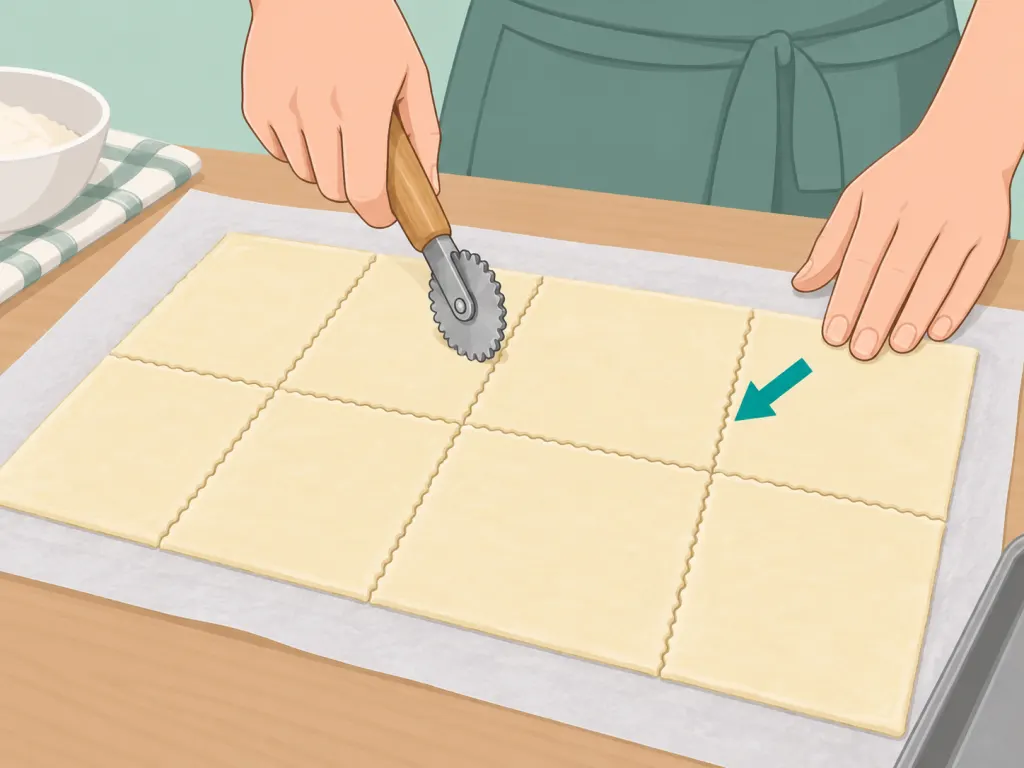
Unroll the cold puff pastry on parchment paper and cut it into squares or rectangles with a sharp knife or pastry wheel. Keep the pieces as even as you can so they bake at the same pace. Because raw dough can contain uncooked flour, the FDA advises that flour-based dough should be cooked before eating and that hands, utensils, and counters should be cleaned after handling it.
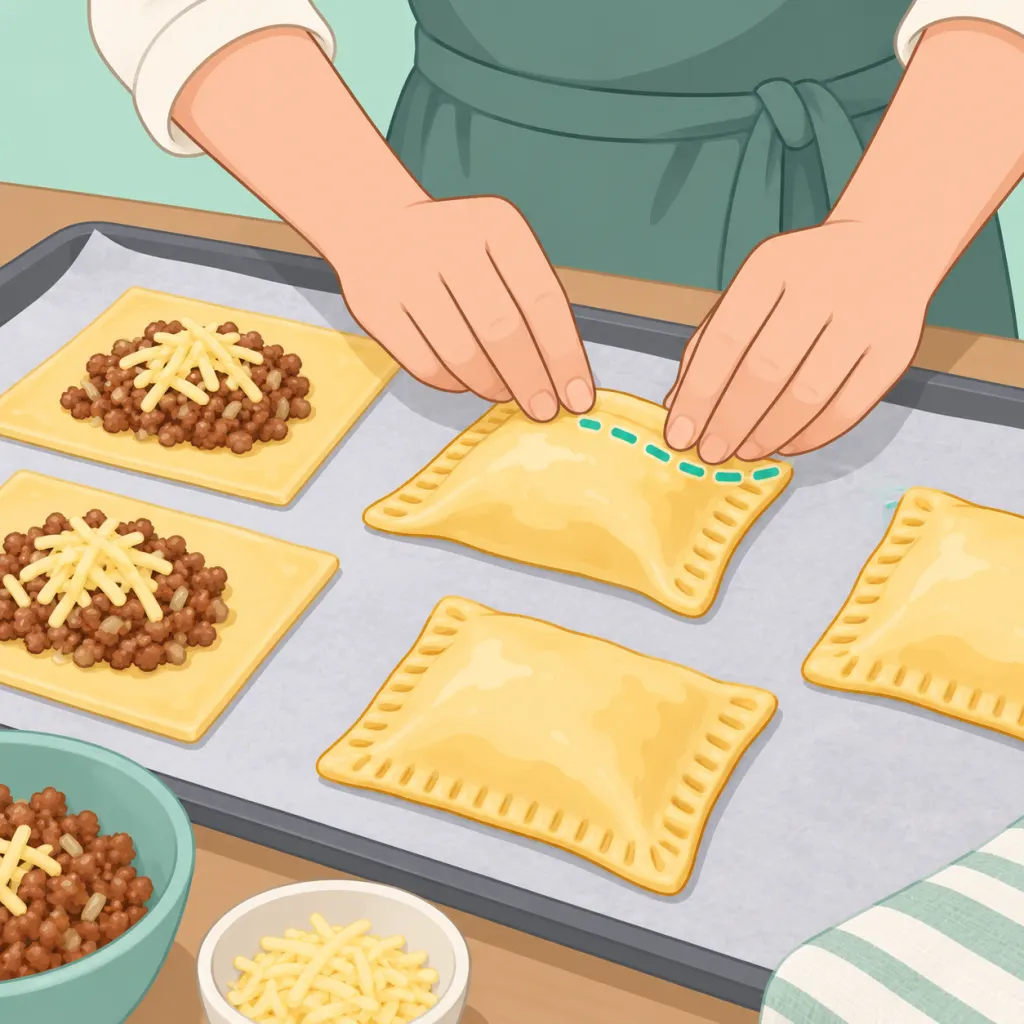
Spoon a modest amount of meat and cheese filling onto one side or the center of each pastry piece, leaving a clean border around the edge. Fold the pastry over the filling or top it with a second piece, then press the edges firmly with a fork. Avoid overfilling, because crowded parcels can split open and leak cheese during baking.
Step 6: Brush, vent, and chill the pastries
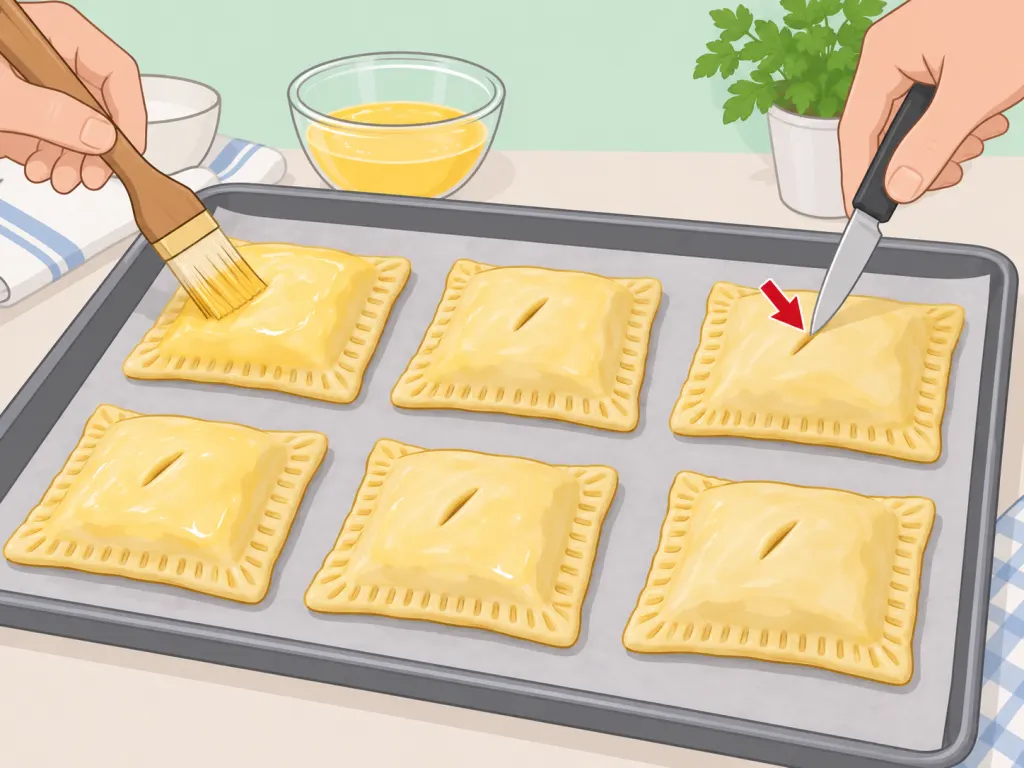
Place the sealed pastries on a parchment-lined baking sheet, brush the tops with beaten egg or milk, and cut a small vent in each one. The vent lets steam escape so the pastry can puff without bursting. Chill the tray while the oven heats, and wash any bowl or brush that touched raw egg or dough, in line with FDA flour and dough handling advice.
Step 7: Bake until the pastry is crisp and golden
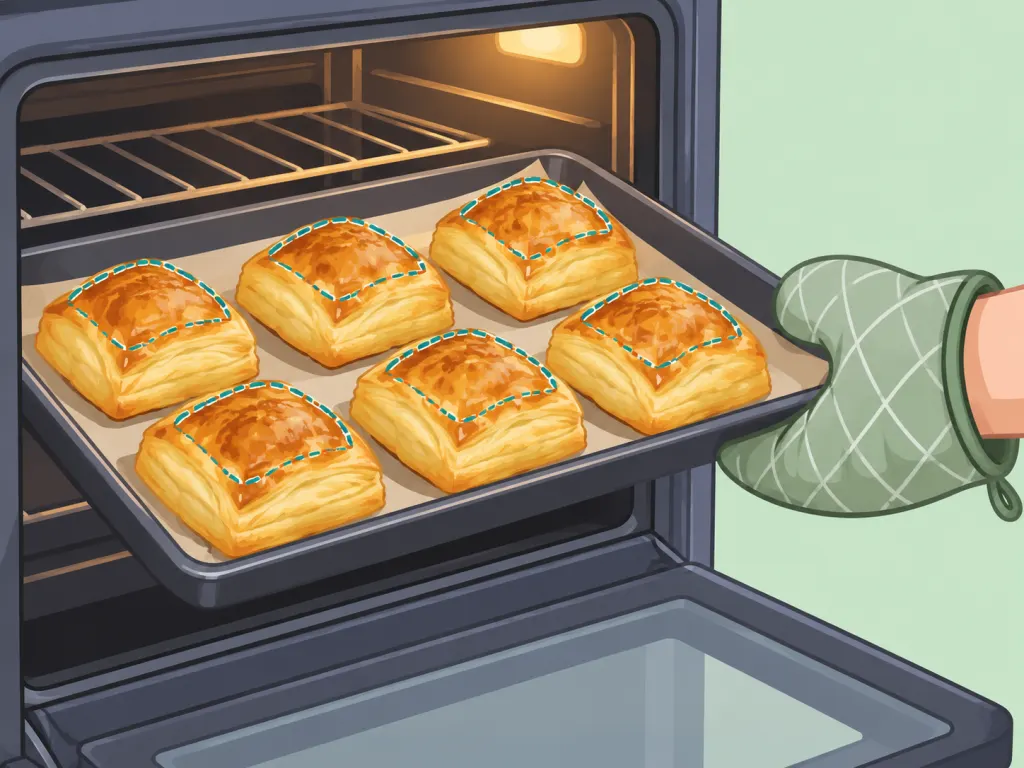
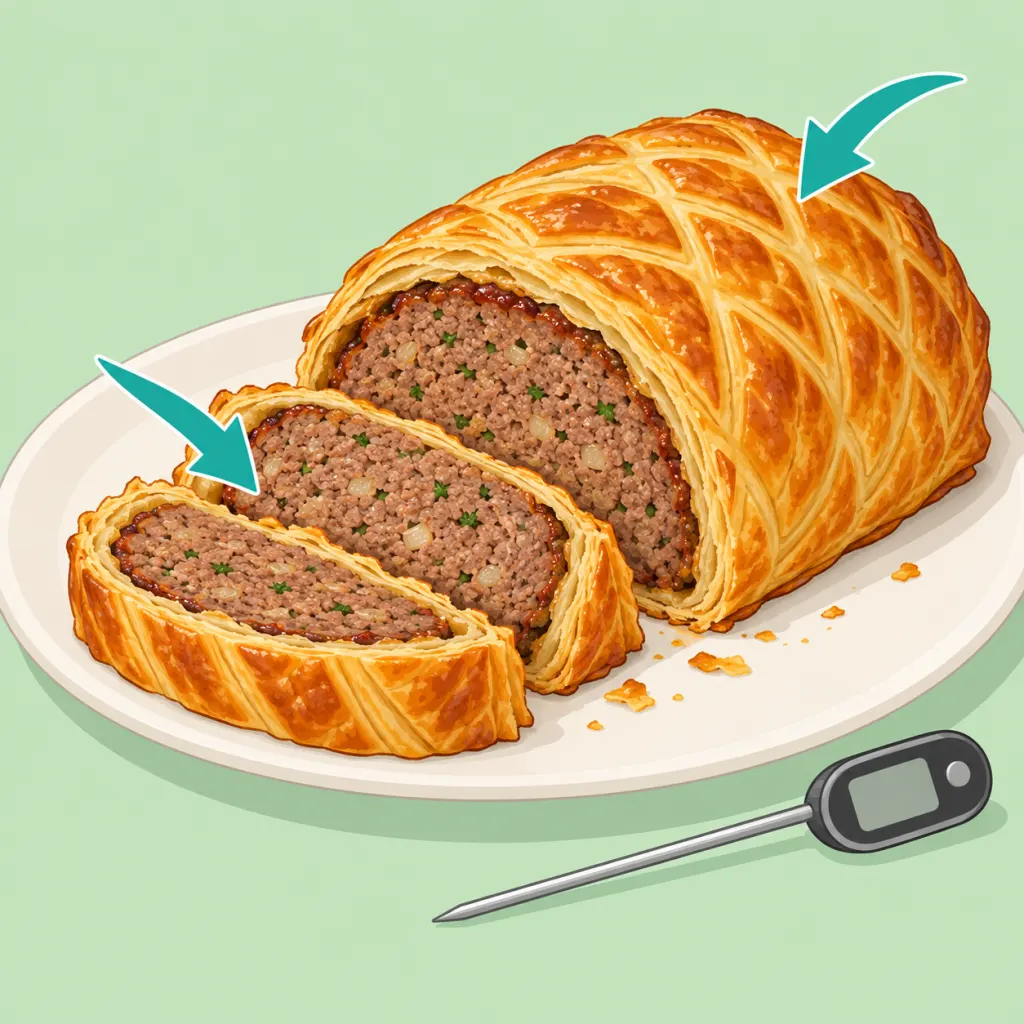
Heat the oven to 400°F, then bake the pastries until they are puffed, crisp, and deeply golden, usually about 20 to 25 minutes depending on their size. If the pastries are large or were chilled for a long time, check the center with a clean thermometer; FoodSafety.gov lists 165°F as the safe temperature for casseroles and leftovers, which is a cautious target for filled pastries. Return pale or soft pastries to the oven for a few more minutes.
Step 8: Rest, serve, and store leftovers
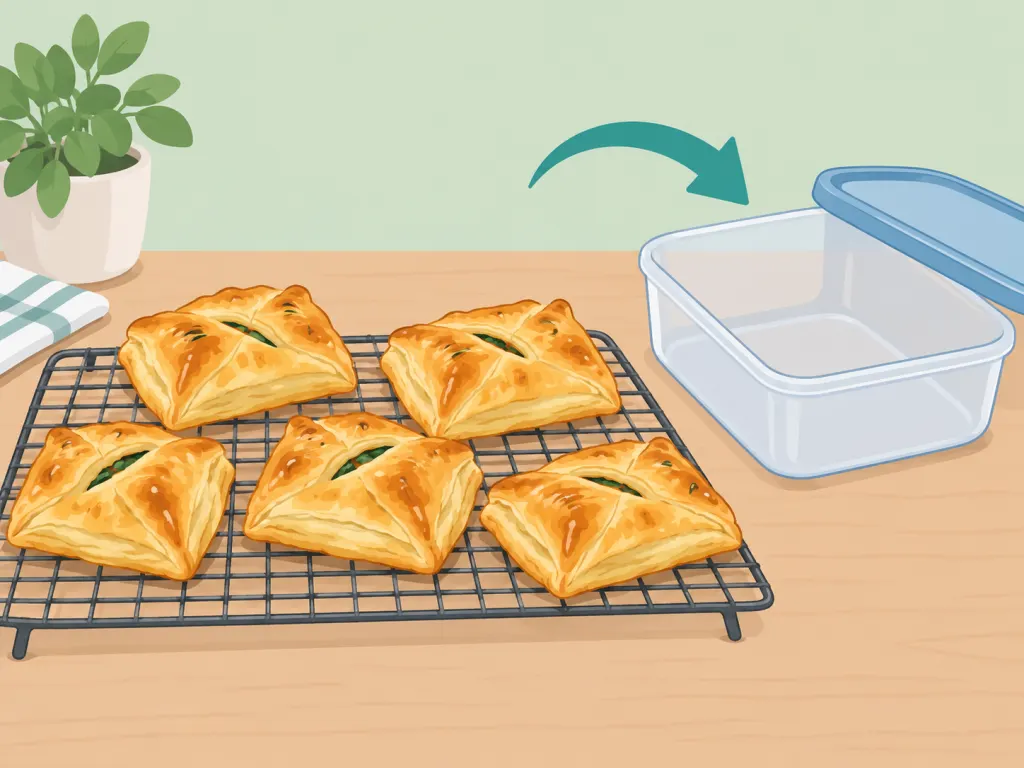
Let the pastries rest for 5 to 10 minutes so the filling settles and the cheese is less likely to run out. Serve them warm, then refrigerate leftovers within 2 hours, or within 1 hour if the room is above 90°F, according to USDA leftover storage guidance. Reheat leftovers until they reach 165°F before eating.
Step 9: Seek medical advice if severe symptoms appear
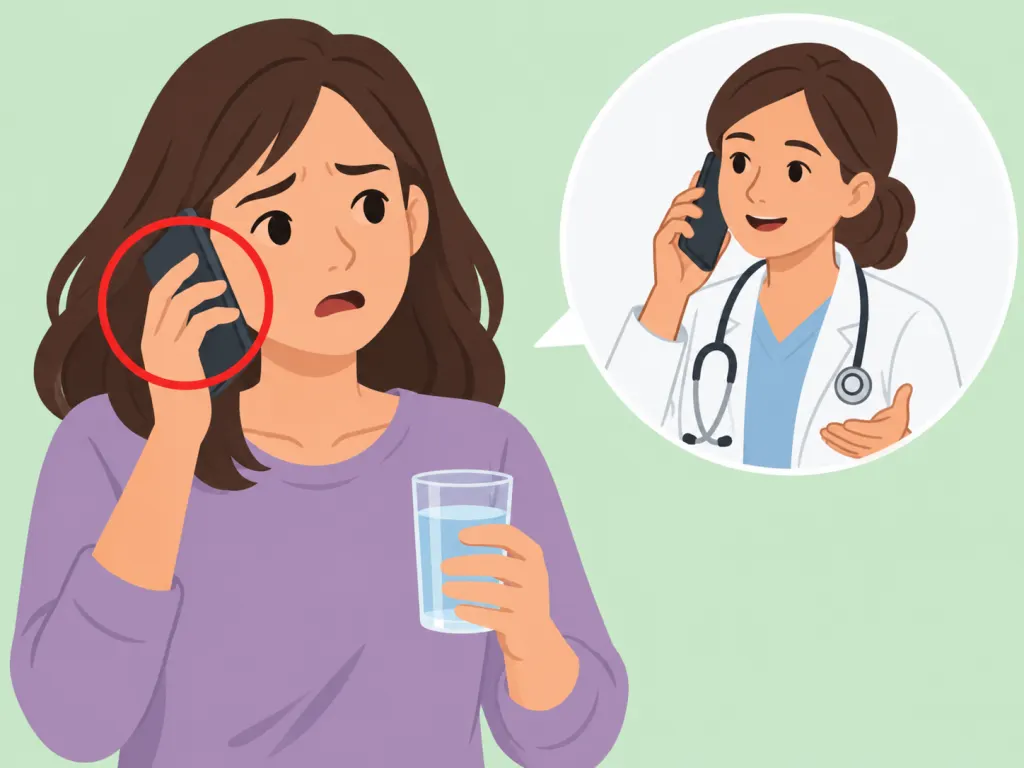
If someone develops severe symptoms after eating, follow the CDC’s food poisoning symptom guidance. See a doctor for bloody diarrhea, diarrhea lasting more than 3 days, fever over 102°F, frequent vomiting, or signs of dehydration such as dizziness, dry mouth, or very little urination. If the person is pregnant, older, very young, or has a weakened immune system, take symptoms seriously and contact a qualified health professional promptly.
Wrap-Up
The bottom line: keep the pastry cold, cook the minced meat filling before it goes inside, avoid overfilling, and bake until the pastry is fully cooked and golden. Refrigerate leftovers promptly and reheat them thoroughly before eating.
Frequently Asked Questions
- → Can I use beef, lamb, pork, or poultry for the filling?
Yes, but the safe temperature changes by meat type. Ground beef, pork, lamb, and veal should reach 160°F, while ground poultry should reach 165°F according to FoodSafety.gov temperature guidance.
- → Should the minced meat be cooked before adding it to puff pastry?
Yes. Cooking the minced meat first gives you better control over seasoning, moisture, and safe doneness; USDA guidance says ground beef should be checked with a thermometer rather than judged by color alone.
- → Why did my puff pastry turn soggy?
The filling may have been too wet or too hot when added. Drain excess fat or liquid, let the filling cool, and keep the pastry chilled until baking so the layers puff cleanly.
- → Can I make these pastries ahead of time?
You can assemble them and refrigerate them briefly before baking, as long as perishable ingredients stay cold. USDA food safety basics recommend keeping the refrigerator at 40°F or below and refrigerating perishable foods promptly.
- → Can I freeze puff pastry parcels with meat and cheese?
Yes. Freeze unbaked assembled parcels on a tray, then move them to a sealed freezer container; bake from frozen or thaw safely in the refrigerator. If reheating cooked leftovers, USDA recommends reheating to 165°F.
- → Is it safe to taste the pastry before it is baked?
No. The FDA explains that flour is usually raw, so raw puff pastry dough should be baked before eating and handled with clean utensils and surfaces.
References
This content was developed and refined using reliable sources.
- https://www.fsis.usda.gov/food-safety/safe-food-handling-and-preparation/meat/ground-beef-and-food-safety
- https://www.fsis.usda.gov/food-safety/safe-food-handling-and-preparation/food-safety-basics/steps-keep-food-safe
- https://www.foodsafety.gov/food-safety-charts/safe-minimum-internal-temperatures
- https://www.fda.gov/food/buy-store-serve-safe-food/handling-flour-safely-what-you-need-know
- https://www.fsis.usda.gov/food-safety/safe-food-handling-and-preparation/food-safety-basics/leftovers-and-food-safety
- https://www.cdc.gov/food-safety/signs-symptoms/index.html