 Save
Muscle strength matters for everyday life, from carrying groceries to getting up from a chair. After 50, small habits can make a meaningful difference in how steady, capable, and independent you feel. This guide explains practical ways to support muscle health with exercise, food, recovery, and timely professional help.
Step 1: Check your starting point honestly
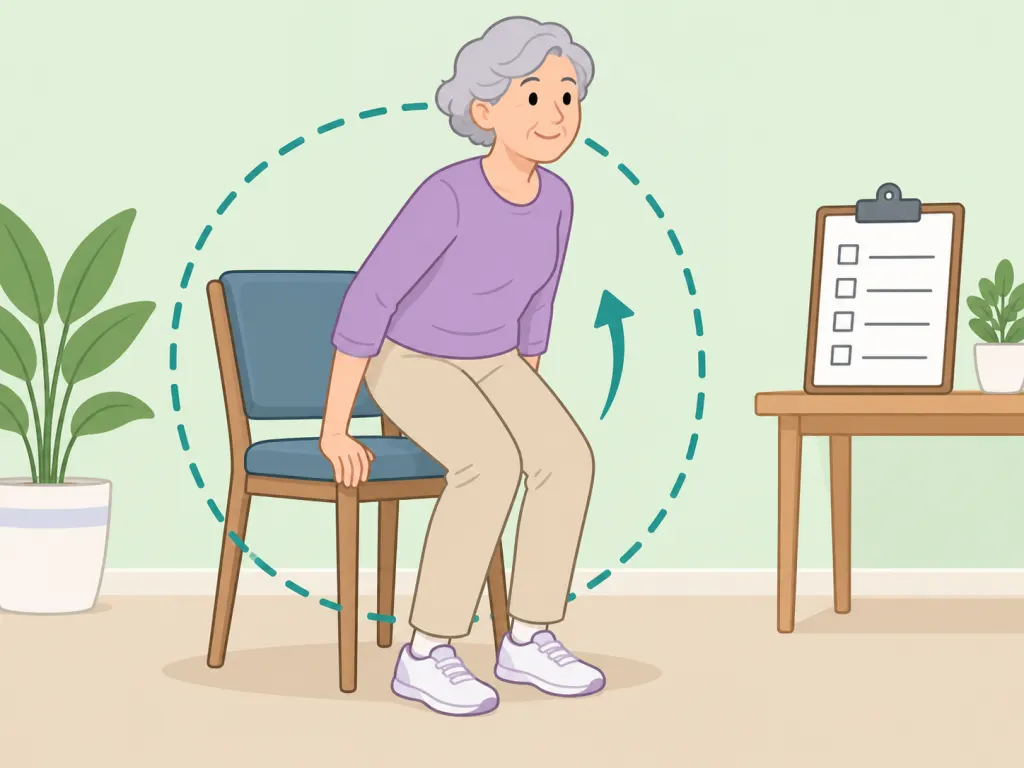
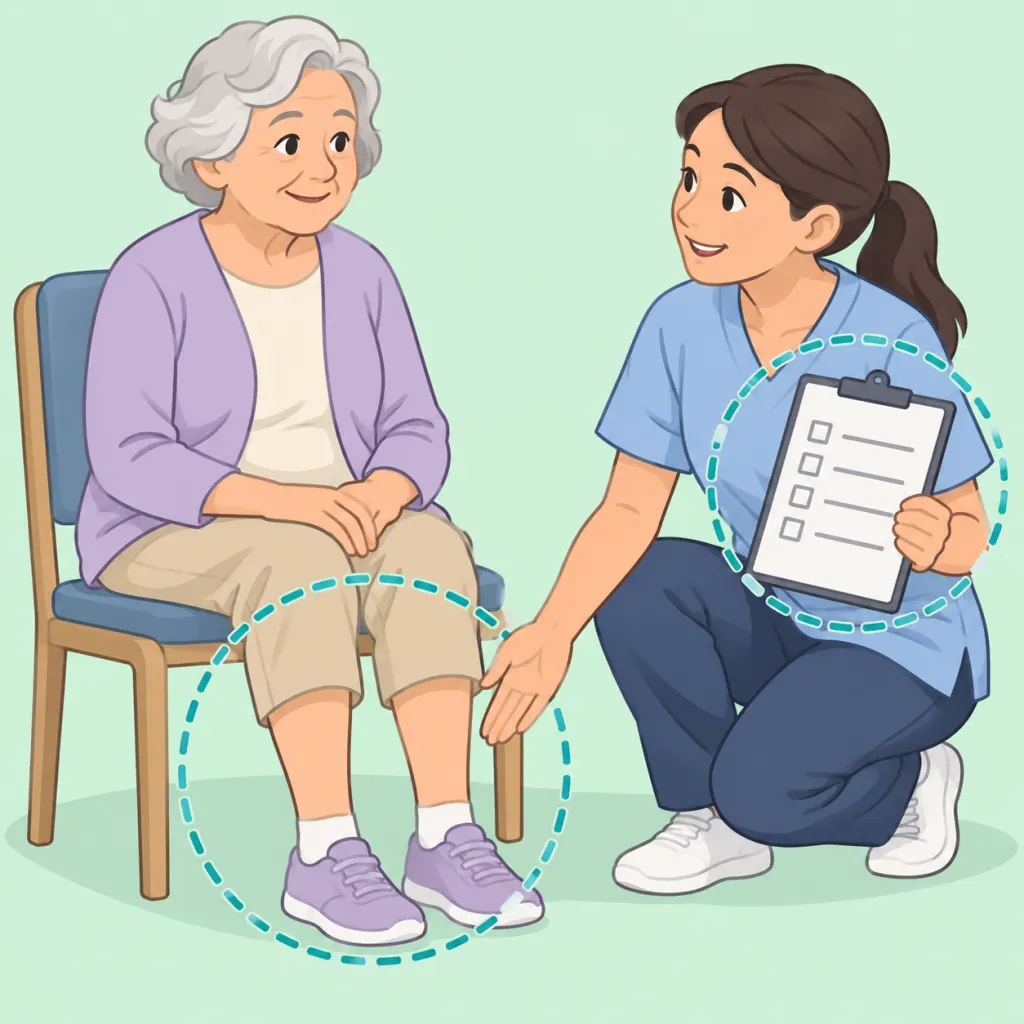
Notice whether daily tasks feel harder, such as climbing stairs, rising from a chair, walking at your usual pace, or carrying groceries. Cleveland Clinic describes sarcopenia as age-related loss of muscle mass, strength, and physical performance, so paying attention early helps you choose practical next steps. Write down what feels harder now so you can compare your progress over time.
Step 2: Do muscle-strengthening work at least twice a week
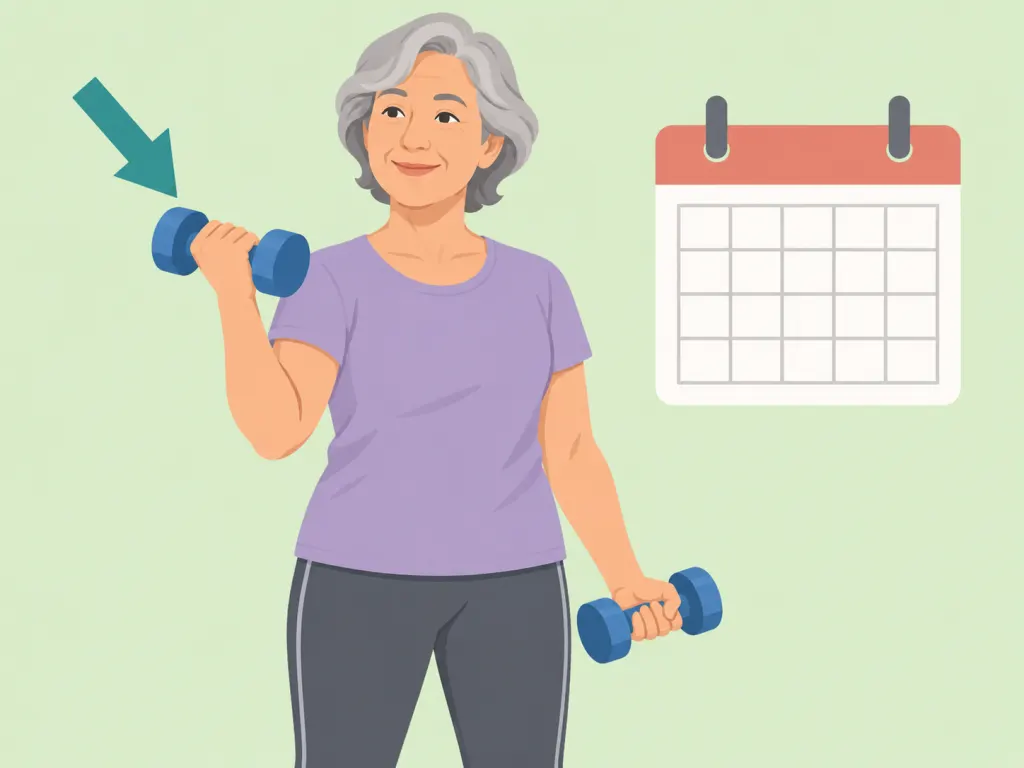
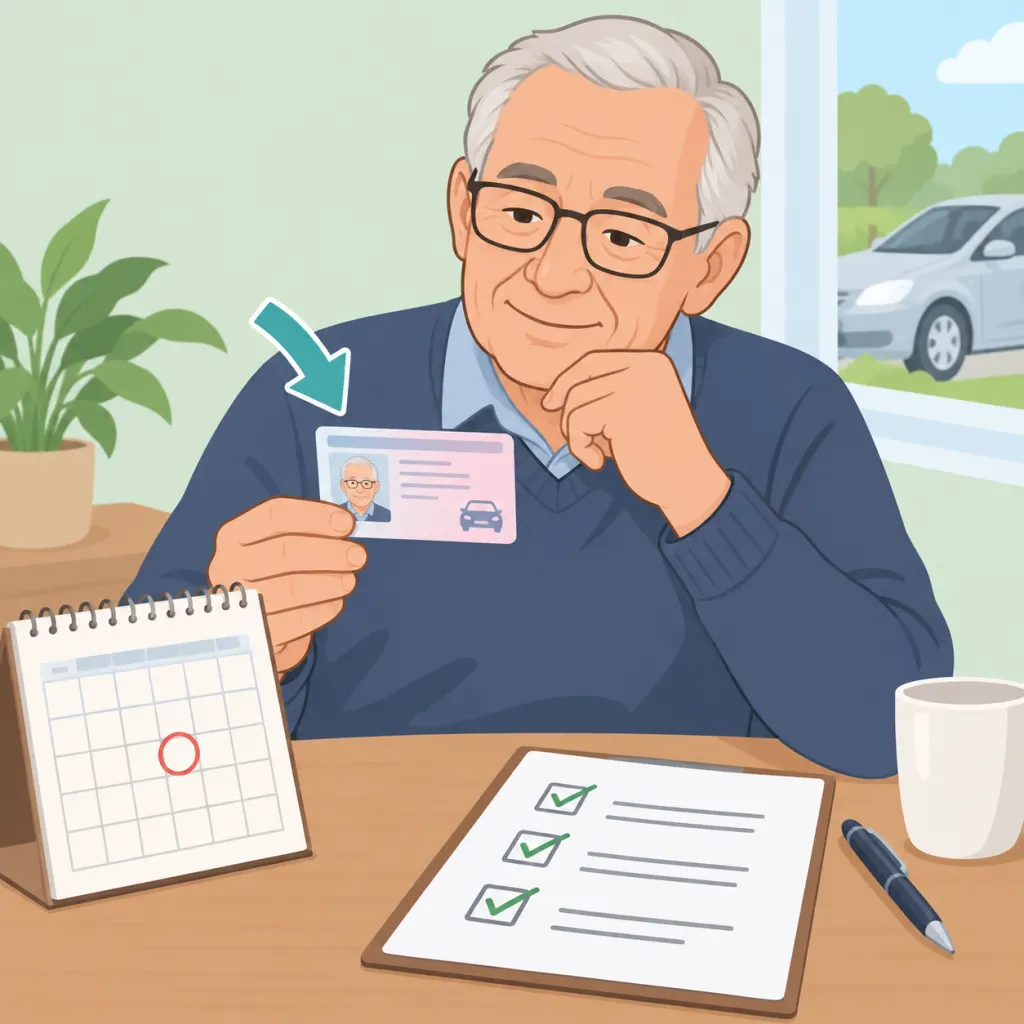
Plan two weekly sessions that make your muscles work harder than usual. CDC guidance for older adults recommends muscle-strengthening activity on at least 2 days each week, along with aerobic and balance activity. Use a calendar reminder so the habit has a fixed place in your week.
Step 3: Train all major muscle groups with controlled effort
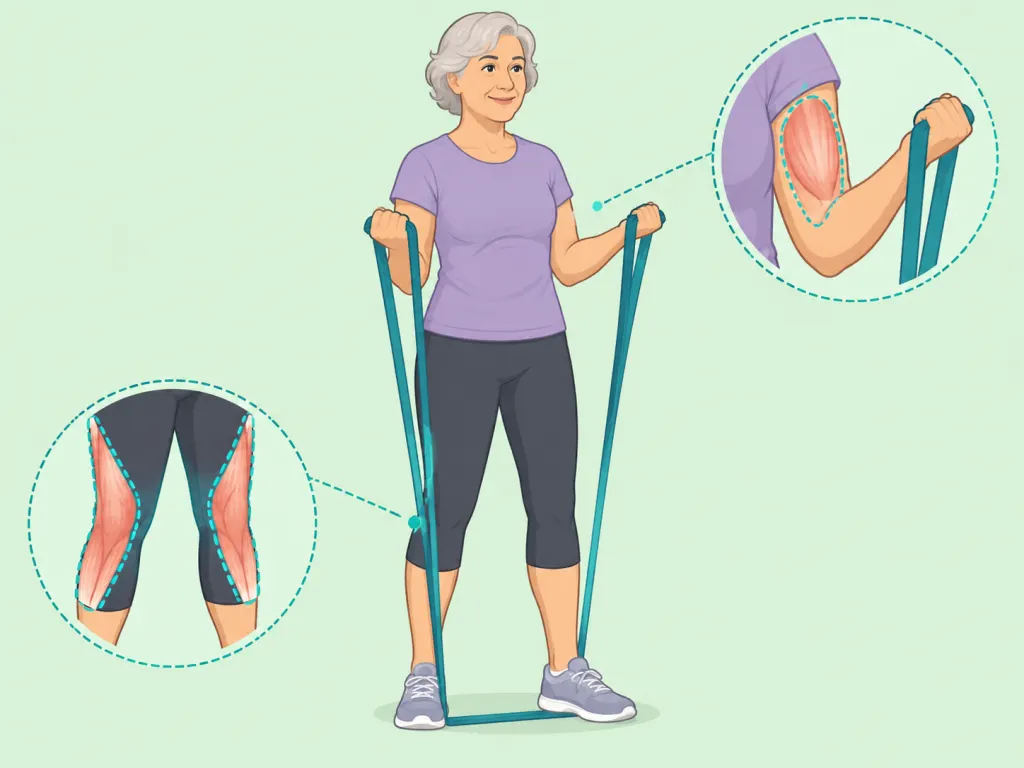
Include legs, hips, back, chest, abdomen, shoulders, and arms instead of repeating only one favorite exercise. The National Institute on Aging says resistance exercise can use bands, weights, machines, or body weight, and recommends building effort gradually. Choose a resistance level that feels challenging while still letting you move smoothly.
Step 4: Eat protein-rich foods with meals
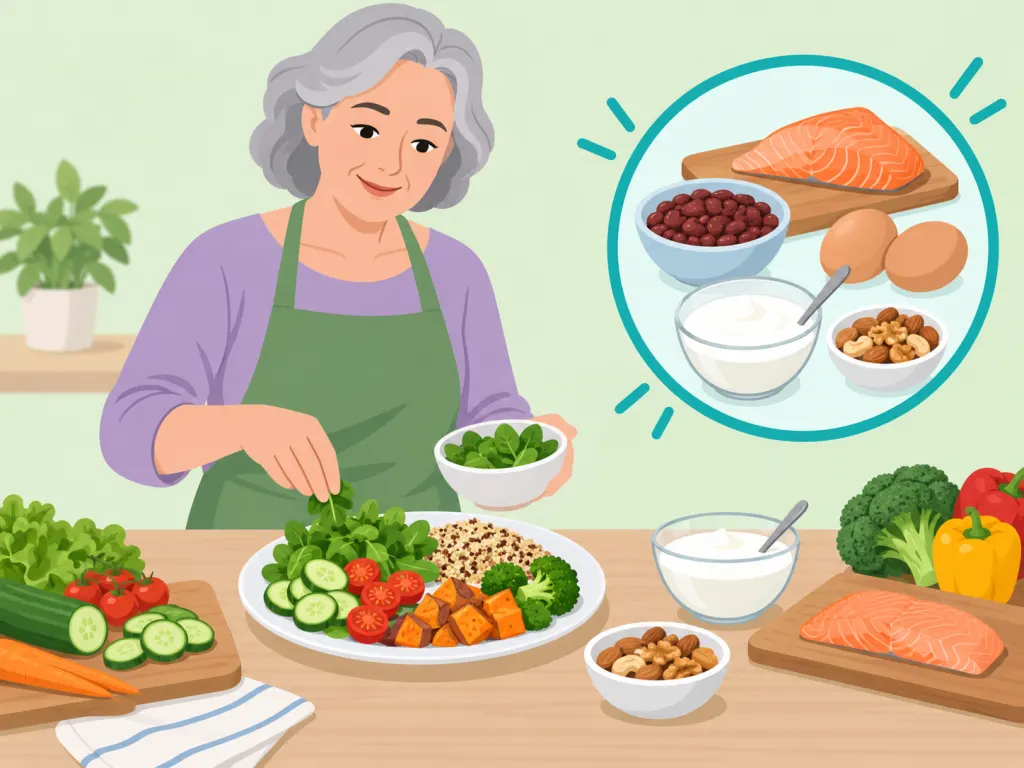
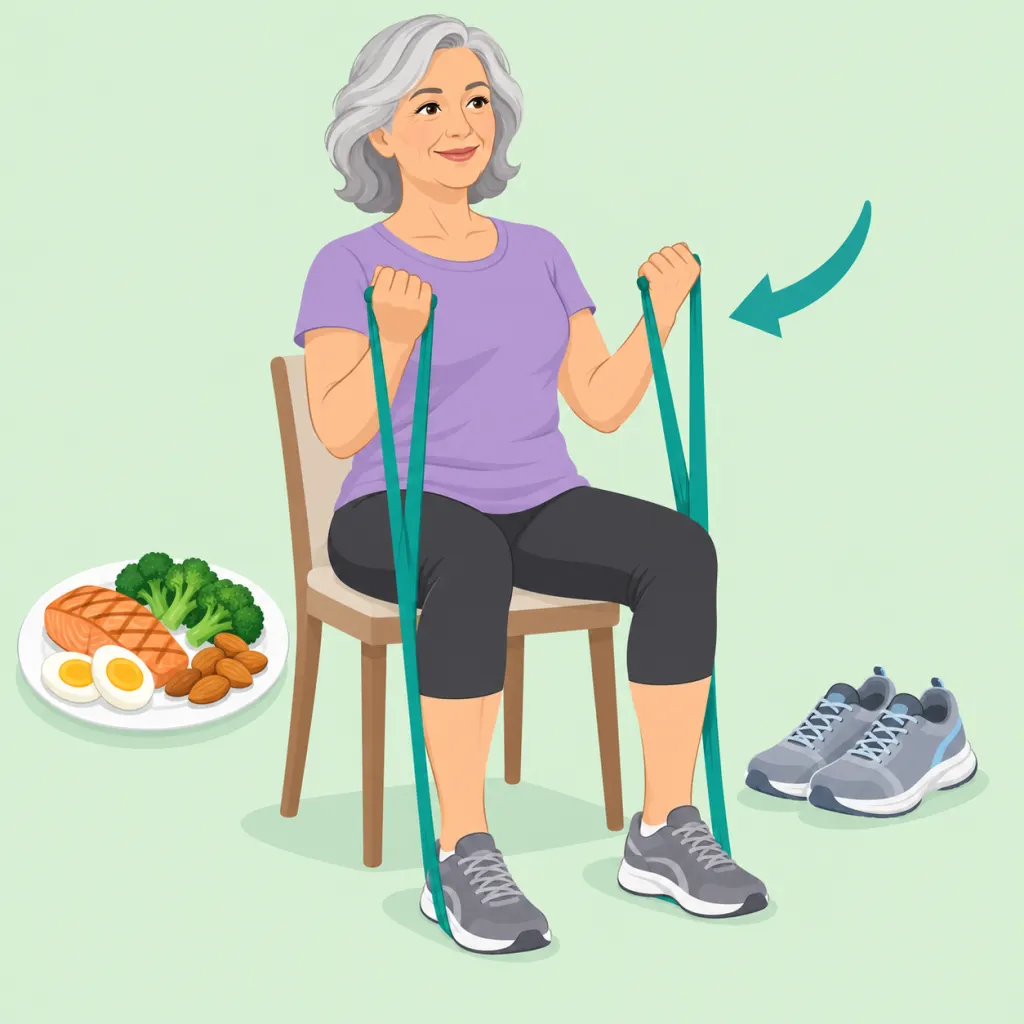
Put a protein food on your plate at breakfast, lunch, and dinner when you can. MedlinePlus notes that some older adults need more protein and lists options such as seafood, lean meats, poultry, eggs, beans, nuts, seeds, dairy, and fortified soy foods. If appetite, chewing, swallowing, or weight changes make eating difficult, ask a health professional for personal guidance.
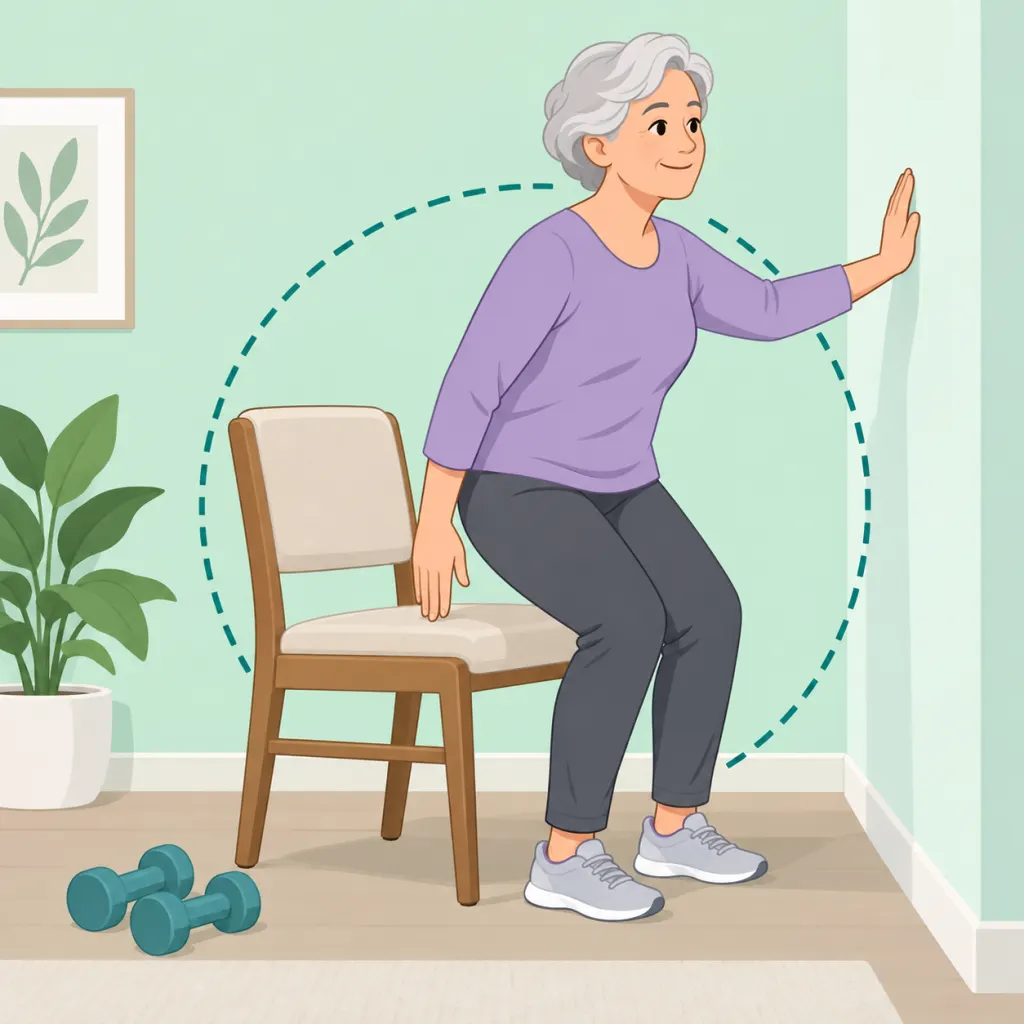
Use walking, swimming, cycling, dancing, yard work, or similar movement to stay active between strength sessions. The CDC explains that older adults need a mix of aerobic, muscle-strengthening, and balance activities, and balance practice can include heel-to-toe walking or standing from a sitting position. Keep a sturdy chair, wall, or railing nearby when trying balance movements.
Step 6: Increase slowly and leave recovery time
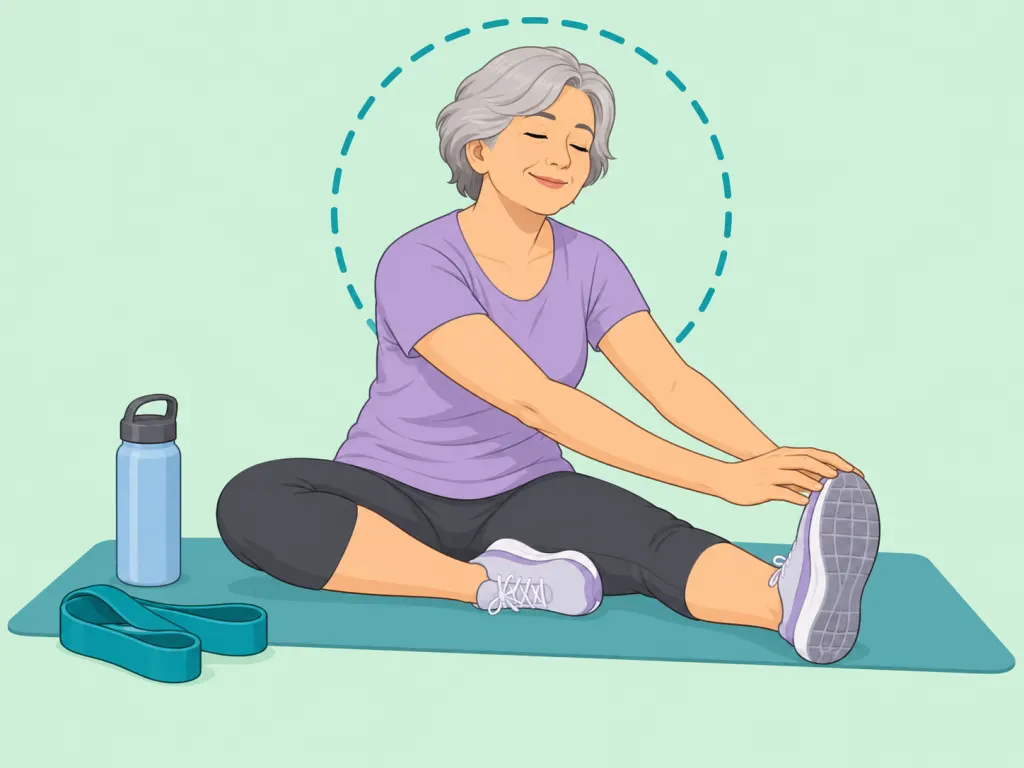
Start with movements you can do comfortably, then add a little resistance, an extra set, or a few more repetitions as the work becomes easier. MedlinePlus recommends building activity slowly and checking with a provider if exercise may not be safe for you. Avoid training the same sore muscle group hard on back-to-back days.
Step 7: See a doctor for new or worsening weakness
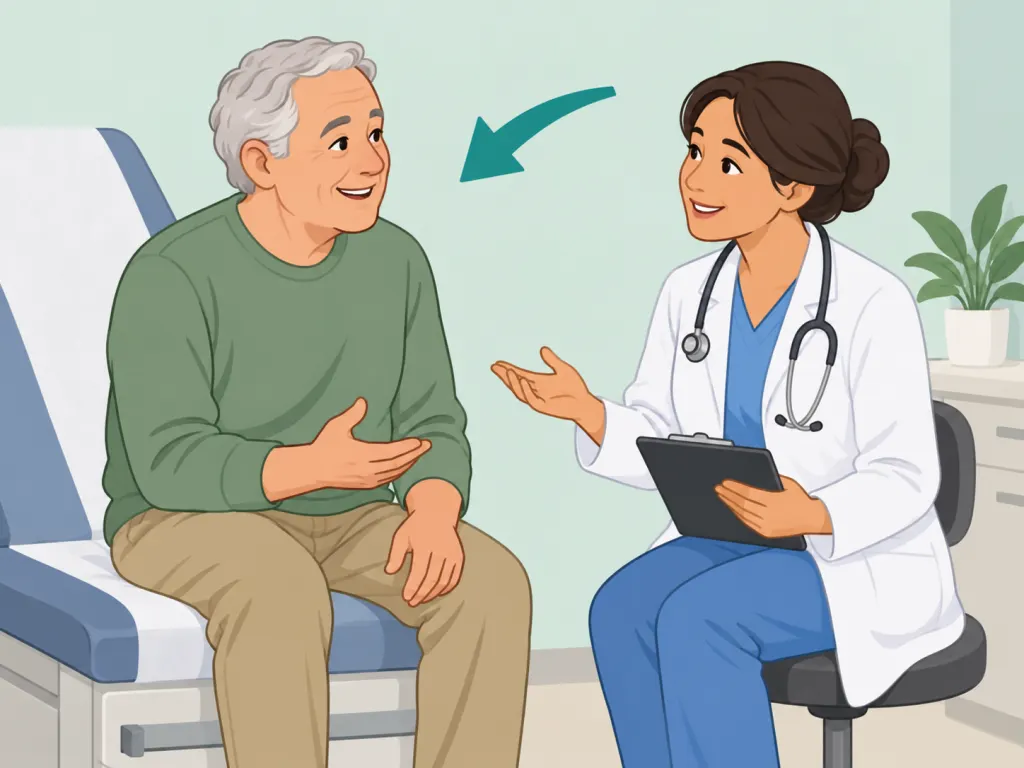
Make an appointment if muscle weakness, loss of stamina, slower walking, repeated falls, or trouble climbing stairs is new or getting worse. Cleveland Clinic lists these as signs that can be associated with sarcopenia or other health issues. Get urgent help if symptoms come with chest pressure, fainting, severe shortness of breath, or sudden one-sided weakness.
Wrap-Up
The bottom line: protecting muscle after 50 is less about one perfect workout and more about steady habits. Strength-train, eat protein-rich meals, stay active, practice balance, increase effort gradually, and ask for help when weakness or mobility changes are new or concerning.
Frequently Asked Questions
- → Can I start strength training after 50 if I have never done it before?
- Yes, many people start later in life. Begin with light resistance, body-weight movements, or bands, and choose movements you can do with control. If you have health concerns or feel unsure, ask a doctor or qualified fitness professional for guidance.
- → Do I need a gym to protect muscle after 50?
- No. Resistance bands, light dumbbells, chair rises, wall pushups, squats, carrying groceries, and gardening can all challenge muscles. The important part is doing muscle-strengthening work regularly and using good form.
- → How often should I do muscle-strengthening exercise?
- The CDC recommends muscle-strengthening activity at least 2 days a week for older adults, working the major muscle groups. Leave recovery time before training the same muscle group again.
- → What foods support muscle health after 50?
- Protein-rich foods such as seafood, lean meat, poultry, eggs, beans, nuts, seeds, dairy, and fortified soy foods can fit into a healthy pattern. A clinician or registered dietitian can help if you have appetite changes, chewing trouble, swallowing trouble, or special nutrition needs.
- → Is soreness after strength training normal?
- Mild soreness can happen when you use muscles in a new way, but sharp pain, joint pain, dizziness, chest pressure, or severe shortness of breath is a reason to stop and seek help. Build up slowly and keep movements controlled.
- → When should I ask a doctor about muscle loss?
- Ask for medical guidance if weakness is new, worsening, one-sided, linked with repeated falls, or making daily tasks harder. Also ask if you are losing weight unintentionally or struggling to eat enough.
References
This content was developed and refined using reliable sources.
- https://my.clevelandclinic.org/health/diseases/23167-sarcopenia
- https://www.cdc.gov/physical-activity-basics/guidelines/older-adults.html?linkId=883798815
- https://www.cdc.gov/physical-activity-basics/adding-older-adults/what-counts.html
- https://www.nia.nih.gov/health/exercise-and-physical-activity/three-types-exercise-can-improve-your-health-and-physical
- https://www.medlineplus.gov/exerciseandphysicalfitness.html
- https://www.medlineplus.gov/nutritionforolderadults.html