 Save
Family vacation homes can carry years of memories, so conflict over who gets to use them can feel personal fast. If an adult child starts treating your home as theirs, the goal is to protect your property while staying as calm and clear as possible. This guide walks you through confirming the facts, setting boundaries, and choosing next steps without turning one conversation into a family crisis.
Step 1: Confirm what you legally own
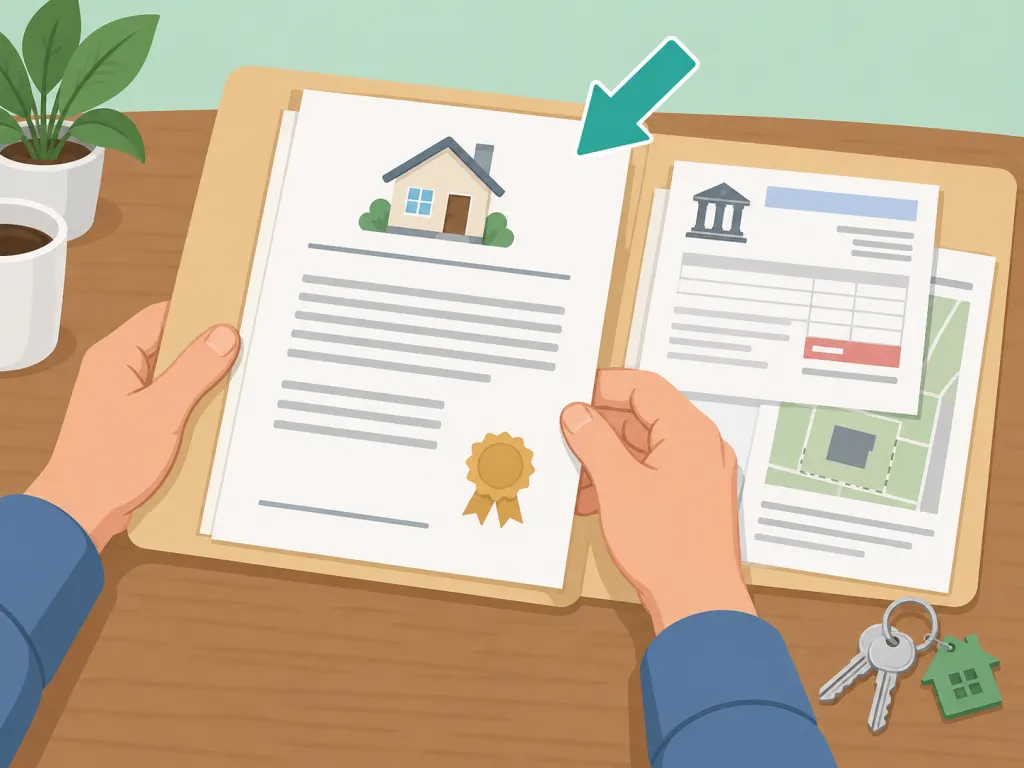
Before responding emotionally, gather the deed, mortgage records, tax bills, insurance paperwork, and any written agreements about the home. Many local governments let owners search or request property documents such as deeds and mortgage records, though the exact office varies by location. Knowing what is in writing helps you separate family expectations from ownership facts.
Step 2: Decide your boundary before you answer
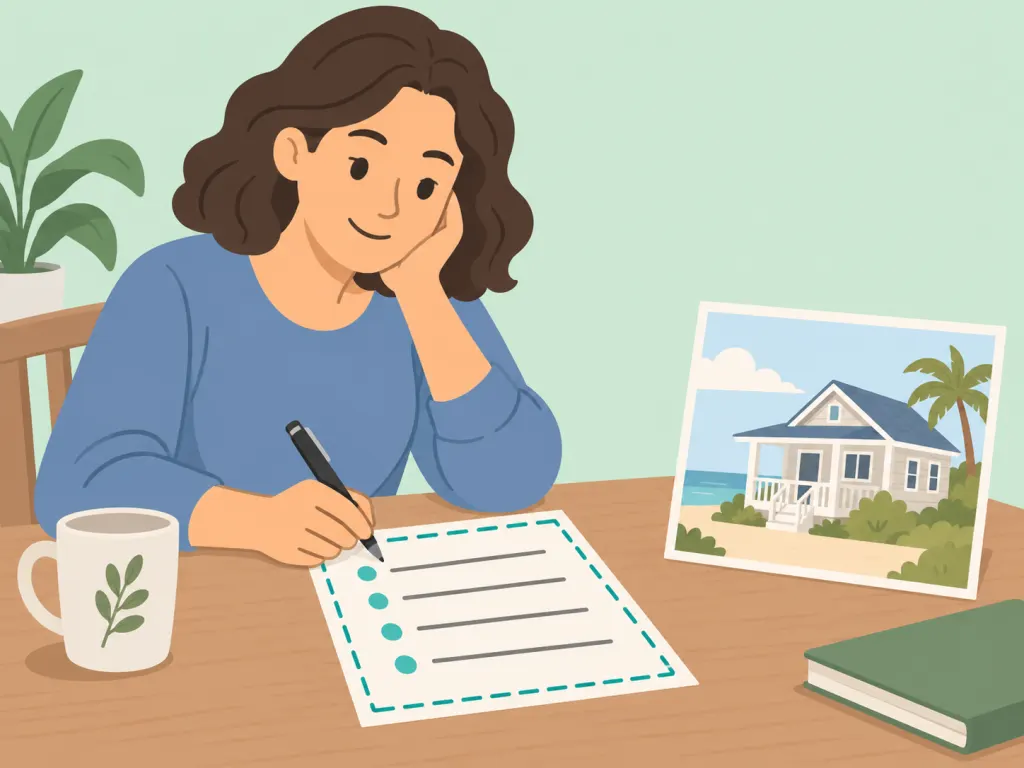
Write down exactly what you are comfortable allowing: occasional visits, no overnight stays, no guests without approval, shared expenses, or no access for now. Utah State University Extension explains that clear boundaries start with knowing what you are willing and unwilling to do, then communicating those needs clearly. A boundary is easier to hold when it is specific.
Step 3: Respond in writing with a simple rule
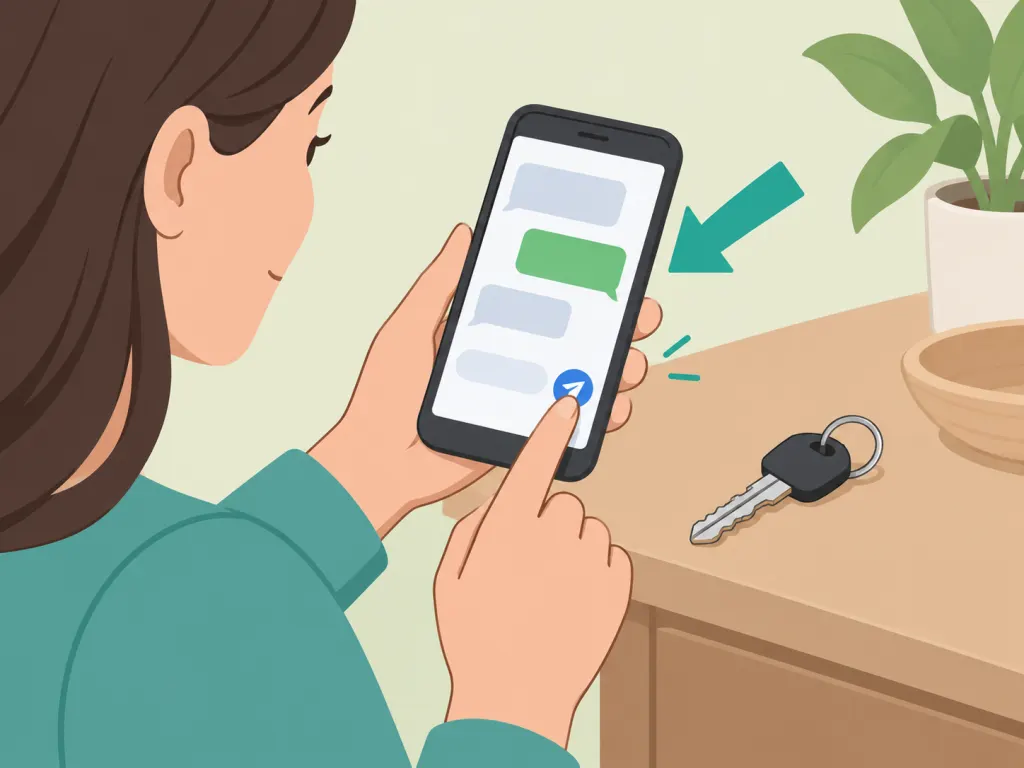
Send a calm message that states the rule without blame: “I own the lake house, and I am not making it available for an exclusive summer stay.” Avoid long explanations that invite argument. If access is allowed, include dates, guests, costs, keys, cleanup, and whether anyone may host or rent the property.
Step 4: Set a time for a calm conversation

If the relationship matters to you, offer one planned call or meeting instead of debating by text. Research-based Extension guidance on adult children recommends making the goal of a hard conversation understanding rather than winning, and using respect and validation even when you disagree during family disagreements. Choose a time when nobody is rushing or already angry.
Talk only about the vacation home and current access, not every old disappointment. The University of Minnesota Extension recommends being specific, staying focused, and checking that you understood the other person accurately when communicating under pressure. If the talk turns insulting or circular, pause and return to the written rule later.
Step 6: Protect access to the property
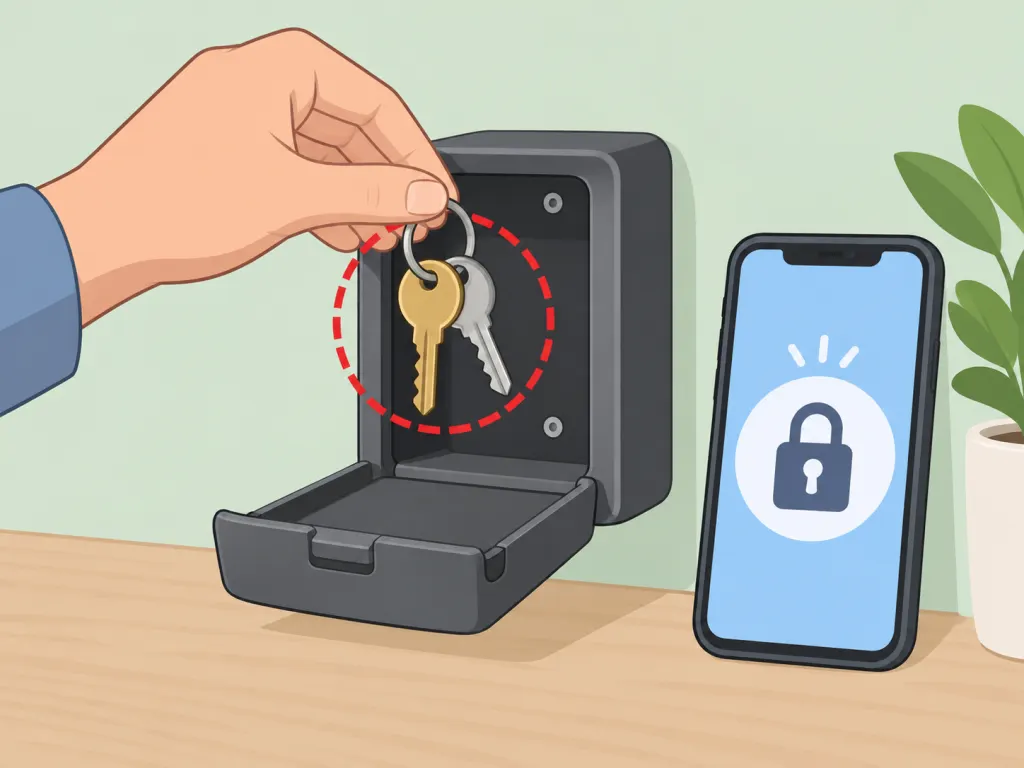
After you state the boundary, make sure the practical details match it. Retrieve spare keys, update alarm or smart-lock access, cancel unauthorized reservations, and tell any property manager or neighbor who is allowed to enter. Keep the tone factual: you are managing access to property you own, not staging a punishment.
Step 7: Get advice before changing deeds or selling
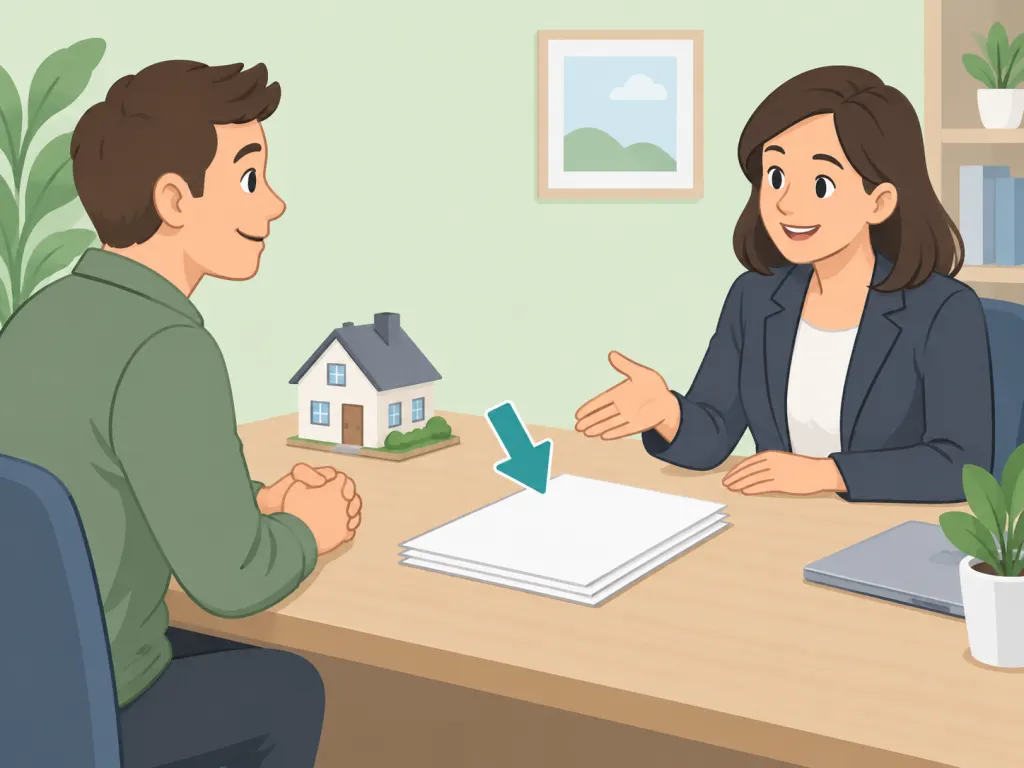
Do not add or remove names from a deed, transfer ownership, sign rental paperwork, or sell in a rush. Philadelphia’s Department of Records notes that changing property ownership requires a new deed to be prepared and recorded, and recommends a qualified professional for deed preparation when changing ownership. For a major decision, speak with a local real estate attorney and tax professional first.
Step 8: Update your long-term property plan
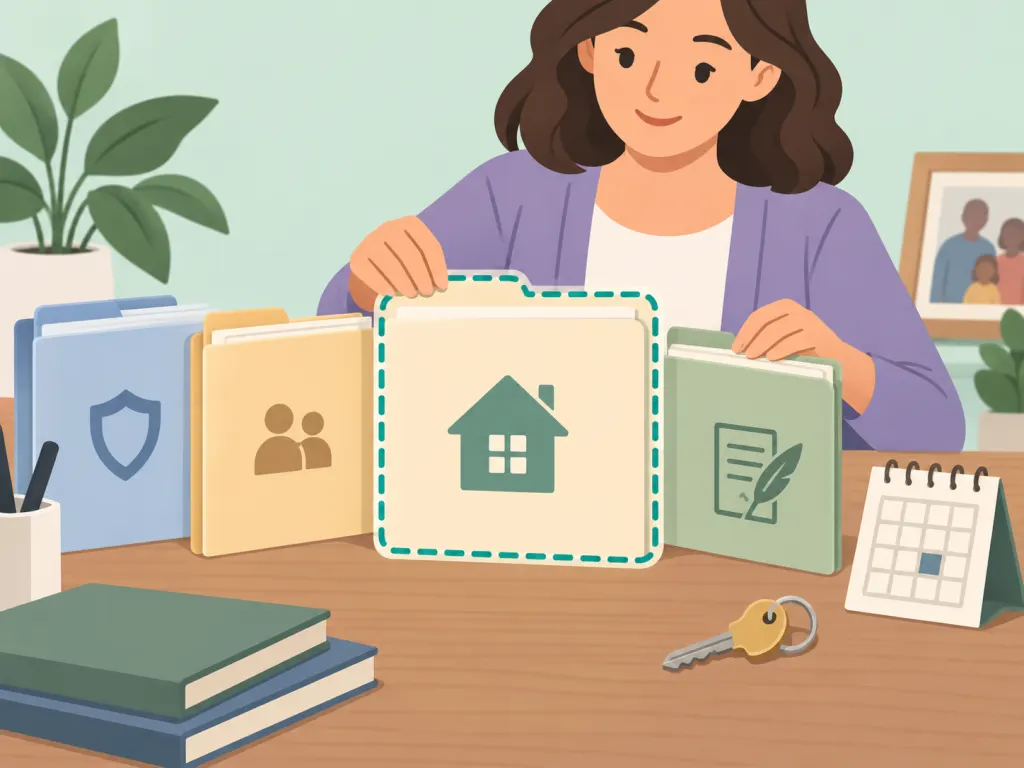
Once the immediate conflict is settled, decide what you want to happen to the home in the future. University of Maryland Extension notes that estate planning can include tools such as wills, titling, trusts, gifts, and other planning choices depending on a family’s goals for transferring property. Put your wishes in formal documents so family members are not left guessing later.
Wrap-Up
The bottom line: treat the vacation home as both a relationship issue and a property issue. Clear records, calm communication, written rules, and qualified local advice give you more options than reacting in anger.
Frequently Asked Questions
- → Can my adult child claim ownership because they use the vacation home often?
Frequent use is not the same as recorded ownership. Start by checking the deed or local property records, since city and county offices often keep searchable records for deeds and related ownership documents.
- → Should I sell the property if my child is acting entitled to it?
Selling may be one option, but it is a major financial and family decision. Before listing the home, speak with a local real estate attorney, tax professional, or financial advisor so you understand the consequences.
- → How do I say no without making the conflict worse?
Use a short, direct statement that names what you can allow and what you cannot. For example, say that you are happy to discuss planned visits, but the home is not available for an exclusive summer stay.
- → Should vacation home rules be in writing?
Yes. Written rules help prevent misunderstandings about dates, guests, cleaning, costs, pets, keys, and whether anyone may rent or invite others to the property.
- → What if my child already invited guests or made summer plans?
Stay factual and repeat the boundary. You can acknowledge the inconvenience while making clear that plans made without the owner’s permission do not create permission to use the home.
- → Do I need a lawyer for a family property disagreement?
You may not need one for a simple conversation, but get local legal advice before changing a deed, transferring ownership, signing a rental agreement, selling the home, or responding to threats about legal rights.
References
This content was developed and refined using reliable sources.
- https://portal.311.nyc.gov/article/?kanumber=KA-01665
- https://www.phila.gov/departments/department-of-records/frequently-asked-questions
- https://extension.usu.edu/relationships/faq/how_to_set_healthy_bounderies
- https://extension.usu.edu/relationships/faq/de-escalating-disagreements-with-adult-children
- https://extension.usu.edu/relationships/research/effective-communication-skills-resolving-conflicts
- https://extension.umn.edu/community/family-and-wellness/mental-health/stress-and-change/communicating-under-pressure
- https://www.extension.umd.edu/resource/estate-planning-farm-families-fs-972