 Save
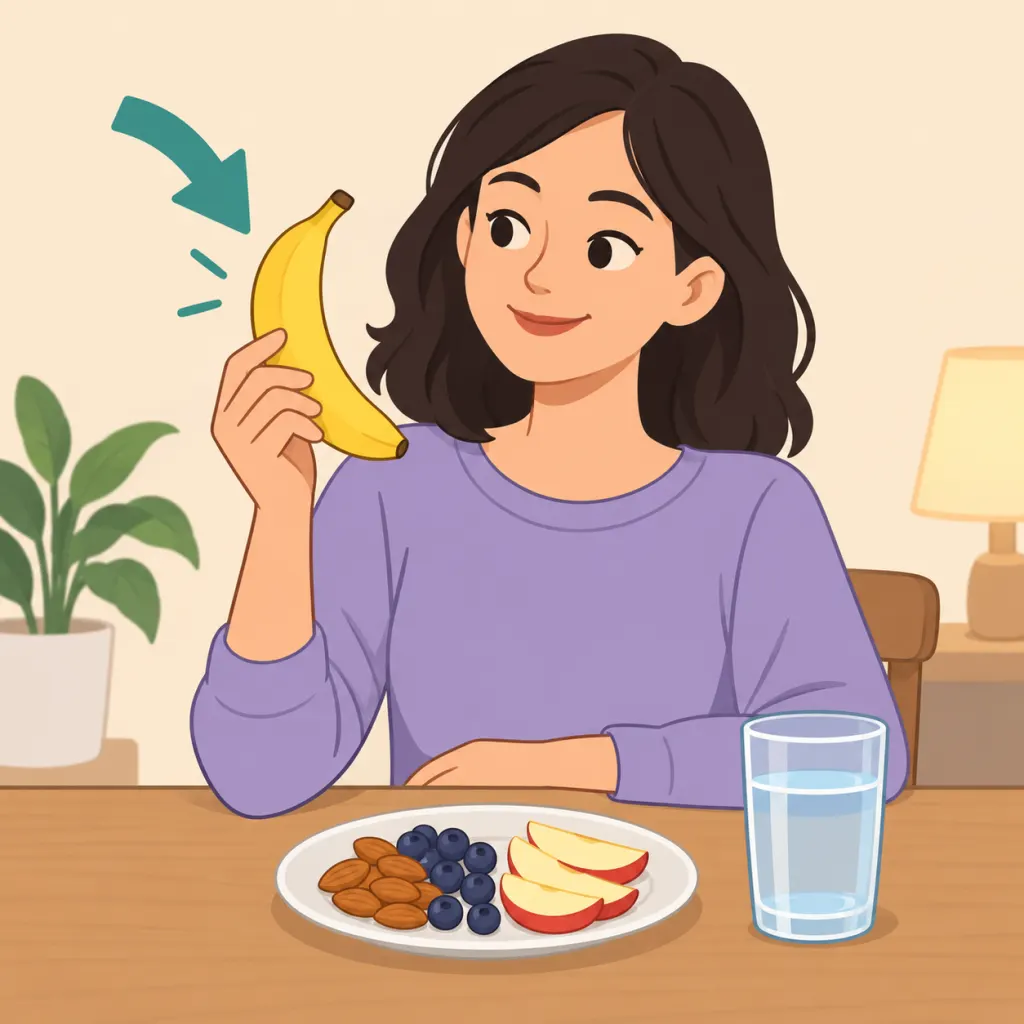
Eating a banana every night can fit into many everyday eating routines, but it does not cause one predictable result for everyone. The main effect is simple: you add a regular fruit snack with carbohydrates, fiber, and several minerals and vitamins. This guide explains what to expect, what to watch, and when to get personal guidance.
Step 1: Treat it as a simple fruit habit
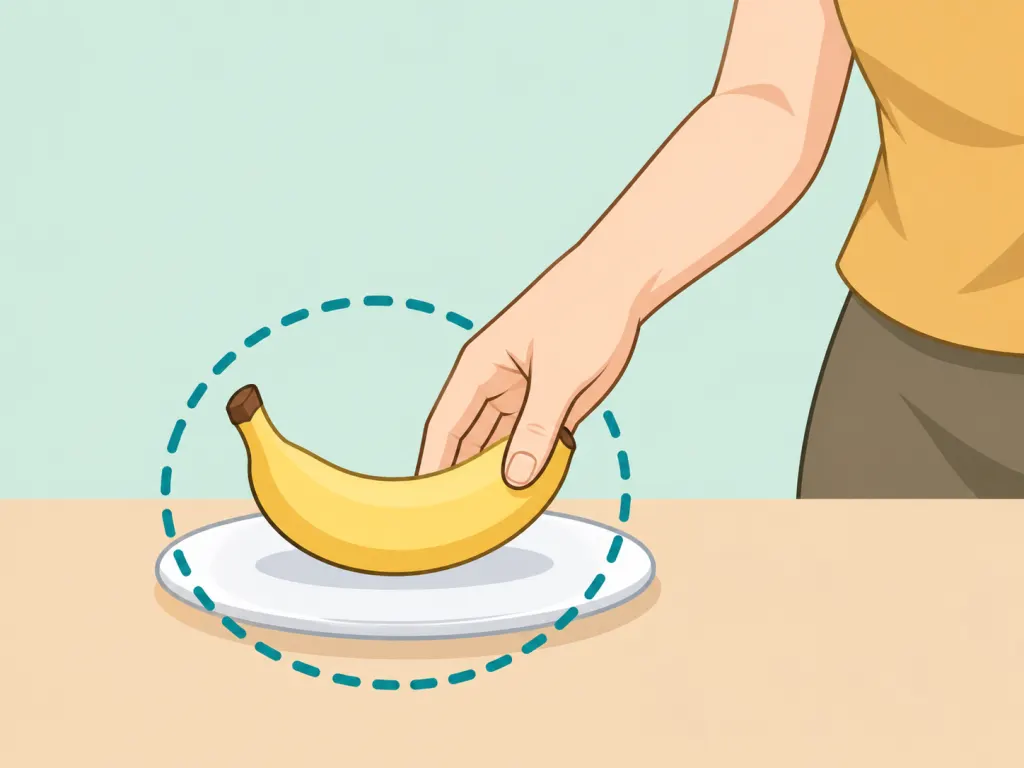
Eating a banana every night mainly means you are adding a regular fruit serving to your routine. Cleveland Clinic describes bananas as a source of carbohydrates, fiber, potassium, vitamin C, vitamin B6, and magnesium, so the effect comes from ordinary nutrition rather than the time of day.
Step 2: Start with one medium banana
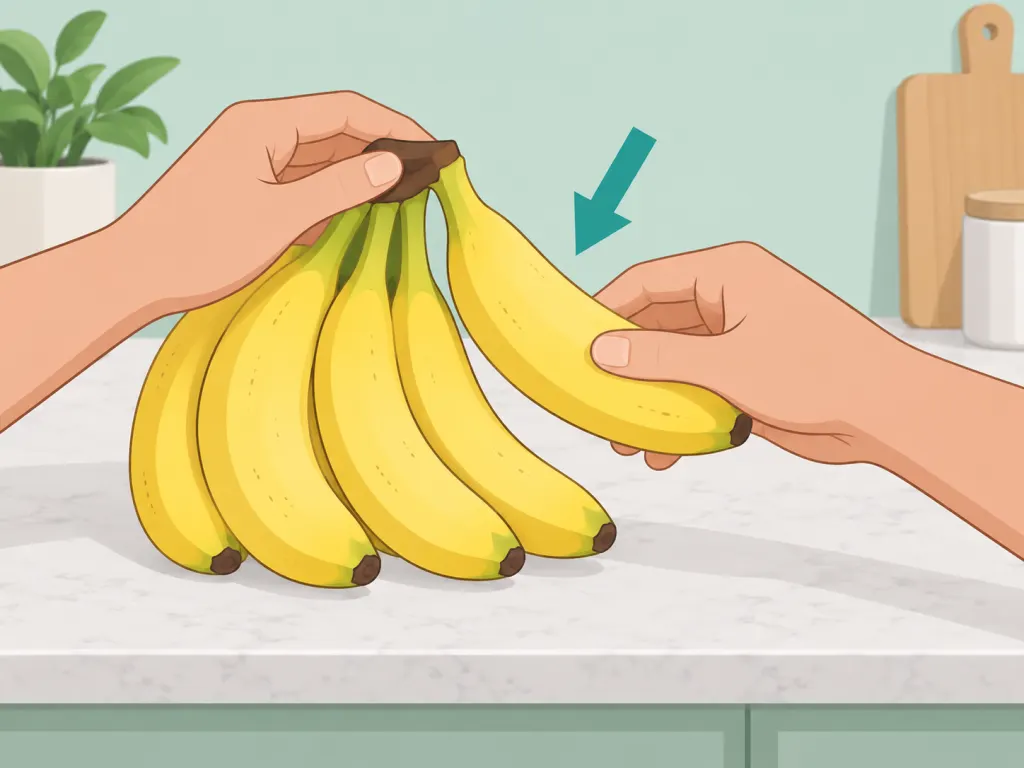
Use one medium banana as the basic portion unless your appetite calls for less. A medium ripe banana has about 105 calories, 28 grams of carbohydrates, 15 grams of natural sugar, 3 grams of fiber, and 422 milligrams of potassium, according to Cleveland Clinic's banana nutrition overview.
Step 3: Count the carbohydrates as evening energy
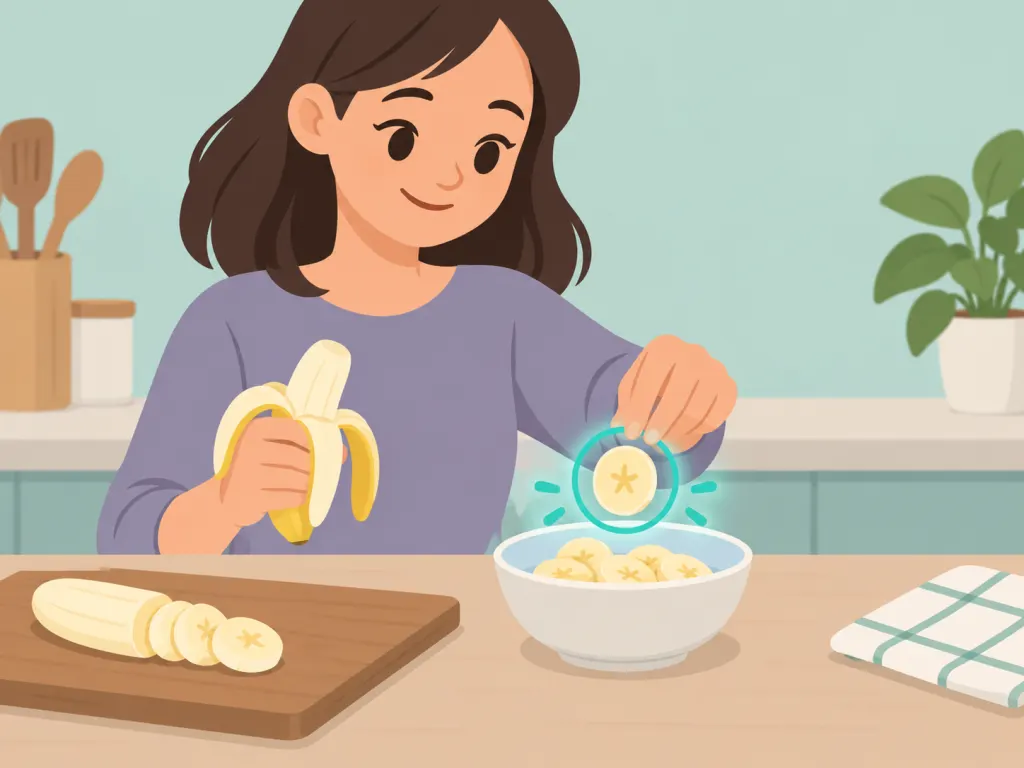
Bananas contain carbohydrates, which your body breaks down into glucose for energy. MedlinePlus explains that fruits are common carbohydrate foods, so a nighttime banana is still part of your daily energy intake.
Step 4: Use the fiber to understand fullness
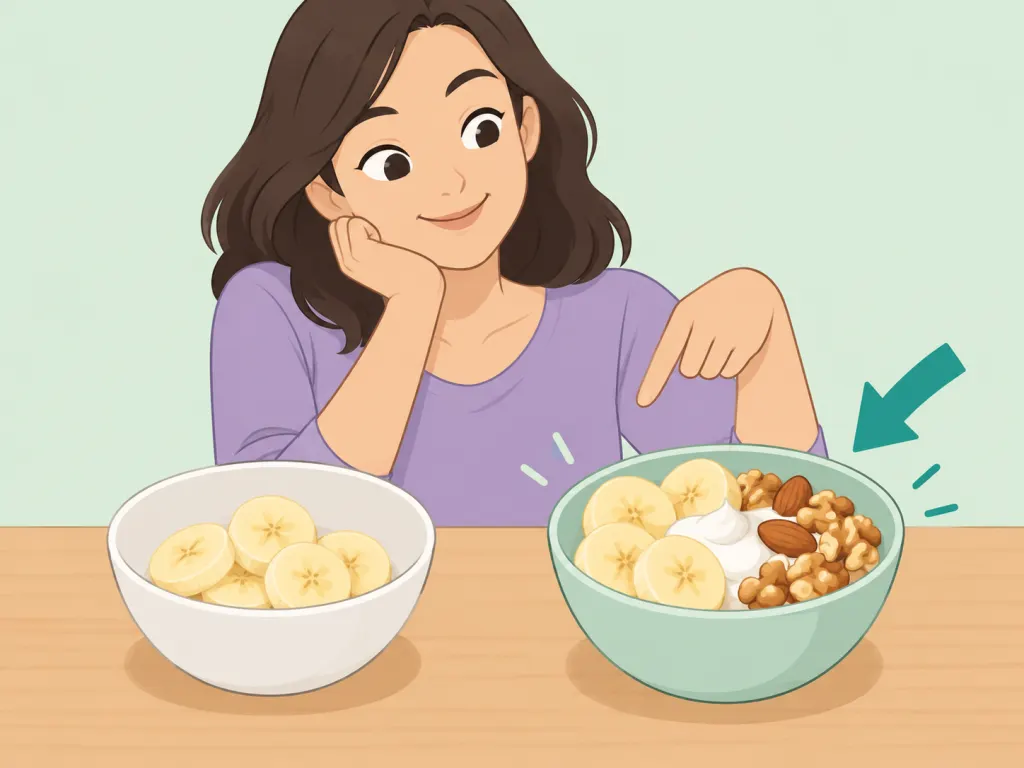
A banana may feel more satisfying than a candy-style snack because it brings fiber along with its natural sweetness. MedlinePlus notes that dietary fiber can help you feel full faster and is found in fruits, vegetables, nuts, seeds, beans, and whole grains.
Pay attention to comfort, regularity, and bloating during the first few nights. Fiber is useful, but MedlinePlus also notes that adding fiber quickly can lead to gas, bloating, or cramps, so the habit should feel comfortable in your overall eating pattern.
Step 6: Choose ripeness based on taste and texture
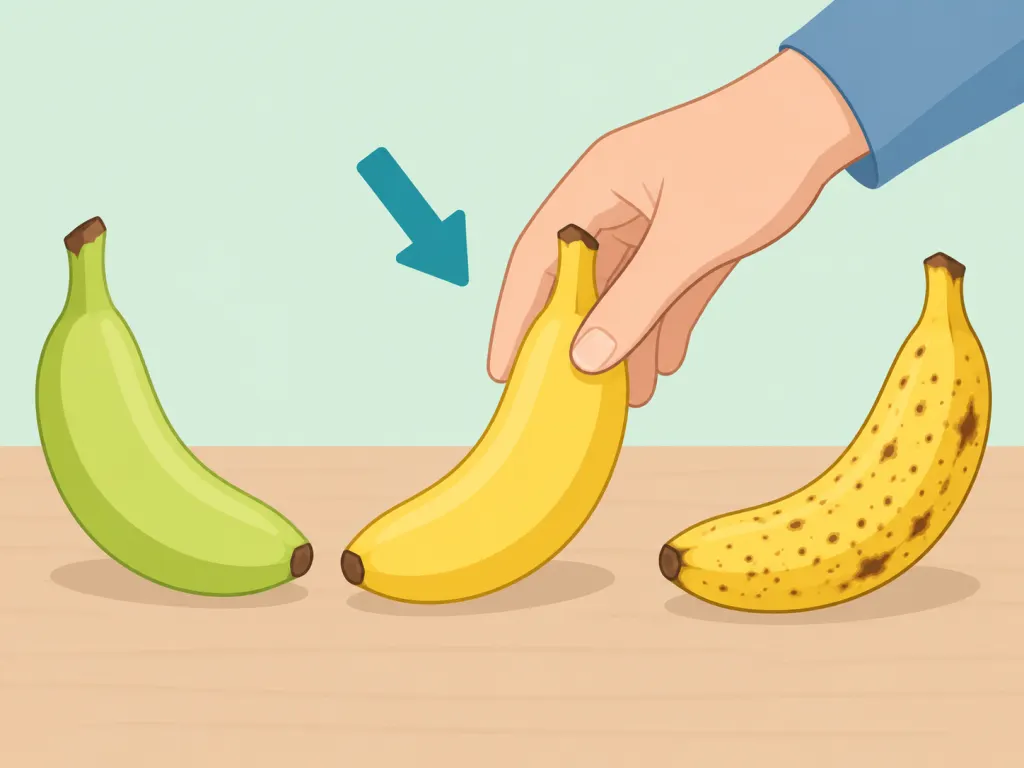
Pick a clear yellow banana for a sweeter, softer snack, or choose a slightly green banana when you want a firmer texture. Harvard's Nutrition Source explains that bananas change as they ripen, moving from firmer green fruit to yellow fruit with brown spots.
Step 7: Balance it with the rest of your day
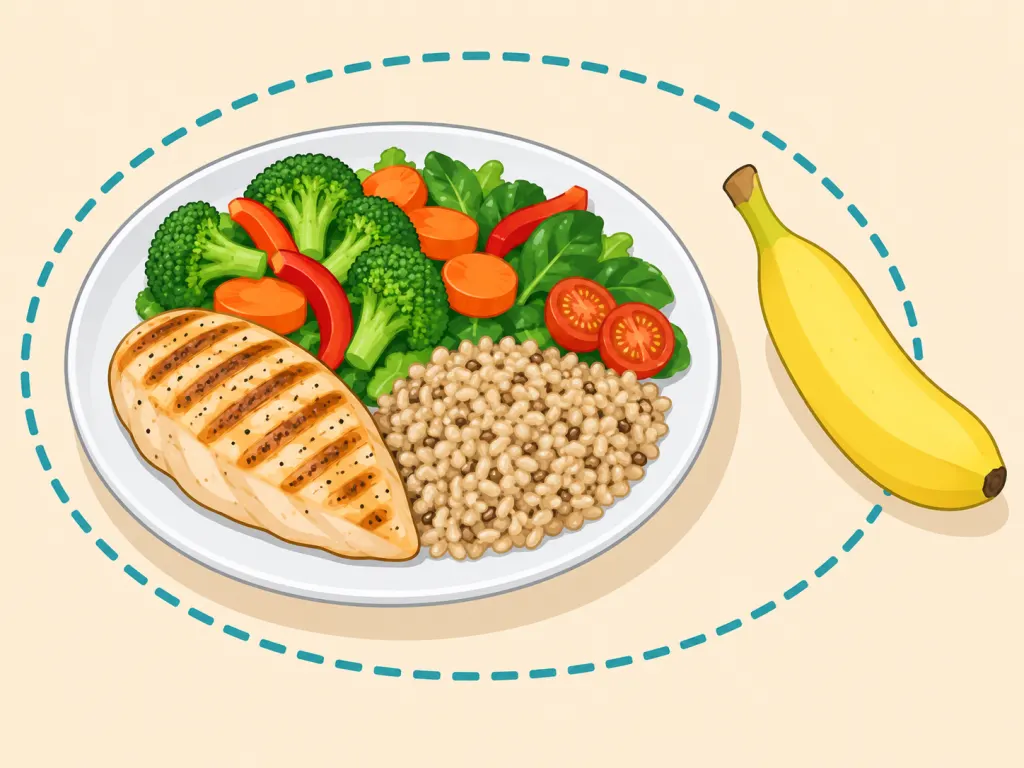
Do not expect one banana to supply everything your body needs from fruit or minerals. The NIH Office of Dietary Supplements explains that potassium comes from many foods, including fruits, vegetables, beans, dairy foods, meats, poultry, and fish, while magnesium is found in a variety of foods such as legumes, nuts, seeds, whole grains, and leafy greens.
Step 8: Ask for professional help with personal concerns

Bring personal nutrition questions to a doctor or qualified health professional, especially when a nightly food habit causes ongoing discomfort or conflicts with guidance you already follow. MedlinePlus also reminds readers that personal health questions belong with a health care provider.
Wrap-Up
The bottom line: a nightly banana is usually best understood as a convenient fruit serving, not a special nighttime shortcut. Keep the portion moderate, notice how your body feels, and fit it into a varied day of food.
Frequently Asked Questions
- → Will eating a banana every night change how I sleep?
- A banana is best treated as a fruit snack, not as a promised sleep change. Its known value comes from nutrients such as carbohydrates, fiber, potassium, vitamin B6, vitamin C, and magnesium.
- → Is one banana at night a large snack?
- One medium banana is a modest snack for many people, with about 105 calories and 28 grams of carbohydrates according to Cleveland Clinic. The right fit depends on the rest of your day.
- → Is a ripe banana different from a less ripe banana?
- Yes. As bananas ripen, they become softer and sweeter, while less ripe bananas taste firmer and starchier.
- → Should I pair a banana with another food?
- You can. Pairing banana slices with plain yogurt, nuts, or nut butter can make the snack feel more satisfying and turn it into a fuller evening bite.
- → Can eating a banana every night affect digestion?
- It can change digestive comfort for some people because bananas contain fiber. Notice how you feel over several nights and adjust the habit when it does not sit well.
- → Can a banana cover my daily potassium needs?
- No. A banana contributes potassium, but NIH guidance explains that potassium needs are met through a variety of foods across the day.
References
This content was developed and refined using reliable sources.
- https://health.clevelandclinic.org/benefits-of-bananas
- https://medlineplus.gov/carbohydrates.html
- https://medlineplus.gov/dietaryfiber.html
- https://ods.od.nih.gov/factsheets/Potassium-Consumer
- https://ods.od.nih.gov/factsheets/magnesium-consumer
- https://nutritionsource.hsph.harvard.edu/food-features/bananas