 Save
The best natural way to repel household insects is to make the home harder to enter, harder to feed in, and harder to breed in. That means sealing gaps, fixing moisture, storing food tightly, taking trash out regularly, cleaning hidden crumbs, repairing screens, and using traps or labeled repellents only where they make sense. The U.S. Environmental Protection Agency describes integrated pest management as a practical approach that combines prevention, monitoring, identification, and lower-risk controls instead of relying on one repeated spray https://www.epa.gov/safepestcontrol/integrated-pest-management-ipm-principles.
That answer can feel less exciting than a viral home spray, but it is much more useful. Mosquitoes, cockroaches, ants, flies, pantry insects, and drain flies are not all looking for the same thing. Some are drawn to standing water, some to grease under an appliance, some to fermenting fruit, and some to tiny gaps around pipes. A natural plan works when it matches the insect and removes the condition that invited it.
Think Like the Insect Before You Reach for a Spray
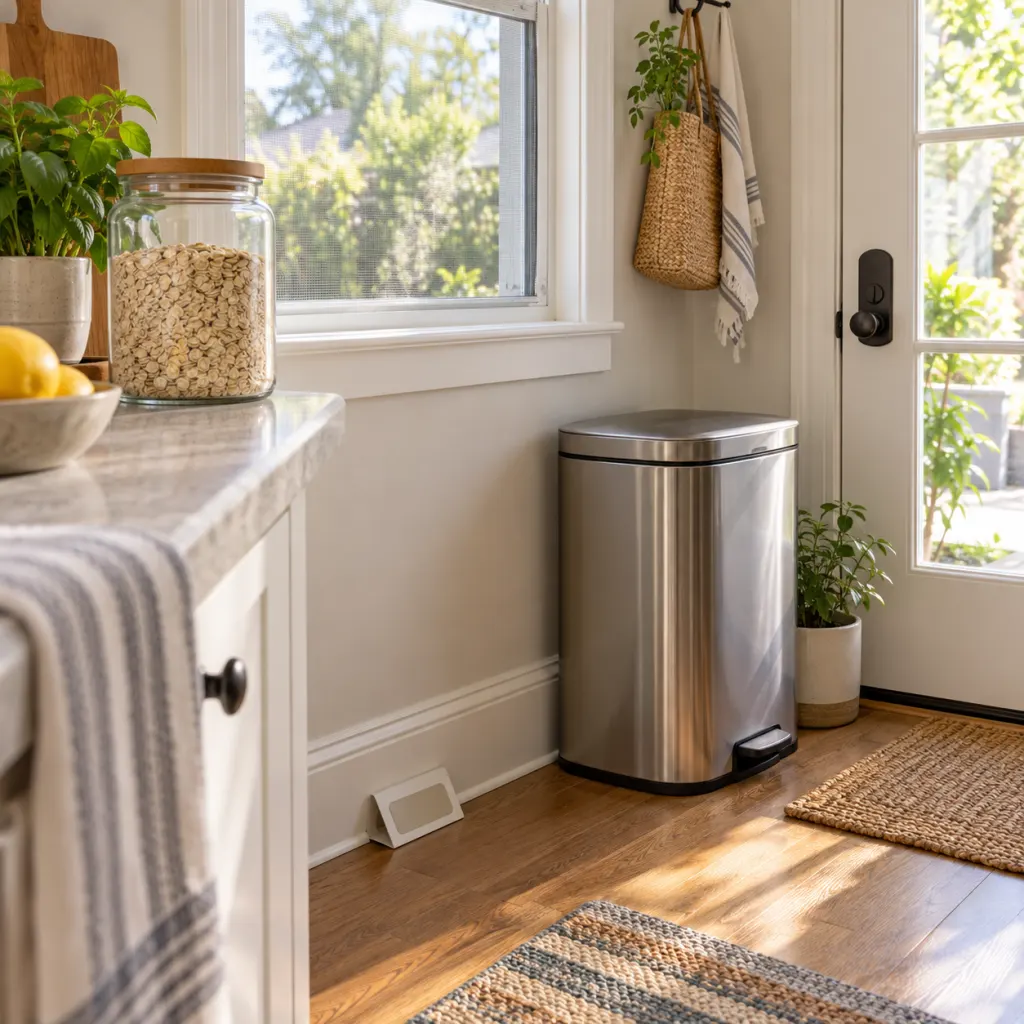
Most household insect problems start with one of four opportunities: food, water, shelter, or access. EPA consumer guidance puts prevention first, including sealed food storage, covered trash, leak repair, clutter reduction, and closing cracks or gaps around cabinets, baseboards, and pipes https://www.epa.gov/safepestcontrol/dos-and-donts-pest-control. Those actions sound ordinary because they are. Their strength is that they change the living conditions insects need, rather than only disturbing the insects you happen to see.
The first step is identification. A line of small ants at the window calls for a different response than tiny flies rising from a drain or cockroaches appearing at night near the dishwasher. EPA emphasizes monitoring and identifying pests so the right control decision is made https://www.epa.gov/safepestcontrol/integrated-pest-management-ipm-principles. In a home, monitoring can be simple: note the room, time of day, entry point, nearby food or moisture, and whether the insect is appearing singly or in a trail.
Start With a Ten-Minute Inspection
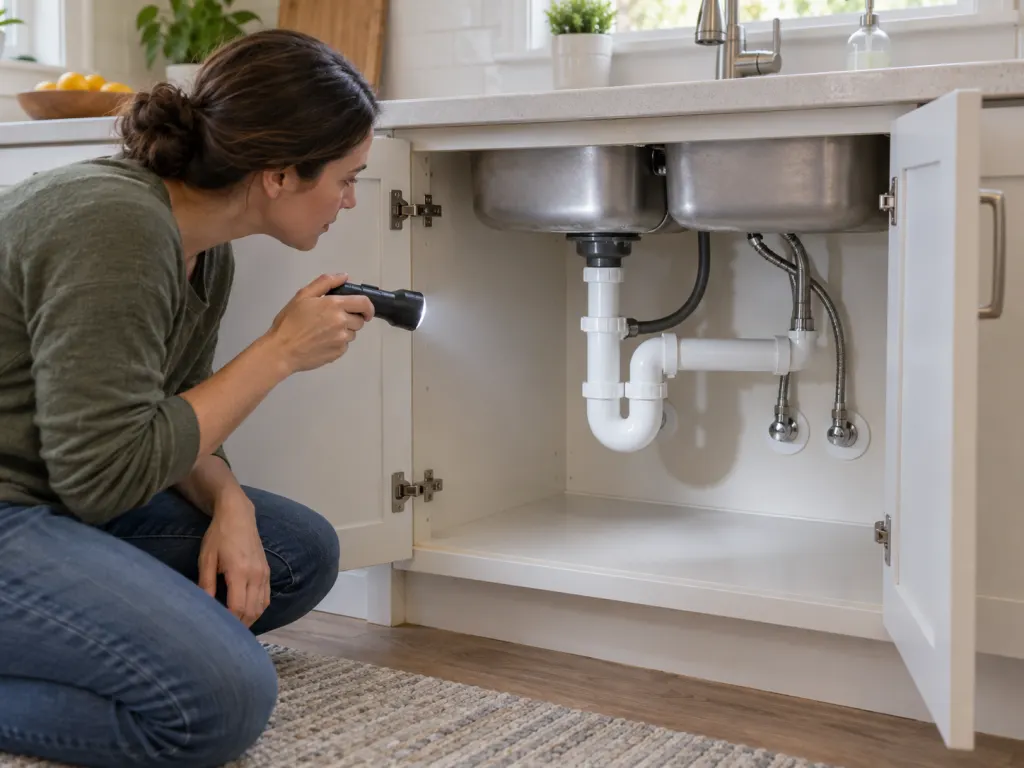
Walk through the kitchen, bathroom, laundry area, entry doors, garage threshold, and any place where pipes pass through a wall. Look for crumbs along toe-kicks, pet food bowls left overnight, damp sink cabinets, loose weather stripping, torn screens, fruit bowls, recycling bins, cardboard storage, and standing water in plant saucers. This is not about blaming housekeeping. Even clean homes can offer insects a tiny water source or an easy route indoors.
Use sticky monitoring traps where they are appropriate, especially for suspected cockroach activity. UC Integrated Pest Management notes that sticky traps help locate active areas and show where to focus control work for cockroaches https://ipm.ucanr.edu/home-and-landscape/cockroaches/. Place them along walls, under sinks, and behind appliances, then check them consistently. The point is not to decorate the house with traps forever; it is to learn where the problem is concentrated.
Remove the Food, Water, and Shelter Insects Are Using
A practical natural routine is built from small repeatable habits. Focus first on the places insects can feed without being noticed.
- Store pantry staples, pet food, cereal, flour, sugar, and snacks in tight glass, metal, or sturdy plastic containers.
- Wipe grease and crumbs from counters, stovetops, floor edges, and the spaces beside appliances.
- Take kitchen trash out regularly and use a lidded container for food scraps.
- Rinse recycling that held sweet drinks, sauces, or fermented liquids.
- Fix dripping faucets, sweating pipes, slow drains, and damp cabinet bottoms.
- Empty plant saucers, buckets, toys, and outdoor containers that collect water.
- Break down cardboard and reduce clutter in kitchens, bathrooms, basements, and storage areas.
Cockroaches are especially tied to access to food, moisture, and hiding places. UC IPM states that good sanitation and exclusion are important, and that pesticides alone will not solve cockroach problems https://ipm.ucanr.edu/home-and-landscape/cockroaches/. The same principle helps with ants and flies: if the food or breeding source remains, the insects have a reason to keep returning.
Seal, Screen, and Redirect Traffic
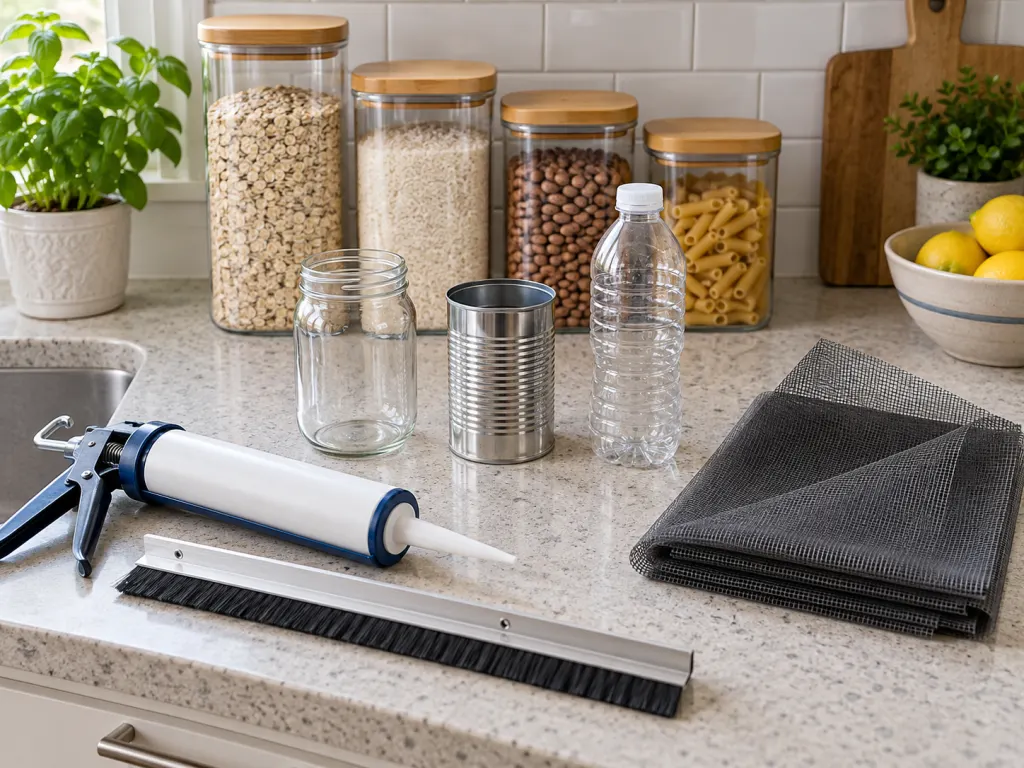
Exclusion is the quiet hero of insect control. Caulk gaps around baseboards, cabinets, pipe openings, window frames, and exterior trim where appropriate. Add door sweeps to exterior doors with visible daylight underneath. Repair torn screens, make sure window screens fit tightly, and keep garage doors closed when possible. These changes are especially helpful because they keep working after the weekend cleanup is over.
For mosquitoes, the Centers for Disease Control and Prevention recommends installing or repairing window and door screens, closing doors, and using air conditioning when possible to keep mosquitoes outside https://www.cdc.gov/mosquitoes/mosquito-control/mosquito-control-at-home.html. The same screen repair that reduces mosquitoes also cuts down on flies. For ants, University of Minnesota Extension recommends sealing the cracks ants are using and pruning shrubs or tree branches that touch the building, since vegetation can give ants an easy route indoors https://extension.umn.edu/garden-and-home/home-maintenance/household-insects/ants.
Use Airflow and Dryness Where They Help
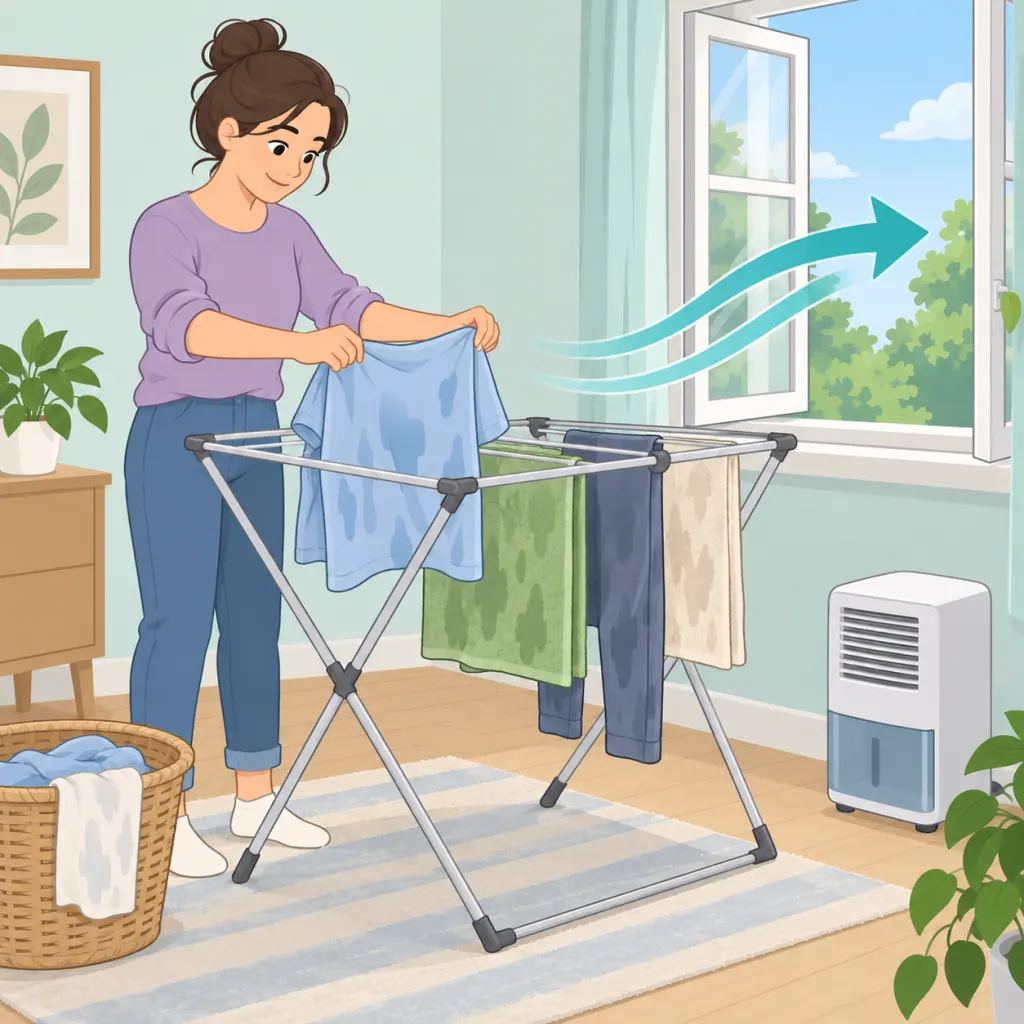
Many insects prefer still, damp, protected places. A fan on a porch or near a doorway will not solve a breeding source, but moving air can make certain fly gathering spots less attractive. UC IPM notes that strong air currents can disperse little house fly aggregations https://ipm.ucanr.edu/home-and-landscape/flies/. Indoors, the more important version of airflow is drying: ventilate damp bathrooms, repair exhaust fans, let sink cabinets dry after a leak, and avoid overwatering indoor plants.
Dryness is particularly useful around drains and potted plants. Tiny flies near sinks often point to organic buildup in drains or another wet source, while small insects near houseplants can reflect damp potting mix. Cleaning the source is more effective than repeatedly spraying the adults. When a drain is involved, clean the organic film and correct slow drainage instead of pouring random mixtures into plumbing.
Mosquitoes Need Water Management, Not Indoor Perfume
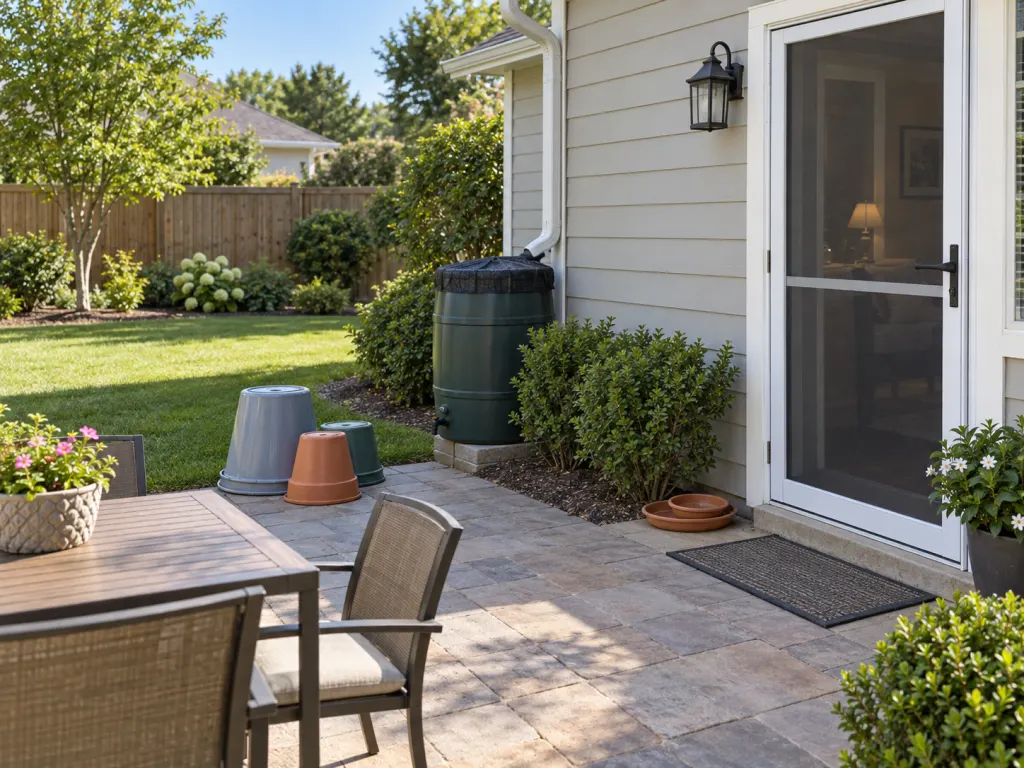
Mosquito control begins with water. CDC advises emptying, scrubbing, turning over, covering, or throwing out items that hold water once a week, including buckets, planters, toys, pools, birdbaths, flowerpot saucers, and trash containers https://www.cdc.gov/mosquitoes/mosquito-control/mosquito-control-at-home.html. That weekly rhythm matters because mosquitoes use water-holding places to develop. A fragrant bowl on the counter cannot compete with a neglected planter saucer or uncovered rain barrel outdoors.
If water cannot be emptied or covered, such as in certain rain barrels or ponds that are not used for drinking, CDC describes larvicides as an option when used according to label directions https://www.cdc.gov/mosquitoes/mosquito-control/larvicides.html. For ordinary household prevention, though, the simplest routine is still the most natural: dump what can be dumped, cover what can be covered, screen what must stay open, and repair screens that let adult mosquitoes indoors.
Cockroaches, Ants, and Flies Each Need a Different Target
For cockroaches, concentrate on night activity near warmth, water, and food. Clean behind the refrigerator and stove, vacuum cracks and crevices, store food tightly, fix leaks, reduce cardboard, and seal hiding routes. If activity continues, baits in protected locations are usually more logical than broad sprays; UC IPM explains that baits placed near hiding areas can be effective when food and water sources are removed, while sprays alone do not provide long-term control https://ipm.ucanr.edu/home-and-landscape/cockroaches/.
For ants, follow the trail. University of Minnesota Extension explains that identifying ants matters because species differ in nesting sites and food preferences, and that sanitation, sealing entry cracks, and wiping trails with a mild vinegar-and-water solution can temporarily disrupt activity https://extension.umn.edu/garden-and-home/home-maintenance/household-insects/ants. If ants are nesting outdoors and entering for food, indoor sprays may only scatter the visible workers. Removing the attractant and closing the route is usually the better first move.
For flies, look for the larval source. UC IPM explains that house flies and related nuisance flies develop in moist organic material and that eliminating larval habitat is the preferred management method https://ipm.ucanr.edu/home-and-landscape/flies/. That means managing garbage, pet waste, rotting fruit, compost, and door or window access. Sticky ribbons can catch a few indoor flies, but they do not fix a trash can, drain, or outdoor waste source that keeps producing more adults.
Where Plant-Based Repellents Fit
Plant-based does not automatically mean proven for every household insect. EPA lists oil of lemon eucalyptus, p-menthane-3,8-diol, citronella oil, catnip oil, and 2-undecanone among active ingredients found in some EPA-registered skin-applied repellents https://www.epa.gov/insect-repellents/skin-applied-repellent-ingredients. That is different from simmering herbs, misting essential oils around a room, or placing peels on a windowsill. Registration and label directions matter because they tell you what the product is meant to do and how it should be used.
EPA also explains that some unregistered repellent products, including certain products with citronella, cedar, geranium, peppermint, or soybean oil, have not been evaluated by EPA for effectiveness https://www.epa.gov/insect-repellents/regulation-skin-applied-repellents. CDC similarly says the effectiveness of non-EPA registered repellents, including some natural repellents, is unknown https://www.cdc.gov/mosquitoes/prevention/index.html. In practical terms, plant-based products may have a place, especially for personal mosquito exposure when they are registered and used as labeled, but they should not replace cleaning, exclusion, and water control inside the home.
A Room-by-Room Natural Routine
In the kitchen, clean under appliance edges, keep produce from overripening, rinse recycling, close cereal and flour in hard containers, and remove trash before odors build. In the bathroom, dry wet corners, clean drain buildup, fix slow drains, and seal pipe gaps under the sink. In bedrooms and living areas, reduce cardboard, check window screens, vacuum along baseboards, and avoid leaving cups, snack crumbs, or pet treats overnight. In the garage and entry area, install door sweeps, move trash away from the door, and keep stored items off damp floors where possible.
Outside, the natural plan is just as important. Move mulch and dense vegetation back from the foundation where practical. Keep branches from touching the house. Empty water-holding items weekly. Wash garbage cans when residue builds up. Keep compost managed so it heats and breaks down properly rather than sitting as a wet attractant. The goal is not a sterile home or yard; it is a home where insects do not find easy shelter next to easy food.
When Natural Steps Are Not Enough
Some situations deserve faster help. Repeated cockroach sightings, egg cases, many insects in traps, activity in multiple apartments, large ant colonies inside walls, or persistent flies from a hidden drain or structural void may be beyond routine home care. EPA advises asking pest control professionals to find and correct the source of the problem before applying pesticides, and to use baits or crack-and-crevice work when feasible https://www.epa.gov/safepestcontrol/dos-and-donts-pest-control. That question is fair: a good service should explain what pest was found, why it is present, and what nonchemical fixes matter.
If a pesticide is used, use the smallest targeted approach that fits the label and the pest. EPA pesticide safety guidance says nonchemical methods are the most effective way to reduce pesticide-related risks around the home and advises removing food and water sources and pest shelters first https://www.epa.gov/pesticide-incidents/pesticide-safety-tips. Products should stay in original containers, away from children and pets, and never be moved into food or drink containers.
Wrap-Up
Natural insect control works best when it is specific, steady, and honest about limits. Start by identifying the insect and the room where activity is happening. Remove what the insect is using: crumbs, grease, open food, pet bowls, wet drains, standing water, cardboard, clutter, or easy gaps. Then add exclusion with caulk, door sweeps, tight screens, and trimmed vegetation. Use monitoring traps to learn whether the problem is shrinking. If you choose a repellent, bait, larvicide, or other labeled product, match it to the pest and use it exactly as directed. The calmest plan is also the strongest one: make the house less inviting every day, and escalate only when the evidence says you need to.
Frequently Asked Questions
- → What is the most effective natural first step for household insects?
Remove the conditions insects are using. In most homes that means sealed food, covered trash, cleaned crumbs and grease, dry sink cabinets, emptied standing water, reduced clutter, repaired screens, and sealed gaps. This is more reliable than relying on scent alone.
- → Do essential oils keep insects out of a house?
They may change insect activity briefly, but evidence for many non-registered natural repellents is limited. Use essential oils cautiously, never around food or pets unless a label clearly allows it, and do not treat them as a substitute for cleaning, moisture control, screens, and sealing entry points.
- → How often should I check for mosquito breeding spots?
Check water-holding items once a week during mosquito season. Empty, scrub, turn over, cover, or discard containers such as plant saucers, buckets, toys, birdbaths, and trash containers. If water cannot be emptied and is not for drinking, a labeled larvicide may be appropriate.
- → Why do ants come back after I wipe them away?
Ants often follow trails from a nest to food or water. Wiping the trail can temporarily disrupt activity, but ants may return if the food remains or the entry point stays open. Follow the trail, remove the attractant, seal the gap if practical, and consider properly placed bait if the colony keeps feeding indoors.
- → When should I call a pest control professional?
Call for repeated cockroach sightings, activity in several rooms or apartments, hidden fly sources you cannot reach, large indoor ant activity, or a problem that continues after sanitation and exclusion. Ask the professional to identify the pest, explain the source, and use targeted methods where feasible.
References
This content was developed and refined using reliable sources.
- https://www.epa.gov/safepestcontrol/integrated-pest-management-ipm-principles
- https://www.epa.gov/safepestcontrol/dos-and-donts-pest-control
- https://www.cdc.gov/mosquitoes/mosquito-control/mosquito-control-at-home.html
- https://www.cdc.gov/mosquitoes/mosquito-control/larvicides.html
- https://www.cdc.gov/mosquitoes/prevention/index.html
- https://ipm.ucanr.edu/home-and-landscape/cockroaches
- https://extension.umn.edu/garden-and-home/home-maintenance/household-insects/ants
- https://ipm.ucanr.edu/home-and-landscape/flies
- https://www.epa.gov/insect-repellents/skin-applied-repellent-ingredients
- https://www.epa.gov/insect-repellents/regulation-skin-applied-repellents
- https://www.epa.gov/insect-repellents/using-insect-repellents-safely-and-effectively
- https://www.epa.gov/pesticide-incidents/pesticide-safety-tips