 Save
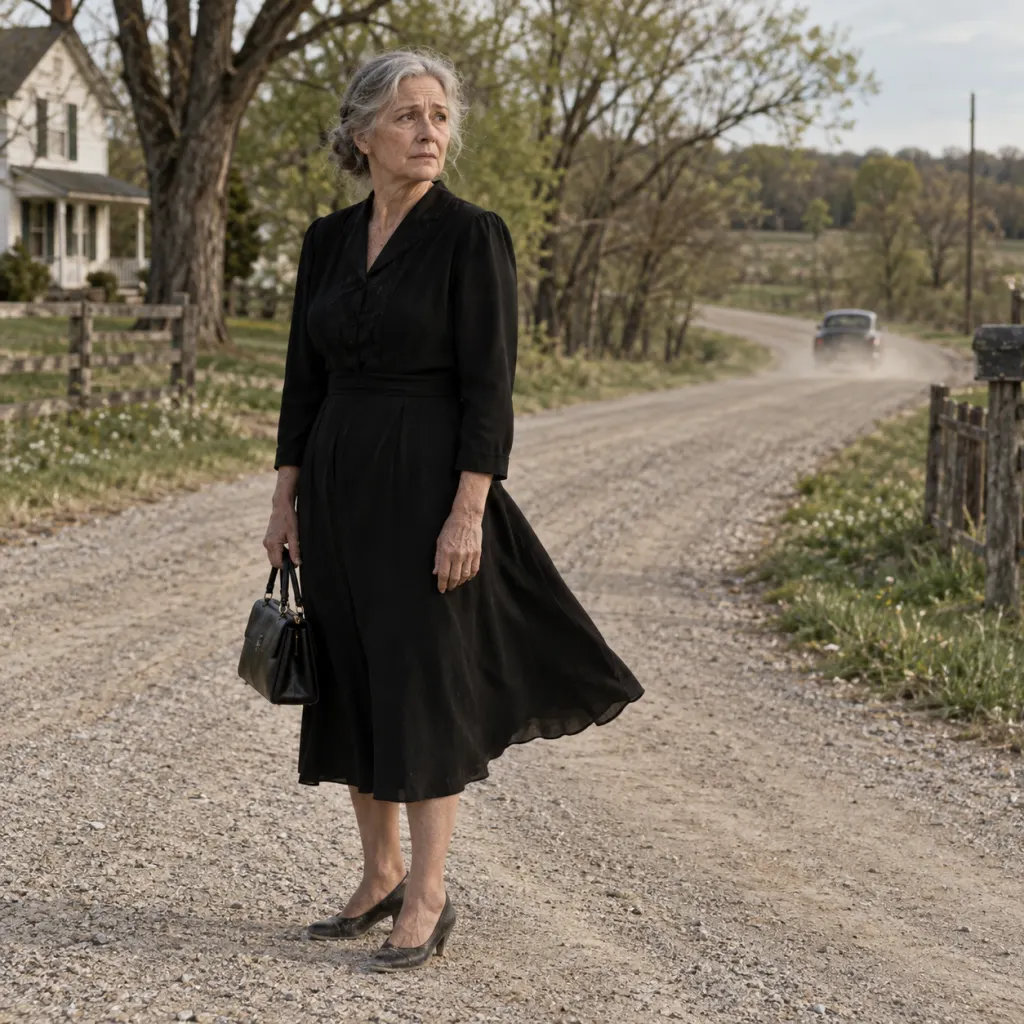
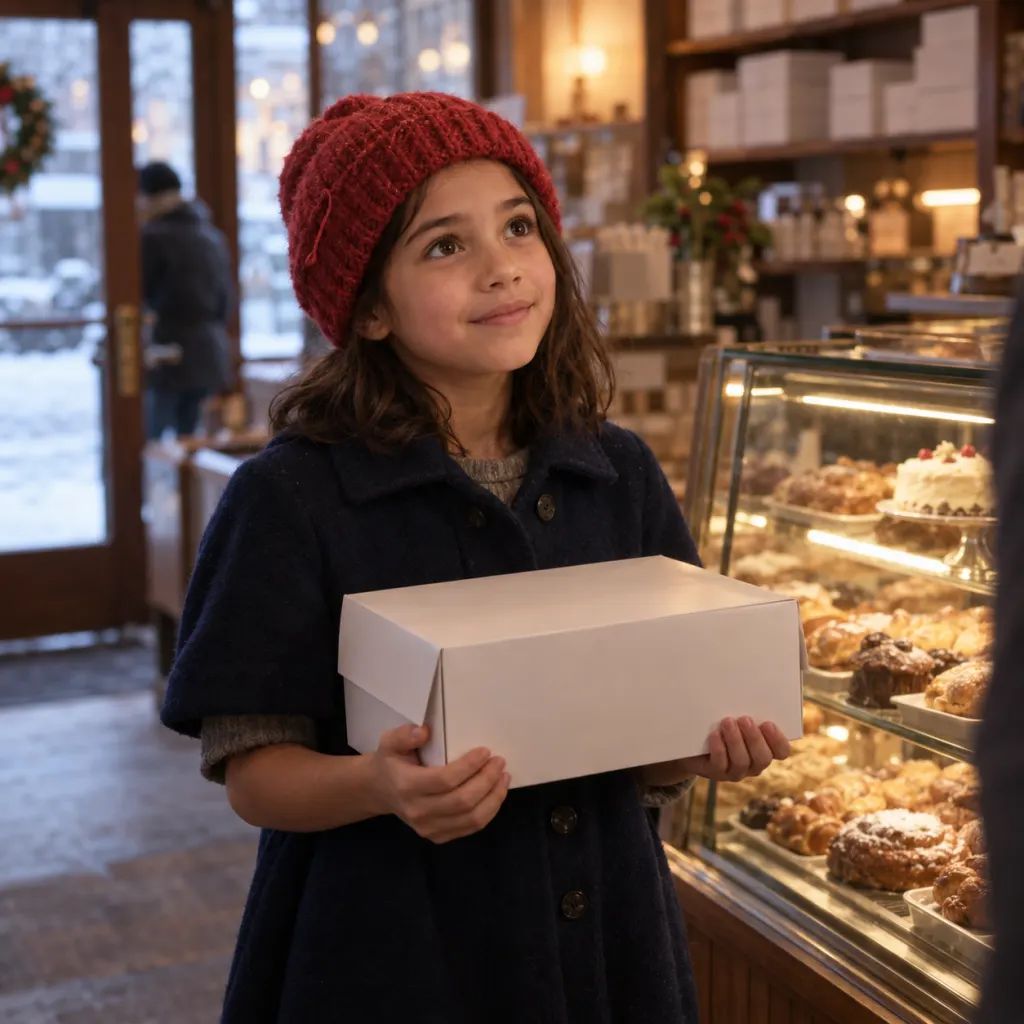
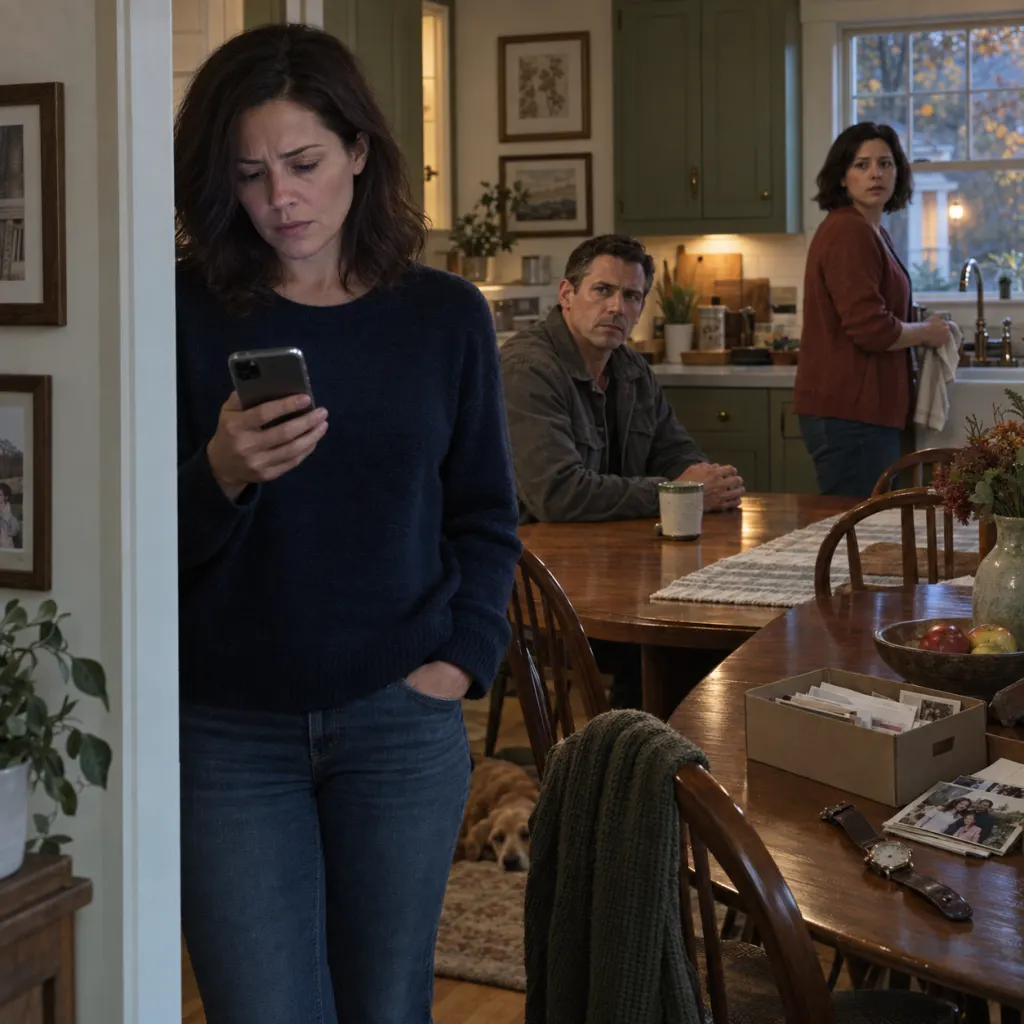
Fiction. This is an original fictional continuation of the setup in the accompanying post. The image is illustrative; it does not verify the events or identify the characters.
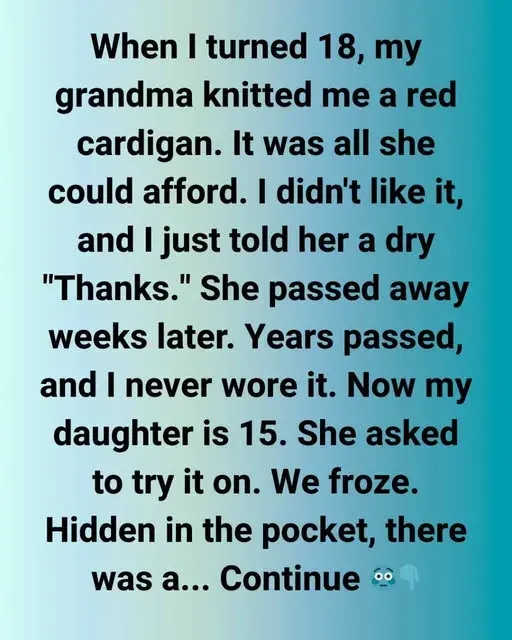
At eighteen, the narrator received a handmade red cardigan from her grandmother, who could afford little else. She answered with a careless “thanks.” Her grandmother died a few weeks later. Years passed. Then the narrator’s fifteen-year-old daughter found the cardigan.
A sweater from the old box
My daughter held the red cardigan against herself. “Can I try it on?” she asked. At fifteen, she liked the clothes I had once been embarrassed by: thick wool, mismatched buttons, things that looked as if someone had taken time over them.
I said yes before I could explain why my throat had tightened. The cardigan had followed me through several moves, folded at the bottom of a box. I could remember the paper Grandma wrapped it in and the exact flatness of my thank-you. I remembered that she had smiled anyway.
“There's something inside,” my daughter said.
She put her fingers along the lining near the side seam. A tiny pocket was stitched there, almost hidden by the fold of the wool. She eased out a small envelope and held it toward me. My name was written on the front.
What Grandma had left
Inside was a note, a photograph, and a short length of red yarn wrapped around two spare buttons. There was no fortune, no secret inheritance, no evidence that the cardigan had been valuable in the way my eighteen-year-old self understood value.
The photograph showed Grandma young, standing beside a garden gate in a cardigan with the same uneven buttons. On the back she had written the year and the name of the woman who taught her to knit.
The note was for me. She hoped the sweater would keep me warm when I went away. She knew the sleeves might be too long. She had left extra yarn in case I wanted to change the cuffs, and spare buttons because losing one should never be a reason to throw away something that still worked.
The last line said that I could always make it fit the person I became.
I read it twice. My daughter sat down beside me without asking whether I was crying.
The birthday I wished I could repeat
I told her about turning eighteen. How I had wanted a store-bought coat, a label someone would recognize, anything that made me feel grown. How I had looked at Grandma's gift and seen only the thing I had not asked for.
“Did she know you didn't like it?” my daughter asked.
“I think so.”
There was no useful way to make my answer prettier. Grandma had died a few weeks after that birthday. I never got the chance to wear the cardigan to her kitchen and thank her properly. The envelope did not change that.
My daughter looked down at the cuffs. “She still wanted you to have it.”
That was the part I had avoided for years. I had treated the cardigan as a record of my failure. Grandma had made it as something I could use.
Learning the stitch
We did not pull at the old yarn or try to wash the cardigan that afternoon. We spread it flat and looked at the small repairs it needed. A friend who knitted helped us work out how to secure a loose seam without changing the shape.
My daughter wanted to learn. I sat beside her with two needles that felt awkward in my hands. Our first practice rows curled. We dropped stitches. She laughed when I made exactly the same mistake twice.
Later I put the note and photograph somewhere they would be protected, and copied the words so my daughter could keep them with the sweater. We left the tiny pocket in place. It had already done its job.
What stayed with us
My daughter wore the cardigan on a cold morning a week later. Before she left, she turned the long cuffs back and asked if she looked all right.
She looked like herself. She also looked, for one startling second, like the photograph of my grandmother at the garden gate.
“You look warm,” I said, and she grinned.
The secret was a note, a photograph, spare buttons, and a length of yarn. Small things, prepared by someone who knew she might not always be there to mend what wore out. My daughter found them at fifteen. I finally understood them as an adult.
I cannot give Grandma a better eighteenth-birthday response. I can care for what she made, tell the truth about it, and teach my daughter that a gift can carry more time than its wrapping will ever show.
Frequently Asked Questions
- → Is this a verified true story?
No. This is an original fictional continuation of the accompanying caption, not a verified account of real events. The names, setup and promised reveal are kept consistent with that caption.