 Save
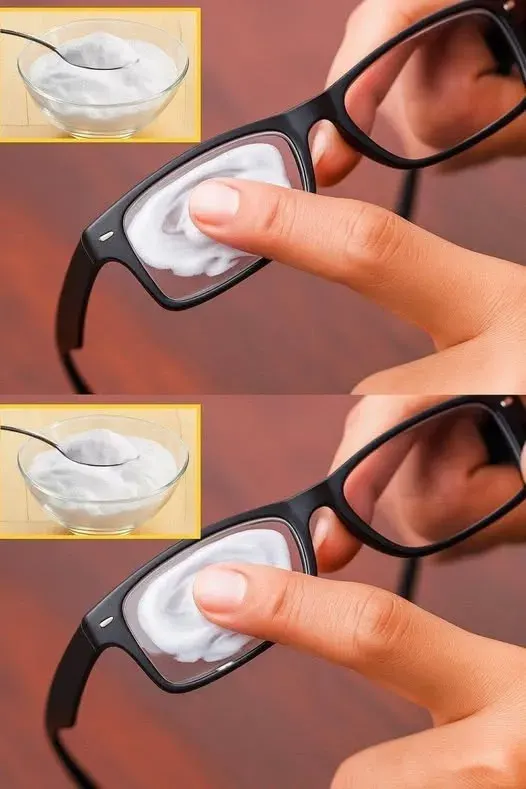
The image shows a white paste being rubbed onto eyeglass lenses. It does not prove that scratches disappear. Cleaning can remove film and smudges; it does not reliably restore a scratched prescription lens or damaged coating.
Step 1: Do not polish away the lens
Avoid toothpaste, baking soda, metal polish, household abrasives and unapproved scratch-removal compounds. Removing material can damage coatings or affect the optical surface. Ask an optician whether a mark is residue, coating failure or a scratch before trying a repair.
Step 2: Clean gently to see what remains
Use a lens cleaner approved for the lenses and a clean microfiber cloth, following the product and lens maker’s directions. ZEISS’s care guidance explains appropriate lens cleaning. Keep grit off the surface and avoid rubbing a dirty lens dry.
Step 3: When replacement is the useful answer
If a scratch or damaged coating remains after safe cleaning, have the lenses assessed. Replacement may be needed, especially when the mark interferes with vision. A before-and-after photo is not enough to establish a safe home restoration method.
Step 4: Prevent the next mark
Store glasses in a clean case, use both hands when taking them off, and keep the lens faces off hard surfaces. Replace a dirty cleaning cloth rather than repeatedly dragging trapped grit across the lenses.
Frequently Asked Questions
- → What does the original image establish?
The image shows a white paste being rubbed onto eyeglass lenses. It does not prove that scratches disappear. Cleaning can remove film and smudges; it does not reliably restore a scratched prescription lens or damaged coating.