 Save
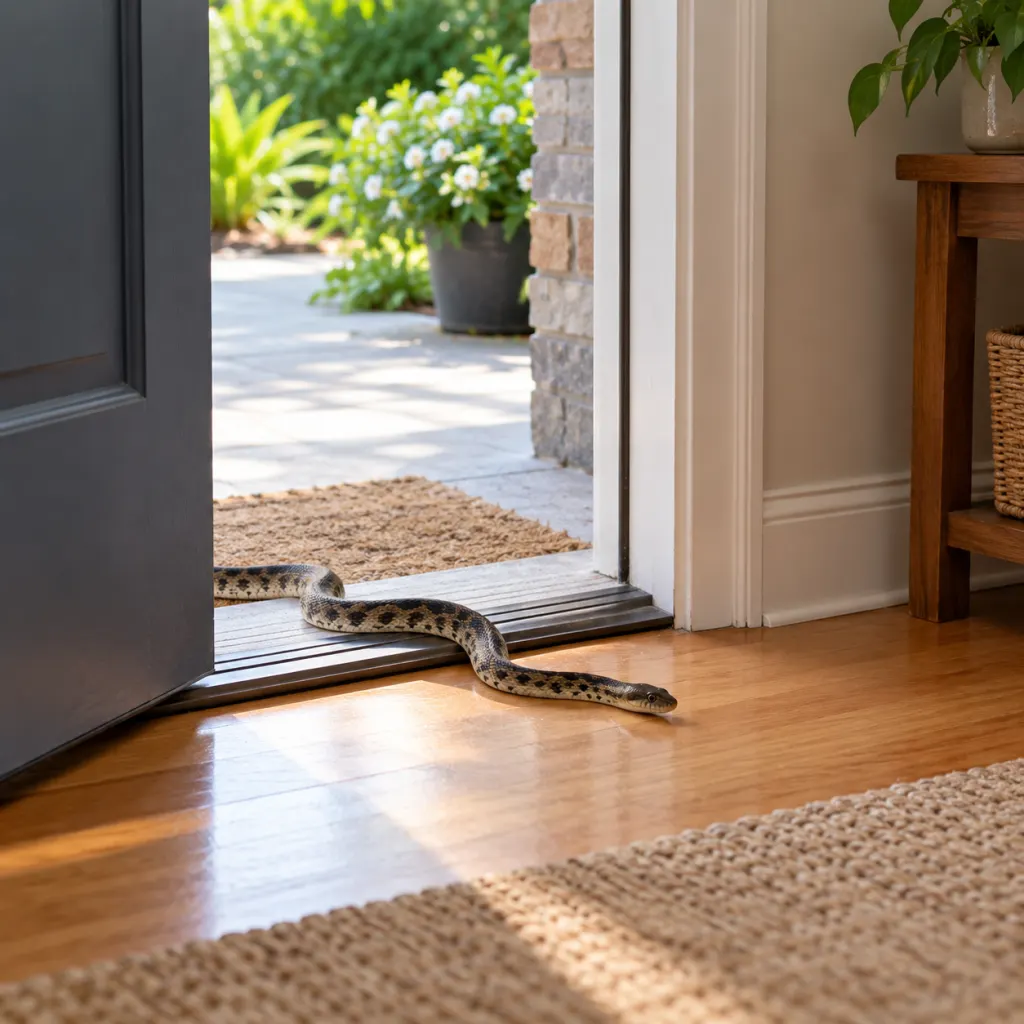
When a snake enters your house, it usually means you have an access point, shelter, or a nearby food source, not a supernatural warning. Snakes move toward cover, comfortable temperatures, and prey, and a home can accidentally provide all three. The event can still feel meaningful because snakes carry strong symbolism in many cultures, but the practical response comes first: give the animal space, keep children and pets away, and avoid handling it. The CDC advises calling animal control when a snake is inside the home and not trying to trap it yourself if you are unsure what it is CDC.
The clearest meaning is environmental
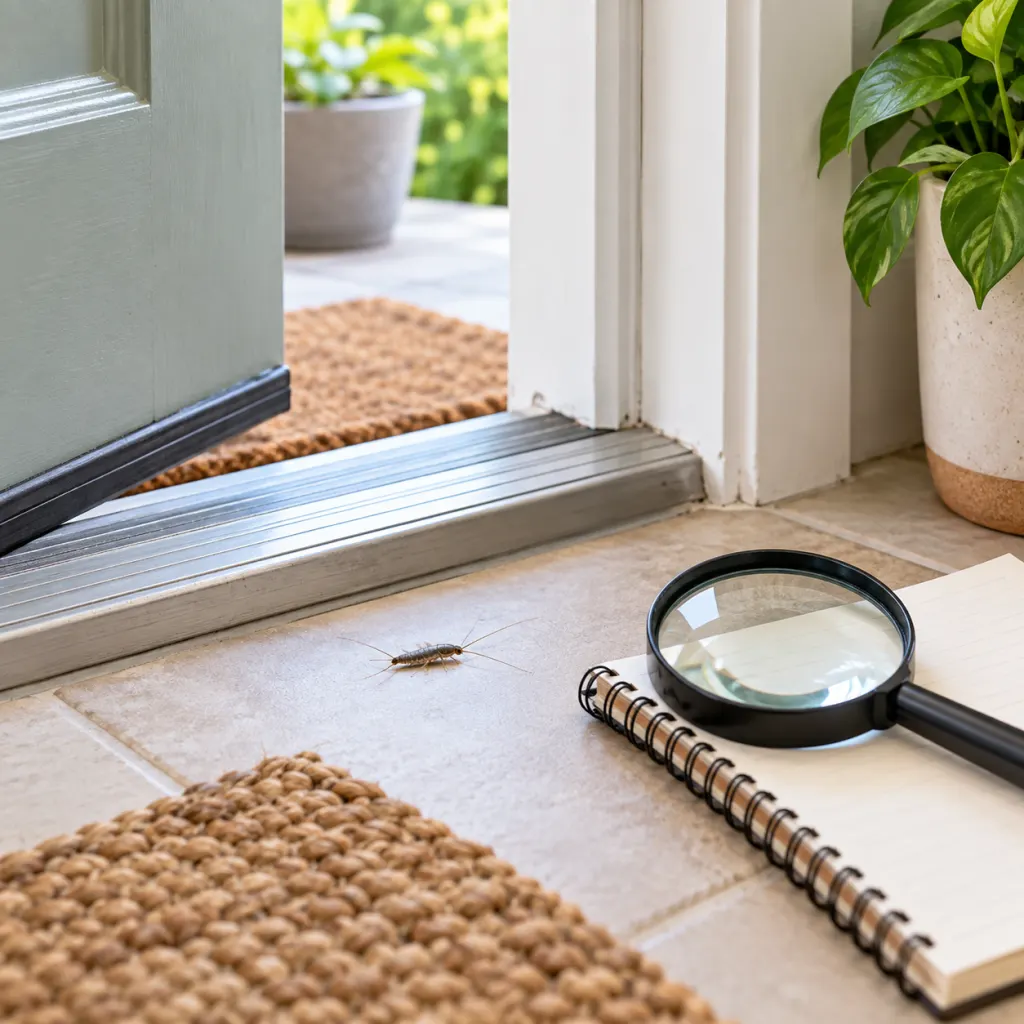
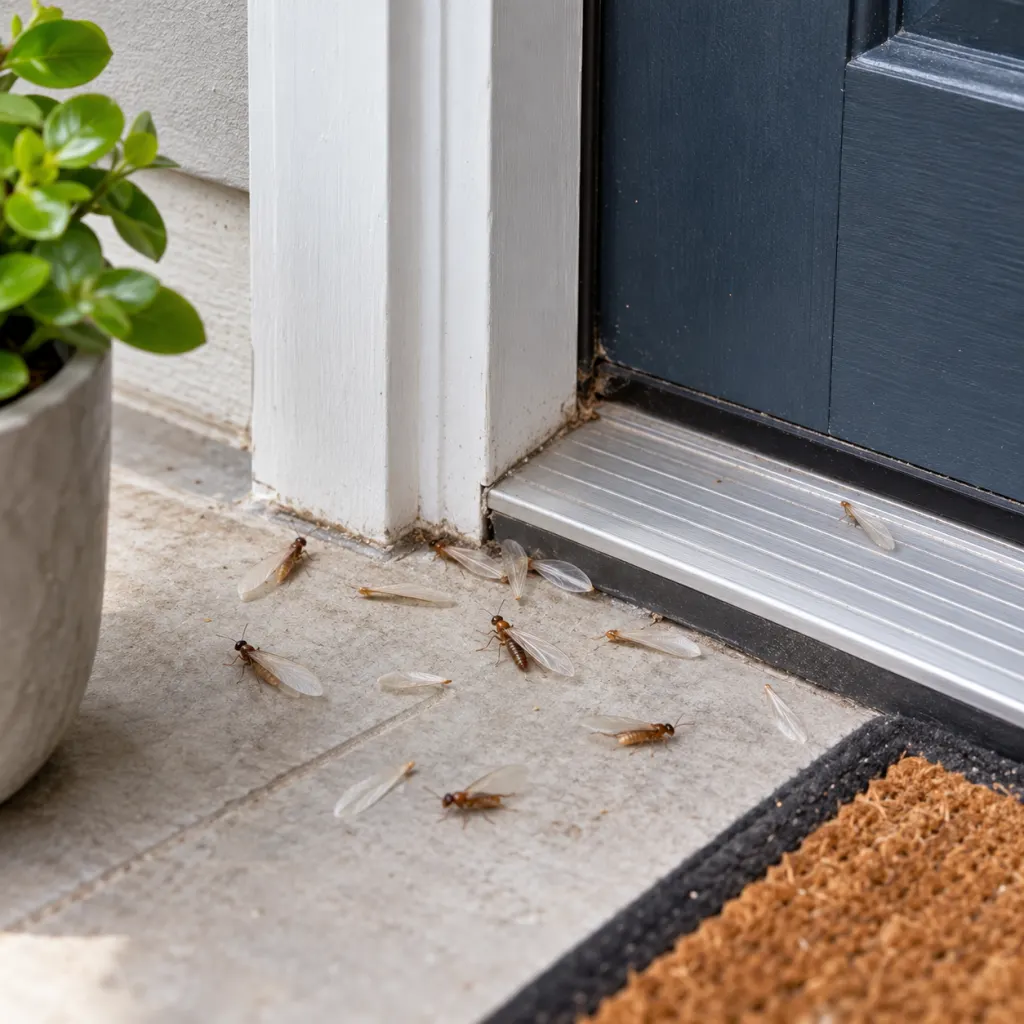
The most grounded interpretation is simple: something about the house, garage, porch, crawl space, or nearby yard made entry possible or attractive. A snake may slip under a worn door sweep, through an uncovered drain, around a utility opening, or into a garage left open at dusk. University of Florida Extension notes that snakes can enter garages, basements, attics, or other spaces while looking for prey, a cool hiding place, or a route through small openings, and that some small snakes can pass through an opening no larger than a pencil UF/IFAS Extension.
That does not mean the home is dirty or unsafe overall. It means the house has become part of the animal's path. Snakes do not enter because they recognize a human household as special. They follow scent, cover, temperature, and prey. A single indoor sighting can happen by chance, especially when a door has been open, when landscaping touches the house, or when seasonal weather pushes animals toward more protected places.
If you see one indoors, make the first few minutes practical:
- Step back and give the snake a clear escape route if it is near an exterior door.
- Keep children and pets out of the room.
- Do not grab, corner, or strike the snake.
- If you can do so safely, note its size, color, and pattern from a distance.
- Call animal control, a local wildlife office, or a qualified removal professional if you cannot confidently and safely let it leave on its own.
Why snakes come indoors
Snakes are ectothermic reptiles, which means their activity is closely tied to surrounding temperature. They may seek warmer surfaces during cooler periods and cooler cover during hot periods. The National Park Service describes snakes as animals that use behaviors such as moving, sheltering, and tongue-flicking to navigate their environments, and it also notes their role in controlling small mammal populations National Park Service.
Food is another major clue. Many snakes eat rodents, frogs, lizards, insects, eggs, or small mammals, depending on species and region. If rodents are active in a garage, attic, shed, or compost area, snakes may follow. The CDC specifically lists rodent prevention and removal of brush or log piles as ways to reduce snake-attracting conditions around the home CDC. Georgia Extension gives similar advice: clean up brush and debris, inspect gaps and crevices, and reduce rodents around the property University of Georgia Extension.
What the folklore is doing
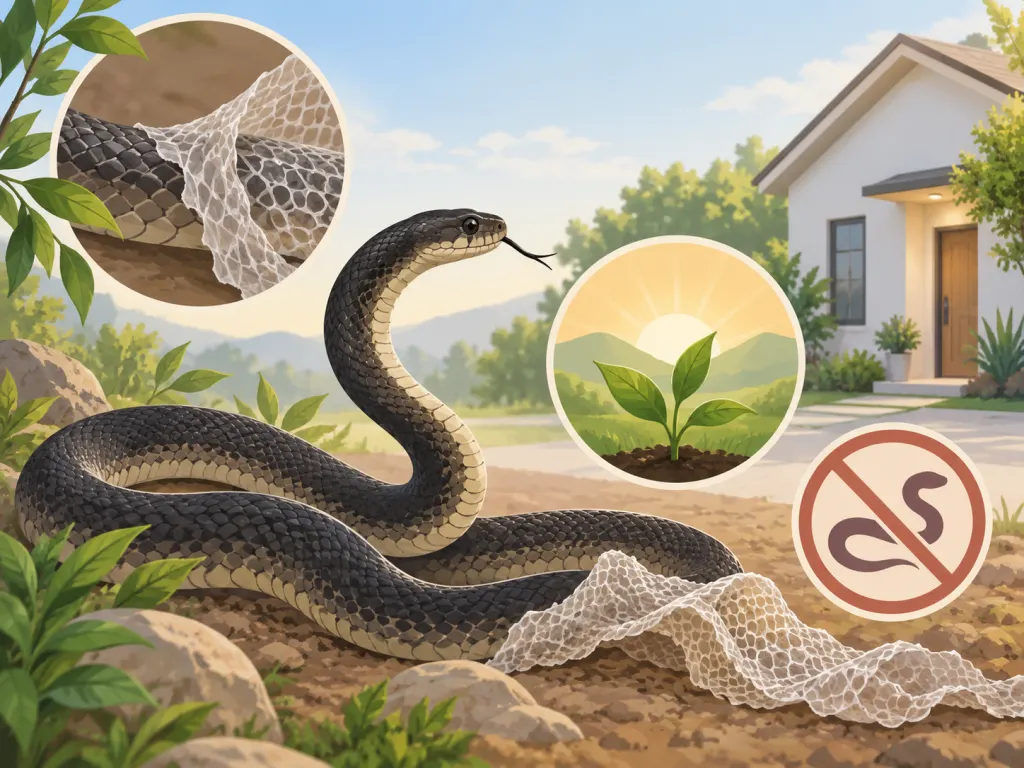
The symbolic side is real as culture, even if it is not evidence that the snake arrived with a message. Around the world, snakes have been treated as signs of renewal, danger, protection, fertility, wisdom, fear, or change. One reason is visible: snakes shed their skin, so people often connect them with transformation. Another reason is emotional: an unexpected snake in a private space can feel intense, and intense events invite interpretation. The National Park Service notes that snakes are revered, feared, and worshipped in many parts of the world while also being misunderstood animals with ecological roles National Park Service.
A balanced reading can honor both layers. If your tradition treats a snake as a sign of change, caution, protection, or ancestral presence, you do not have to dismiss that meaning. But symbolic meaning should sit beside practical action, not replace it. The useful question is not only, What does this mean spiritually? It is also, What did the snake find here?
How to read the sign without overreacting
After the snake is gone, read the event like a home inspection prompt. Start where it appeared. A snake in the kitchen or living room may have entered through a door, pet opening, damaged screen, basement stairwell, or utility gap. A snake in an attic, bathroom, or wall-adjacent space may point toward roof vents, plumbing openings, crawl space access, or rodents. A snake in a garage may reflect clutter, boxes, birdseed, pet food, or a door that does not seal tightly.
Look for patterns rather than drama. One small snake near a door after heavy rain may simply have wandered in. Repeated sightings near the same wall, cabinet, garage corner, or crawl space are more useful evidence. They can suggest a gap, a hiding route, or prey nearby. University of Florida Extension recommends checking doors, walls, screens, roof openings, drain pipes, garages, sheds, porches, and crawl spaces when reducing unwanted snake encounters UF/IFAS Extension.
Prevention without panic
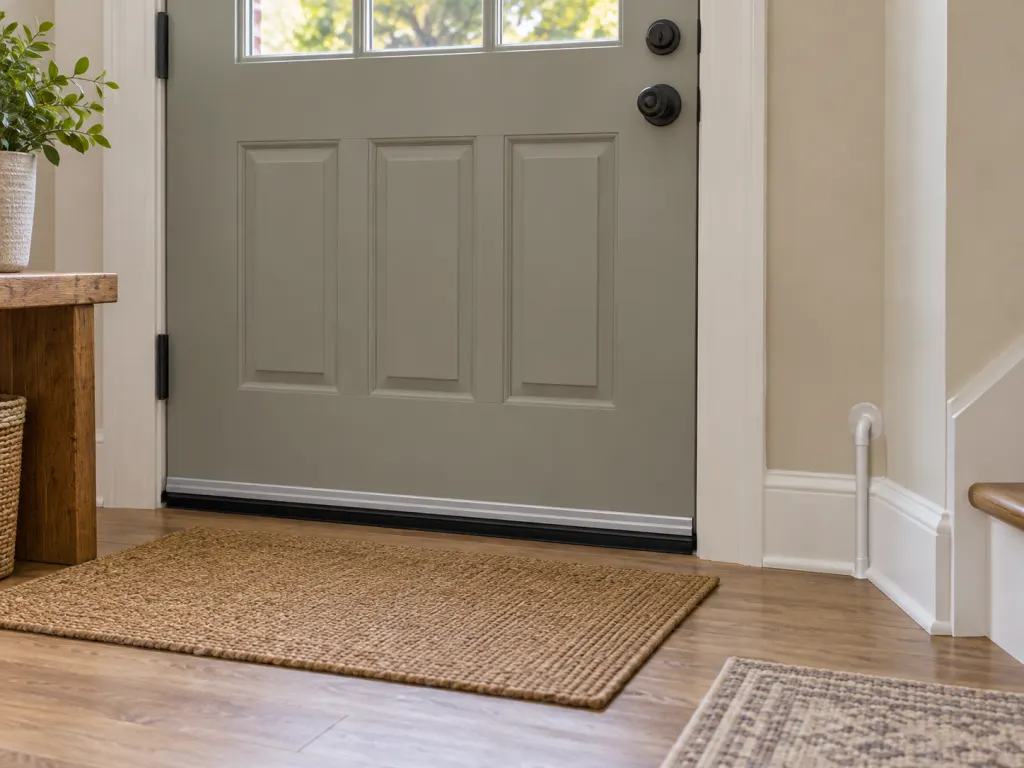
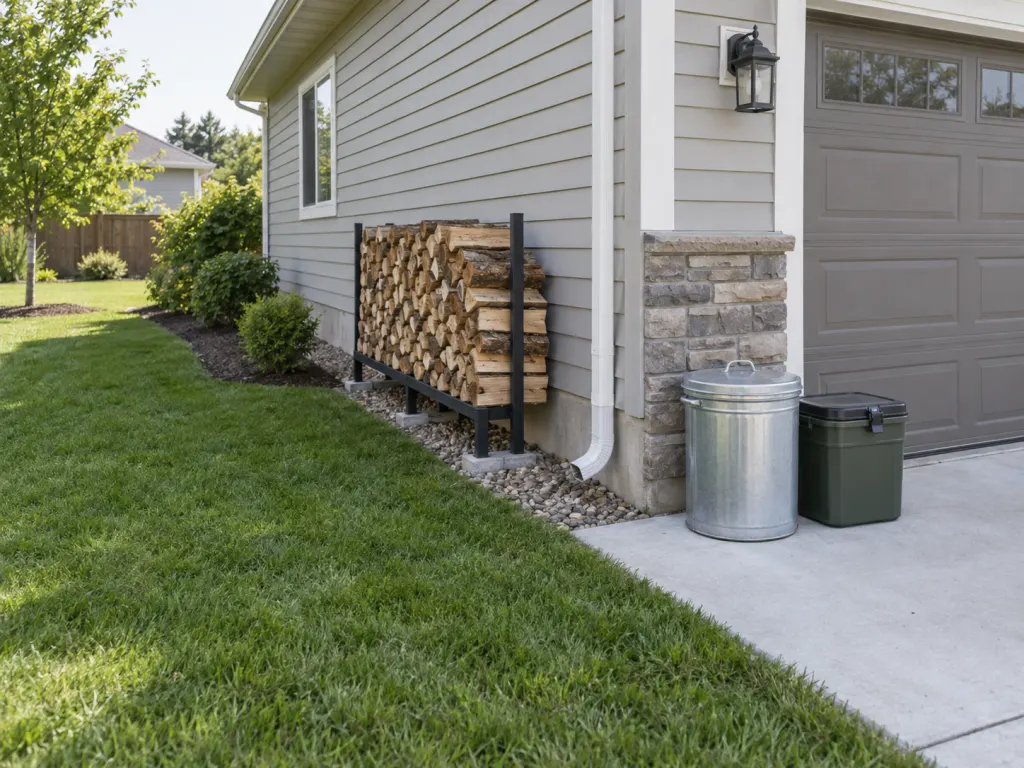
Prevention works best when it makes the house less inviting to both snakes and their prey. Seal gaps under exterior doors with door sweeps and garage threshold strips. Repair damaged screens. Cover larger openings with hardware cloth where appropriate. Store pet food, birdseed, and grass seed in tight containers. Keep cardboard boxes, firewood, and stacked debris away from doors and foundations. Trim dense vegetation near the house so you can see the ground and reduce hidden travel lanes.
Repellents are often less reliable than maintenance. The more effective habit is removing the reasons a snake would linger: shelter, prey, and easy entry. If you use compost, keep it secure. If you feed birds, clean spilled seed, because seed can attract rodents, and rodents can attract snakes. If you see droppings, gnaw marks, or chewed packaging, address the rodent issue directly and consider qualified pest help. This is not about making nature disappear; it is about keeping wildlife outside the living space.
When the situation needs outside help
Call for help when the snake is inside and you cannot identify it, when it is in a room with limited exits, when children or pets are nearby, or when you suspect a venomous species. CDC guidance says not to try to remove or trap a snake yourself when it is in the home and to contact animal control instead CDC. If a bite occurs, MedlinePlus says to get medical help right away and not to pick up, trap, cut, ice, or use suction on the bite area MedlinePlus.
It is also wise to learn which venomous snakes live in your region before there is an emergency. In the United States, CDC/NIOSH lists rattlesnakes, copperheads, cottonmouths, and coral snakes among venomous snakes found in the country CDC/NIOSH. Identification by head shape or color alone can be unreliable for non-experts, so distance and professional help are better than confidence based on a quick glance.
What not to assume
Do not assume every snake indoors means an infestation. Do not assume every snake is venomous. Do not assume killing it solves the reason it entered. And do not assume a symbolic interpretation gives enough guidance for a real animal in a real room. Most snakes try to avoid people, and many are beneficial predators. The practical goal is calm separation: people and pets inside, snake outside, openings sealed, attractants reduced.
Bottom line
A snake entering the house most often means the home offered access, cover, temperature relief, or prey. If you want to read it symbolically, treat that as a personal or cultural layer, not the only explanation. The useful response is steady and concrete: keep distance, avoid handling, call qualified help when needed, and inspect the home afterward. In that sense, the snake may indeed be a sign, but usually it is a sign to check the doorway, the garage, the crawl space, the clutter, and the rodents before searching for a hidden omen.
Wrap-Up
A snake in the house is usually an environmental clue. It may point to an open route inside, seasonal temperature pressure, hiding places, or prey animals nearby. Cultural meanings can make the encounter feel powerful, but safe handling and home maintenance matter most. Give the snake space, keep children and pets away, seek professional removal when uncertain, and reduce future encounters by sealing openings, clearing debris, and controlling rodent attractants.
Frequently Asked Questions
- → Does a snake in the house mean there are mice?
It can, but not always. Snakes may enter for shelter, temperature, or simple access. Still, rodents are a common attractant, so it is smart to check for droppings, chewed packaging, pet food, birdseed, gaps around doors, and cluttered garage or attic areas.
- → Should I try to catch the snake myself?
If you are unsure what kind of snake it is, the safer choice is to keep distance and call animal control or a wildlife professional. Avoid grabbing, cornering, or striking the snake, because many bites happen when people try to handle or kill one.
- → Can a snake enter through a very small gap?
Yes. Small snakes can use surprisingly narrow openings, especially under doors, around utility lines, through damaged screens, near vents, or around crawl spaces. A careful exterior inspection after the snake is gone can reveal the likely route.
- → Do snake repellents keep snakes away from a house?
Home maintenance is more dependable than relying on repellents. Focus on sealing entry points, reducing brush and debris, storing food and seed in secure containers, and addressing rodent activity. Those steps remove the reasons snakes approach the structure.
- → Is there a spiritual meaning when a snake enters your home?
Many traditions connect snakes with change, caution, protection, or renewal, so people may read the event symbolically. That interpretation is personal or cultural. Practically, the snake was most likely following shelter, prey, temperature, or an opening into the house.
References
This content was developed and refined using reliable sources.
- https://www.cdc.gov/healthy-pets/about/wildlife.html
- https://www.cdc.gov/niosh/outdoor-workers/about/venomous-snakes.html
- https://ask.ifas.ufl.edu/publication/UW260
- https://site.extension.uga.edu/fultonag/2020/07/3-easy-steps-to-reduce-snakes-around-your-home
- https://www.nps.gov/orpi/learn/nature/snakes.htm
- https://www.medlineplus.gov/ency/article/000031.htm