 Save
Ants in your home most often mean one of four practical things: there is accessible food, available water, a gap that lets them in, or a nesting condition nearby. A sudden trail does not automatically mean serious damage. It does mean the ants found something worth recruiting nestmates to visit. The useful first move is to observe the trail before wiping it away: where are they entering, where are they going, and are they showing up in the same place again?
What a line of ants is really telling you
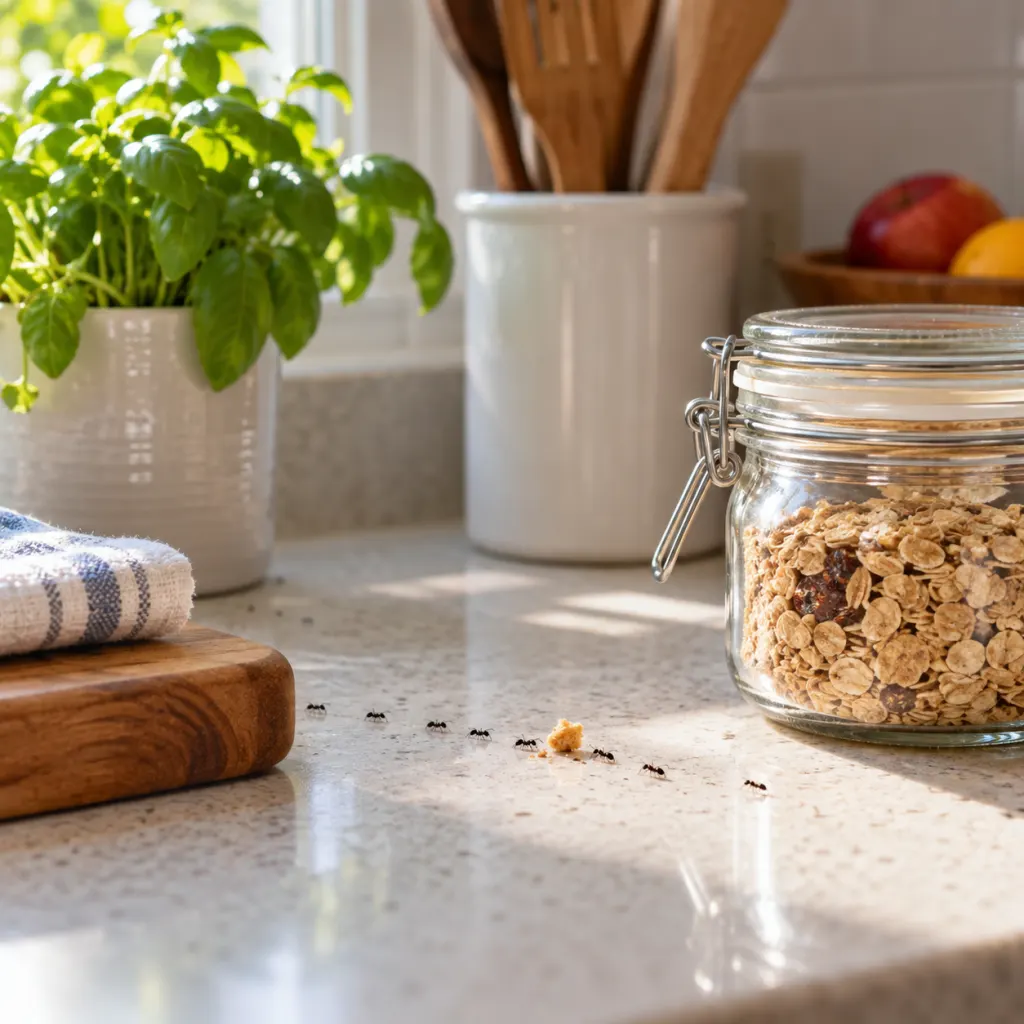
Ants are social insects, so one ant on a counter can turn into a moving line once workers locate a usable resource. University of California IPM notes that most ants live outdoors and that home management should focus on keeping them from entering, cleaning food sources, and using baits when needed rather than relying on indoor sprays https://ipm.ucanr.edu/home-and-landscape/ants/. In plain household terms, ants are often revealing an ordinary maintenance detail: crumbs under the toaster, syrup on a cabinet lip, fruit residue in a bin, a leaky faucet, a gap around a pipe, or mulch and plants close enough to give them a bridge to the building.
The reason ants can feel as if they appeared overnight is that foraging changes quickly. Scouts wander until they find something useful, then other workers follow chemical trails to the same location. That is why the trail itself matters. A cluster around a sugar bowl says something different from workers repeatedly emerging near a dishwasher kick plate, and a few winged ants at a window call for a different inspection than tiny ants crossing a dry pantry shelf.
Start by reading the pattern, not guessing the species
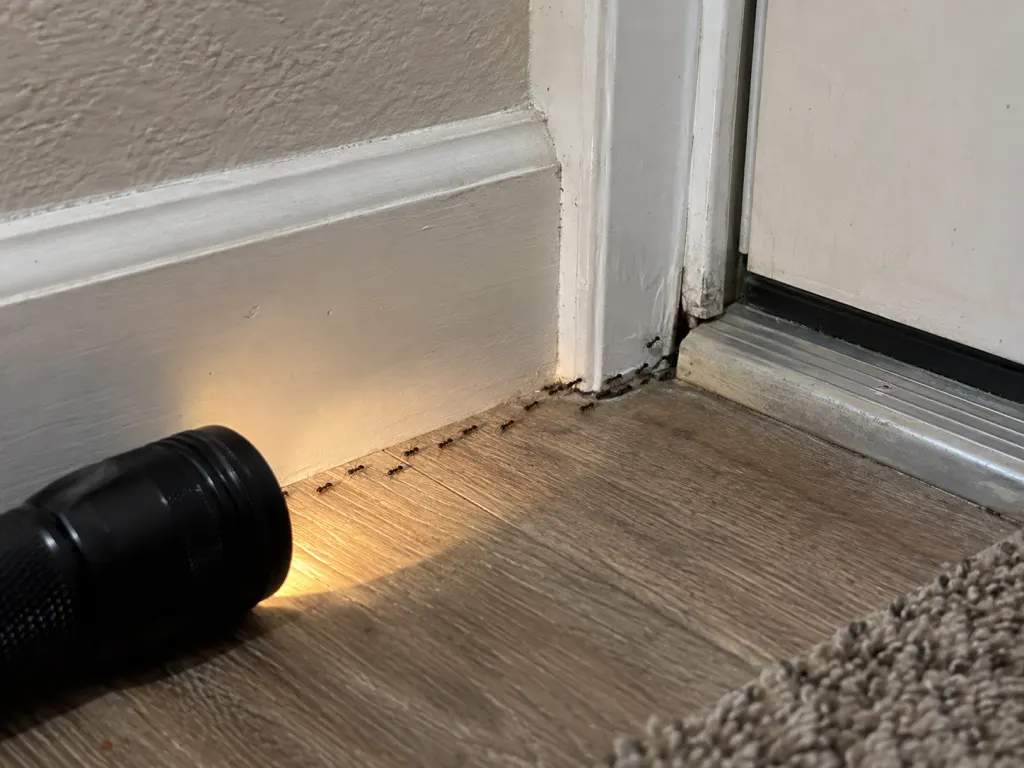
You do not need to identify every ant on day one, but you do need to notice the pattern. Look at the ants' size, color, timing, route, and destination. Follow the trail back as far as you safely can. If the ants disappear beneath a baseboard, around a pipe, under a door threshold, or through a crack near a window, mark that spot for later sealing. If they are moving between an indoor spill and an outside wall opening, the answer may be cleanup plus exclusion. If they keep returning to one damp or wooden area, the answer may include inspection for moisture and damaged wood.
Use this quick checklist while you observe:
- Food clue: ants gathering near crumbs, sugar, grease, fruit, pet bowls, recycling, or trash bins.
- Water clue: ants repeatedly near sinks, tubs, dishwashers, damp cabinets, plant trays, or plumbing penetrations.
- Entry clue: ants traveling along baseboards, window trim, door sweeps, utility lines, foundation cracks, or branches touching the home.
- Season clue: ants appearing after rain, dry heat, spring warming, or sudden outdoor changes.
- Wood clue: larger ants, repeated activity at night, winged ants indoors, or coarse sawdust-like debris near trim or framing.
Food and water are the most common attractions
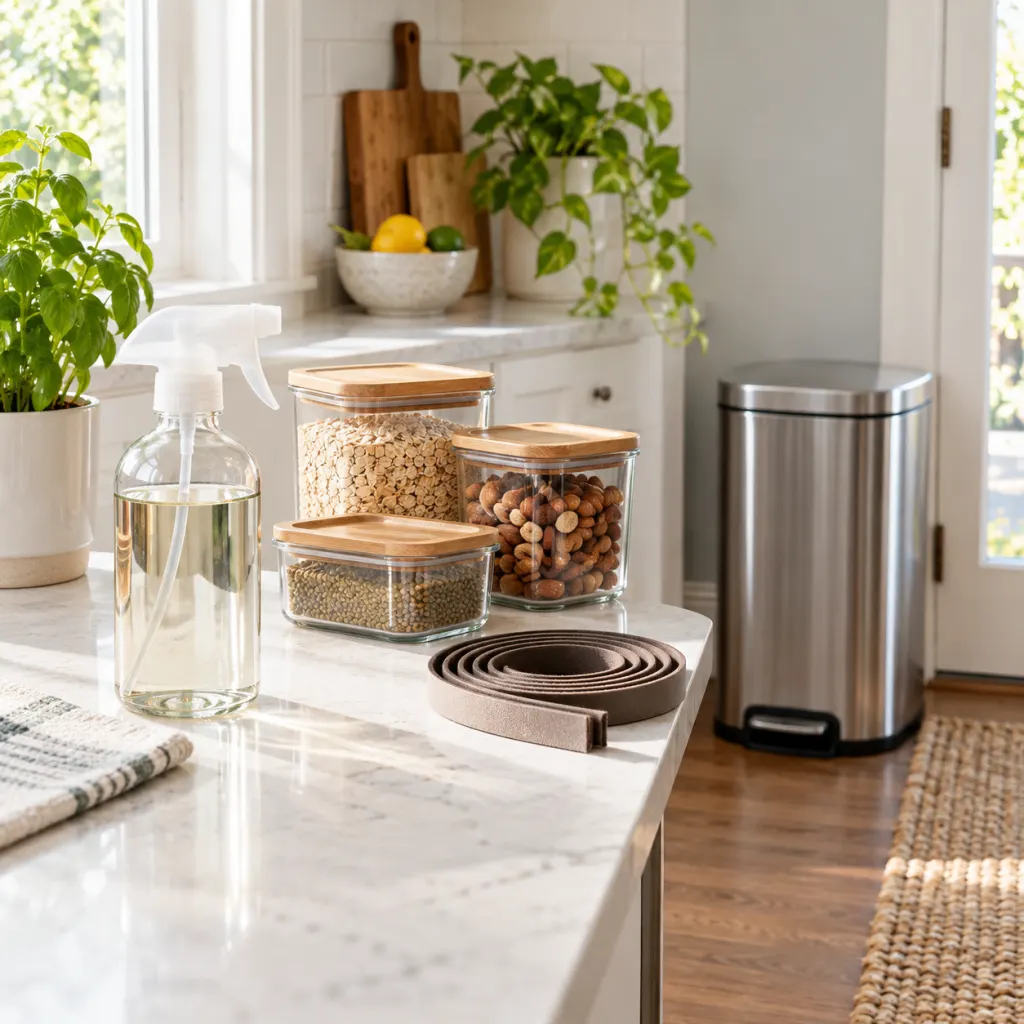
The EPA's pest-control guidance explains that pests need food, water, and shelter, and that many problems can be reduced by removing those key items, including sealed food storage, regular garbage removal, fixing leaky plumbing, and closing entryways https://www.epa.gov/pesticides/smart-pest-control-protect-your-health. For ants, the food source can be almost embarrassingly small. A few grains of sugar at the back of a drawer, a sticky ring under a honey jar, crumbs below a high chair, or residue in a recycling bin can support a visible trail.
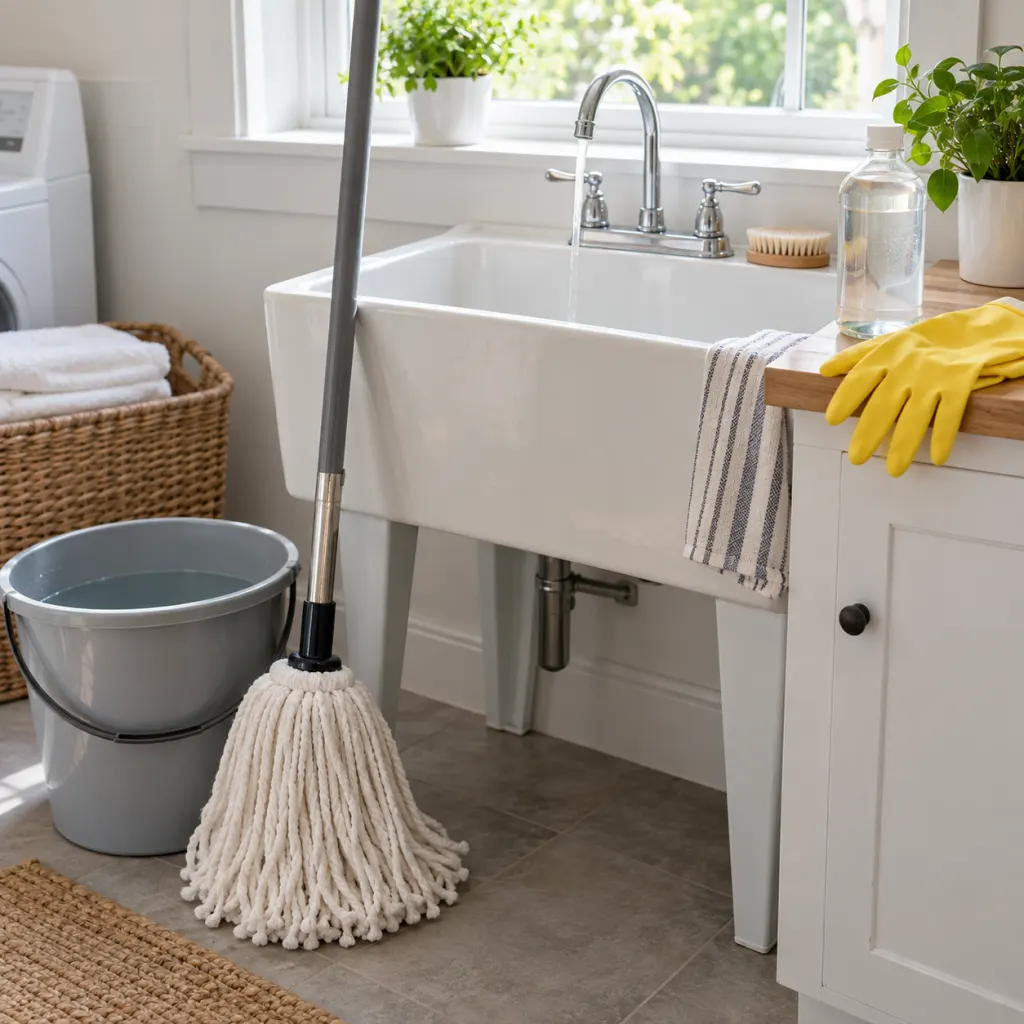
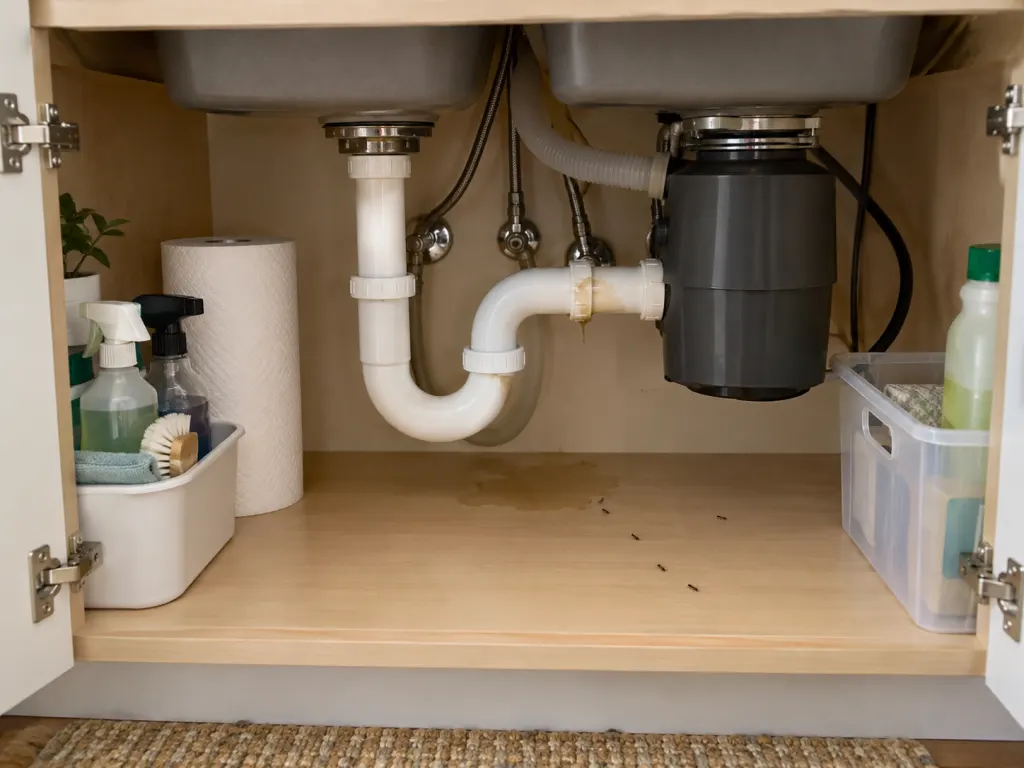
Water can be just as important. NC State Extension's carpenter ant publication notes that water is crucial to carpenter ants and that indoor activity is often seen near sinks, bathtubs, and dishwashers https://content.ces.ncsu.edu/biology-and-control-of-carpenter-ants. Even when the ants are not carpenter ants, repeated activity near water should push you to check for a slow drip, wet cabinet base, condensation around pipes, a damp sponge left in place, or plant saucers that stay wet.
Moisture and wood clues deserve extra attention
Some ants are only nuisance foragers, but carpenter ants can be a home-maintenance warning because they tunnel into wood for nesting. University of Minnesota Extension explains that carpenter ants do not eat wood; they remove wood as they create galleries and tunnels, and indoor nests are often associated with moist or decayed wood from leaks, condensation, or poor air circulation https://extension.umn.edu/garden-and-home/home-maintenance/household-insects/carpenter-ants. That distinction matters because killing visible workers is not the same as solving the condition that attracted them.
Look more closely when ants appear around window frames, bathroom tile, tubs, dishwashers, crawlspace edges, roof leaks, exterior trim, or areas where wood touches masonry or soil. NC State Extension lists indicators such as indoor swarmers, workers foraging near water, rustling sounds in voids, sawdust-like frass, and smooth galleries in damaged wood https://content.ces.ncsu.edu/biology-and-control-of-carpenter-ants. One ant does not prove a nest is inside, but repeated signs in the same damp zone should move the issue from simple cleanup to careful inspection.
Weather can push outdoor ants indoors
A new trail can also reflect outdoor conditions rather than a sudden indoor failure. University of Maryland Extension notes that most ants wander indoors in search of food and may also enter if outdoor conditions are too wet or too dry https://www.extension.umd.edu/resource/ants-indoor-insects. After heavy rain, ants may move away from saturated soil. During hot dry periods, they may search for moisture. During spring warming, colonies become more active, and winged reproductive ants may appear as colonies expand.
That seasonal context keeps the response proportional. If ants appeared once after a storm, entered under a door, found a sticky spill, and disappeared after cleaning and sealing, the home probably gave them a temporary opportunity. If they keep appearing in the same wall line for weeks, or if large ants show up indoors in late winter or early spring, it is more reasonable to suspect an indoor nesting area or a protected route that needs professional evaluation.
What to do first when you see ants
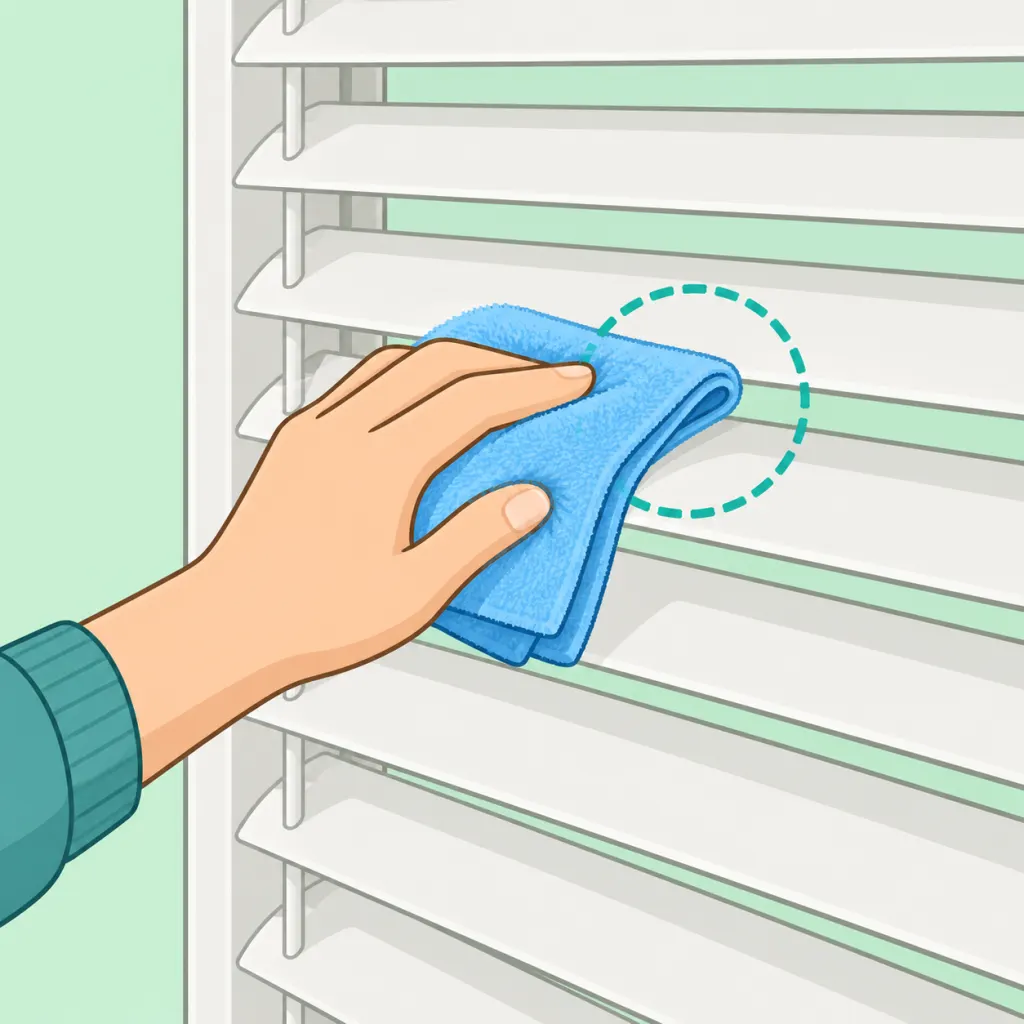
The first response should be calm and methodical. Take a minute to trace the trail. Photograph the entry point if that helps you remember it. Remove the food source if you can identify it. Wipe the surface with soapy water to remove residue and trail cues. Then seal obvious openings with appropriate caulk or weatherstripping after the area is clean and dry. UC IPM specifically recommends cleaning invading ants with soapy water, identifying and sealing entry points, storing food in sealed containers, fixing leaky faucets, and keeping plants, grass, and mulch away from the foundation https://ipm.ucanr.edu/home-and-landscape/ants/.
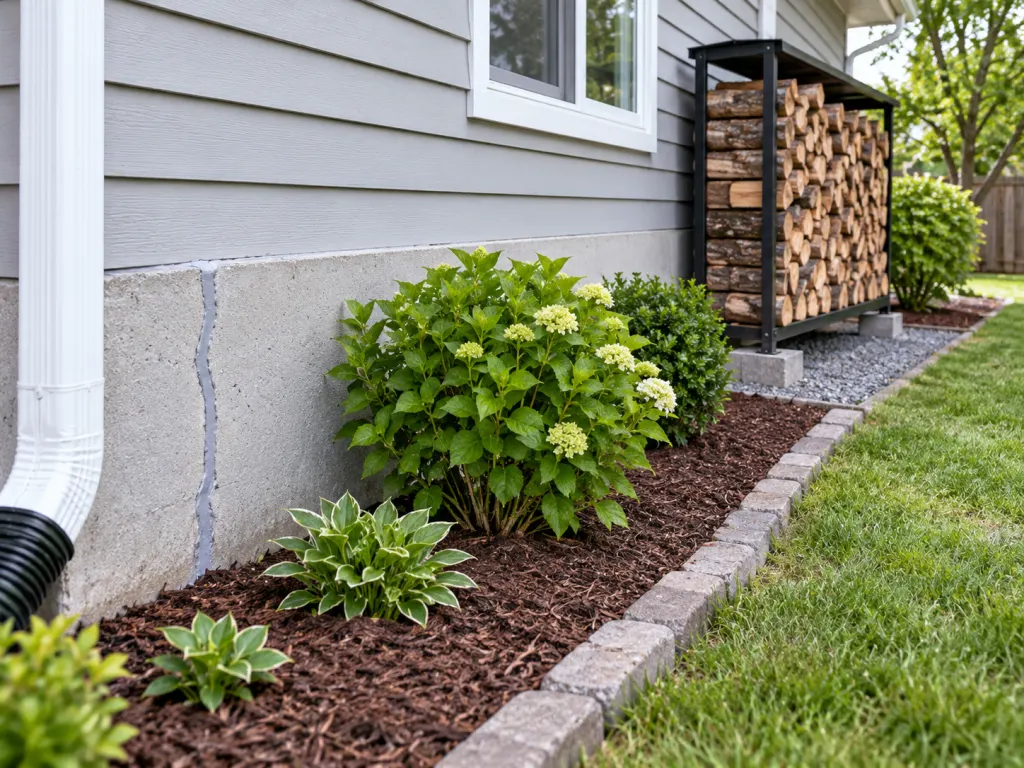
For kitchen and pantry areas, think like a foraging ant. Move the toaster, wipe under small appliances, clean the sides and bottoms of jars, rinse recycling, empty indoor food-waste containers often, and check the floor edge where cabinets meet the wall. For water-prone areas, dry the cabinet floor under sinks, look for staining or softened material, and inspect around dishwasher and refrigerator water connections if present. Outside, trim vegetation touching the house, avoid piling mulch against siding, keep firewood away from the building, and repair gaps around utility penetrations.
Why sprays are often the wrong first move
Spraying the visible trail may feel satisfying, but it often misses the colony and can make the inspection harder. EPA describes integrated pest management as a decision process that begins with monitoring and identification, then prevention, and only then control options chosen for effectiveness and risk https://www.epa.gov/safepestcontrol/integrated-pest-management-ipm-principles. UC IPM also says spraying ants indoors will not prevent more ants from entering and that pesticide sprays often provide only temporary control https://ipm.ucanr.edu/home-and-landscape/ants/.
If you use an ant product, choose one labeled for the setting and pest, and follow the label exactly. EPA explains that pesticide labels provide essential information for using products safely and effectively, and its label-search page explains how to look up pesticide product labels and registration details https://www.epa.gov/ingredients-used-pesticide-products/how-search-information-about-pesticide-ingredients-and-labels. Baits can be useful because workers carry the material back toward the nest, but they take time and work best when competing food sources are removed.
When an ant problem is more than a nuisance
Consider a licensed pest-management professional when ants persist despite cleanup and sealing, when you cannot locate the entry point, when ants appear from wall voids or electrical openings, when you suspect carpenter ants, or when there are signs of damp or damaged wood. NC State Extension notes that carpenter ant work can require careful inspection of attics and crawlspaces and may be too complex for the average person when nests are hidden or structural damage is involved https://content.ces.ncsu.edu/biology-and-control-of-carpenter-ants. EPA also recommends choosing a pest-control company carefully and looking for experience with integrated pest management https://www.epa.gov/pesticides/smart-pest-control-protect-your-health.
A good inspection should answer practical questions: What ant is present? Are they nesting indoors or traveling from outside? What conditions are supporting them? Which entry points need sealing? Are moisture repairs needed before pest control will hold? The most useful answer is rarely just a product name. It is a sequence: identify, remove attractants, repair moisture or access issues, choose targeted controls if needed, and recheck the area afterward.
What ants do not necessarily mean
Ants do not necessarily mean your home is dirty, unsafe, or structurally damaged. Clean homes can still have a gap under a threshold, a damp plant saucer, a tree branch touching the roofline, or one forgotten sticky spot behind an appliance. Ants also play useful roles outdoors, including feeding on other insects and decomposing material, as UC IPM notes https://ipm.ucanr.edu/home-and-landscape/ants/. The goal is not to remove every ant from the yard; it is to keep outdoor colonies from using your living space as a food and water stop.
They also do not always mean termites. Winged ants and winged termites can be confused, but they have different body features. UC IPM describes ants as having a narrow waist, elbowed antennae, and hind wings shorter than front wings, while termites have a broad waist, straight antennae, and wings of about equal length https://ipm.ucanr.edu/home-and-landscape/ants/. If you are seeing winged insects indoors and are unsure which they are, capture a sample or take a clear close photo for a local extension office or pest professional.
A practical way to think about the message
The clearest message from ants is not mystical; it is diagnostic. They are pointing to a resource or route. A trail across a counter says to remove food residue and seal storage. Activity under a sink says to check water and cabinet conditions. Large ants near damp wood say to inspect for moisture and possible nesting. Winged ants indoors say to slow down and identify the insect before assuming the cause. Once you treat the trail as information, the next step becomes much easier to choose.
Wrap-Up
Ants in your home usually mean workers have found food, water, shelter, or a way inside. Follow the trail before cleaning it, remove attractants, seal entry points, and look harder when ants keep returning to damp or wooden areas. Most visits are nuisance events, but carpenter ant clues, indoor winged ants, sawdust-like debris, or persistent activity near moisture call for a more careful inspection and possibly professional help.
Frequently Asked Questions
- → Do ants mean my house is dirty?
No. Ants can enter clean homes if they find a small spill, a few crumbs, water, or an easy opening. Cleanliness helps, but sealing entry points, fixing moisture issues, and managing outdoor access are often just as important.
- → Why do ants keep coming back after I wipe the counter?
Wiping the counter removes the visible ants and some trail cues, but it may not remove the food source, entry gap, or outdoor colony. Follow the trail, clean the destination and route, store food in sealed containers, and seal the opening once you find it.
- → Are carpenter ants the same as termites?
No. Carpenter ants tunnel in wood to make nesting space; termites consume wood. Winged forms can look similar at a glance, so use body shape, antennae, wing length, and professional identification when the stakes are high.
- → When should I call a pest professional for ants?
Call when ants persist after cleanup and sealing, when you see large ants repeatedly indoors, when winged ants emerge inside, when activity centers around damp wood, or when you find sawdust-like debris near trim, walls, or structural wood.
- → Should I spray ants as soon as I see them?
Usually, no. Sprays on visible ants may give only temporary control and can make it harder to trace the route. Start with observation, cleanup, exclusion, and moisture correction. If a product is needed, use a labeled bait or targeted approach according to directions.
References
This content was developed and refined using reliable sources.
- https://ipm.ucanr.edu/home-and-landscape/ants
- https://www.epa.gov/pesticides/smart-pest-control-protect-your-health
- https://www.epa.gov/safepestcontrol/integrated-pest-management-ipm-principles
- https://extension.umn.edu/garden-and-home/home-maintenance/household-insects/carpenter-ants
- https://content.ces.ncsu.edu/biology-and-control-of-carpenter-ants
- https://www.extension.umd.edu/resource/ants-indoor-insects
- https://www.epa.gov/ingredients-used-pesticide-products/how-search-information-about-pesticide-ingredients-and-labels