 Save
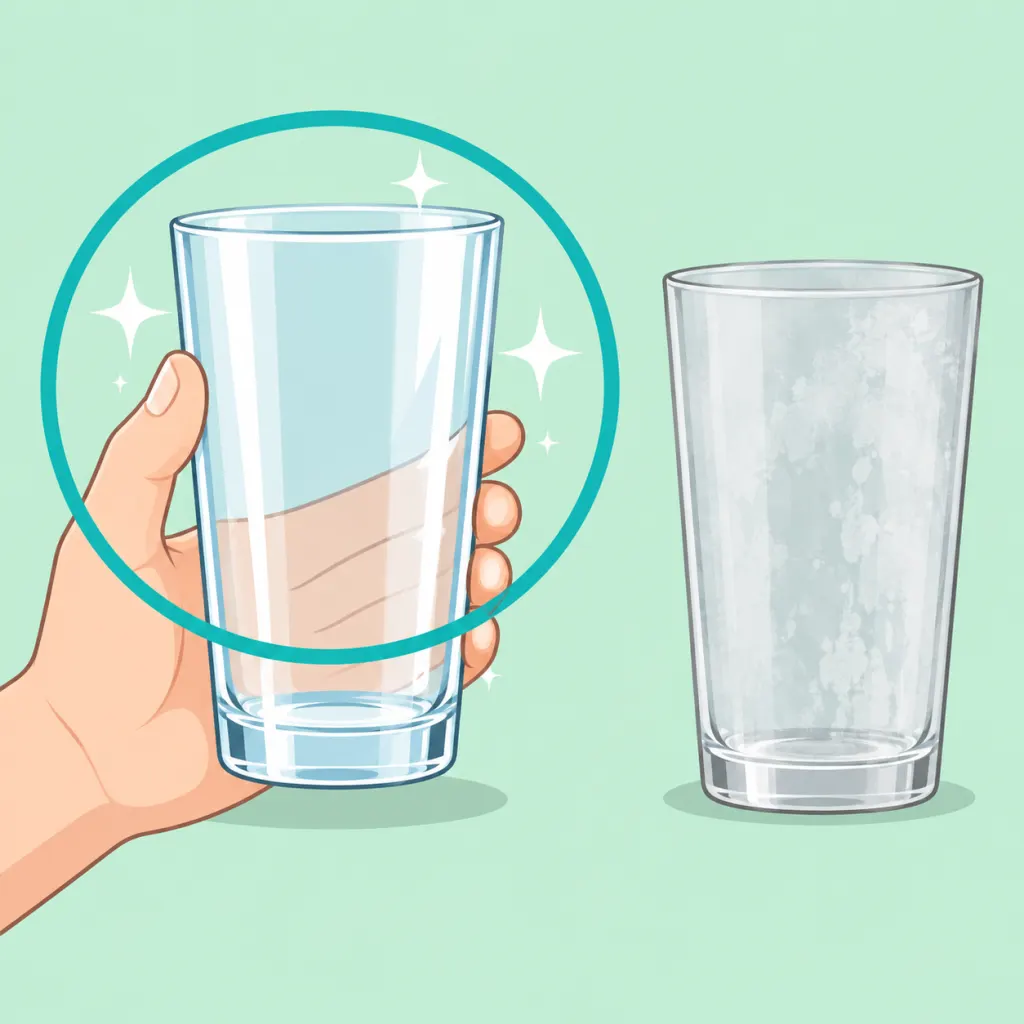
A white patina on drinking glasses is usually a mineral film left by hard water, but sometimes the glass itself has been permanently etched. This guide shows you how to tell the difference, remove removable deposits with white vinegar, and keep glasses clearer after washing.
Step 1: Test one cloudy spot with white vinegar
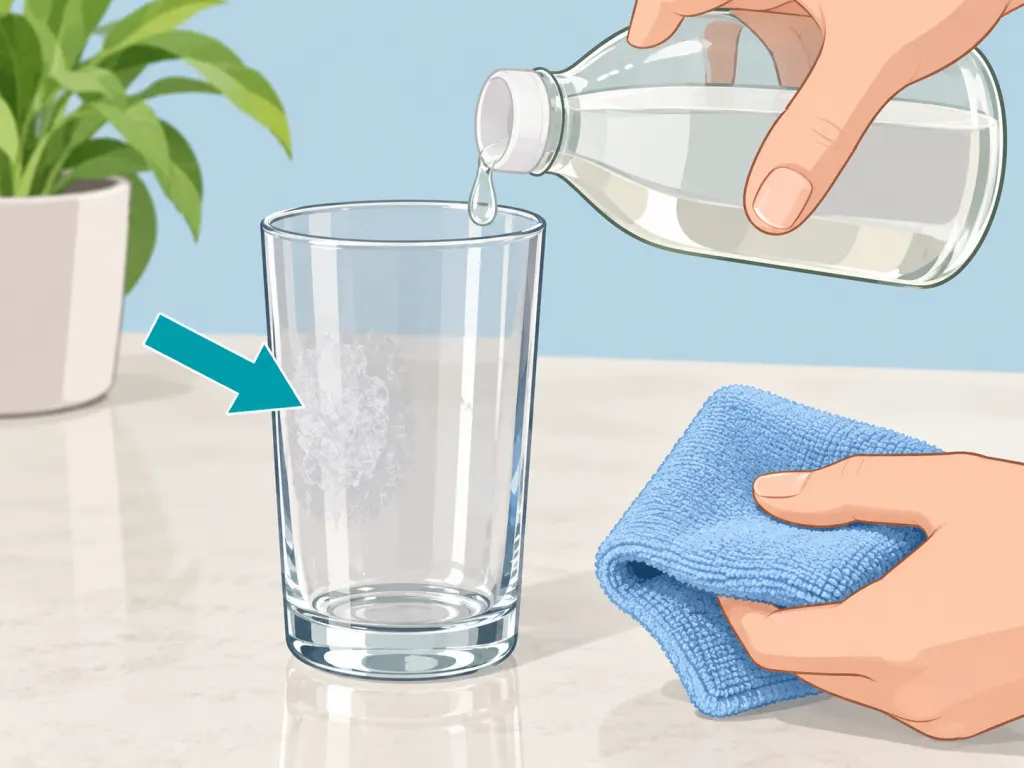
Put a few drops of white vinegar on a cloudy area and rub it gently with a soft cloth. Hard water is high in calcium and magnesium, and the USGS notes that hard-water residue commonly leaves spots or film on glassware. If the spot clears after rinsing and drying, it is removable mineral film; if it stays cloudy, the glass may be etched.
Step 2: Wash away loose residue first
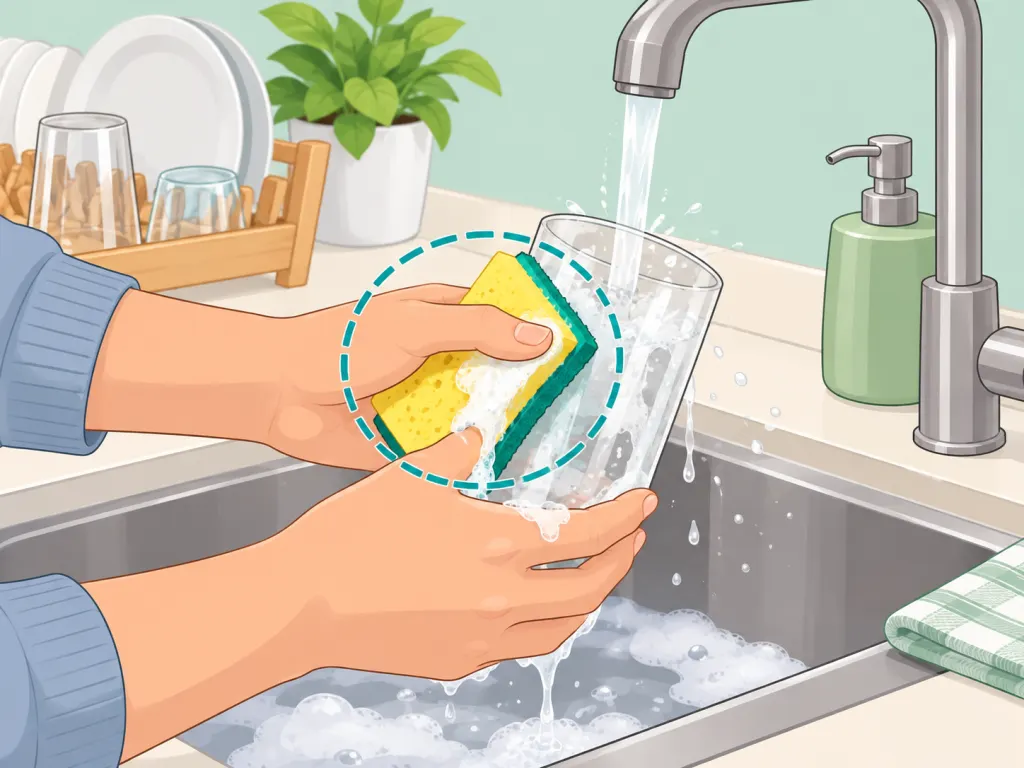
Rinse the glass under warm running water and wash it with a small amount of dish detergent before treating the white film. This removes grease and loose soil so the vinegar can reach the mineral deposit. Use a soft sponge or microfiber cloth instead of an abrasive pad.
Step 3: Soak the glass in warm diluted vinegar
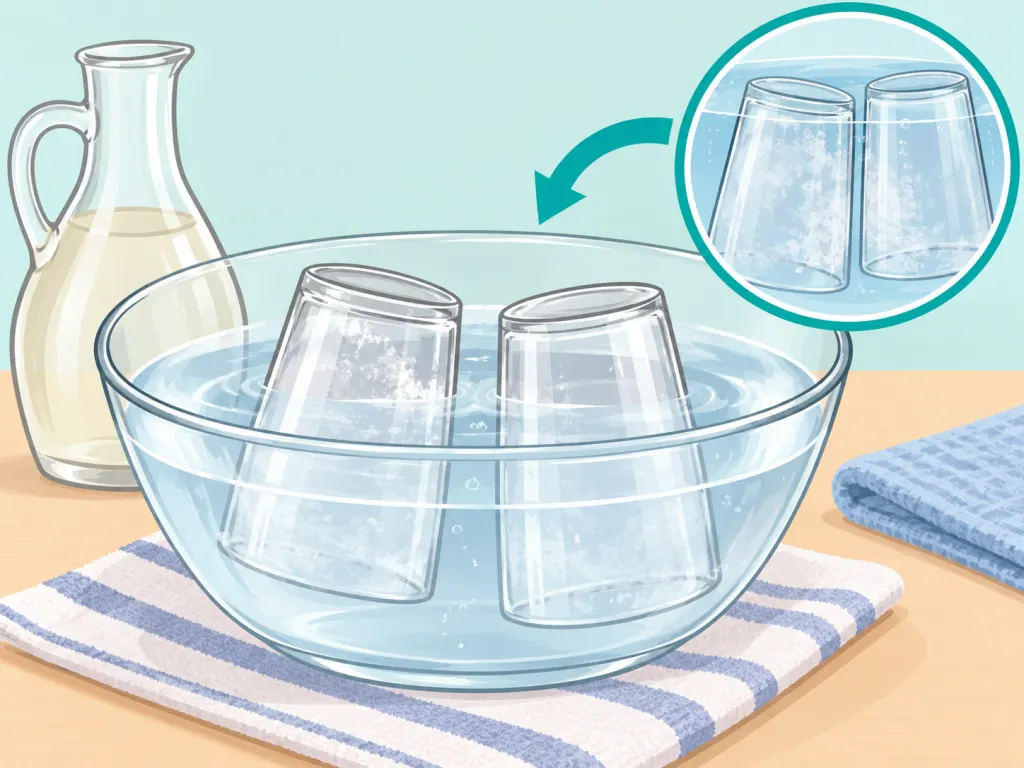
Fill a bowl or sink with equal parts warm water and white vinegar, then submerge the cloudy glasses for 15 to 30 minutes. Vinegar is acidic, and Utah State University Extension explains that acidic cleaners can neutralize alkaline hard-water scale. Keep metal-trimmed, painted, or decorated glassware out of long soaks unless the manufacturer says it is safe.
Step 4: Polish stubborn spots with a soft cloth
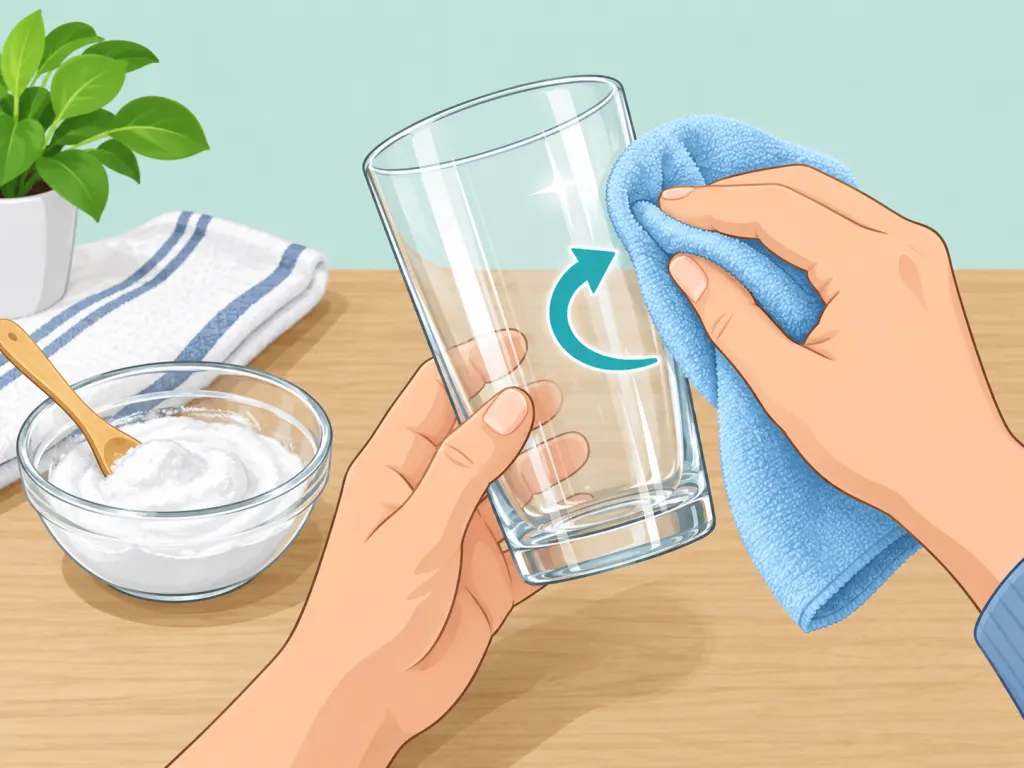
After soaking, rub the cloudy areas with a microfiber cloth or soft sponge. If a little film remains, make a loose paste with baking soda and water and polish very lightly; baking soda is described by USU Extension as a gentle non-abrasive cleanser. Stop if the glass feels gritty or looks scratched.
Rinse each glass well under warm water to remove vinegar and any polishing residue. The City of Lincoln advises rinsing thoroughly after using vinegar on mineral buildup and also notes that vinegar should be tested when a material may be sensitive to it. A thorough rinse also helps the glass look clear instead of streaky.
Step 6: Dry the glass right away
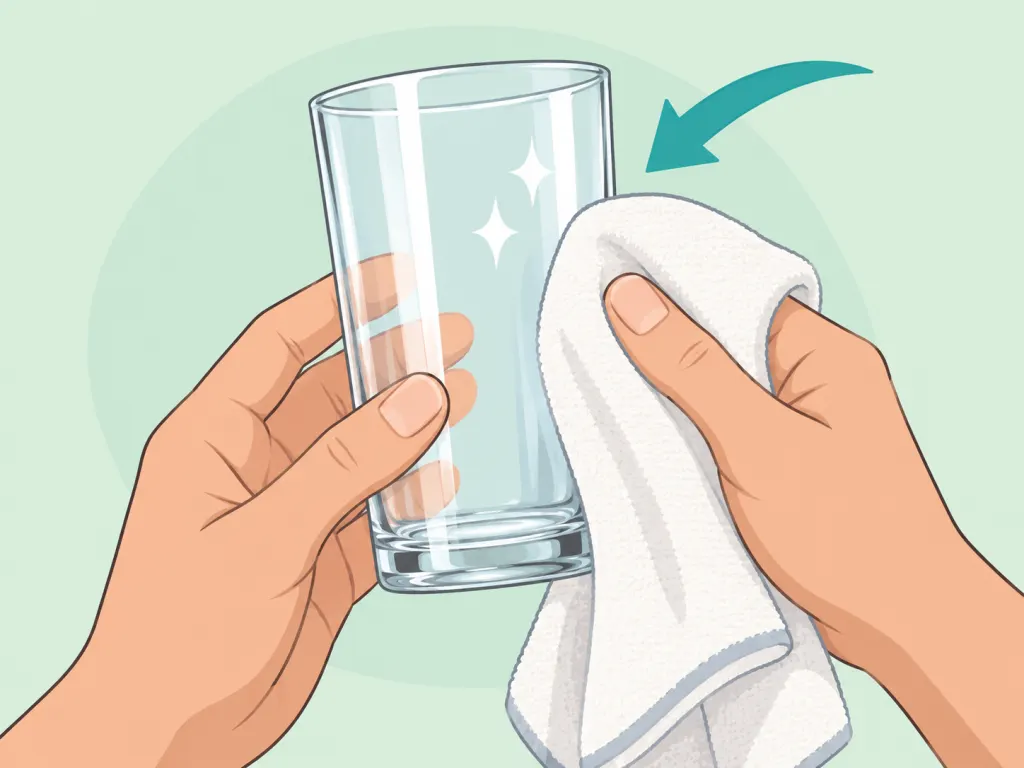
Use a clean, lint-free towel to dry the inside and outside of each glass immediately after rinsing. The City of Lincoln recommends towel-drying dishes so water does not evaporate and leave new spots behind. Hold the glass up to the light to check for any remaining film before putting it away.
Step 7: Adjust your dishwasher routine to prevent new film
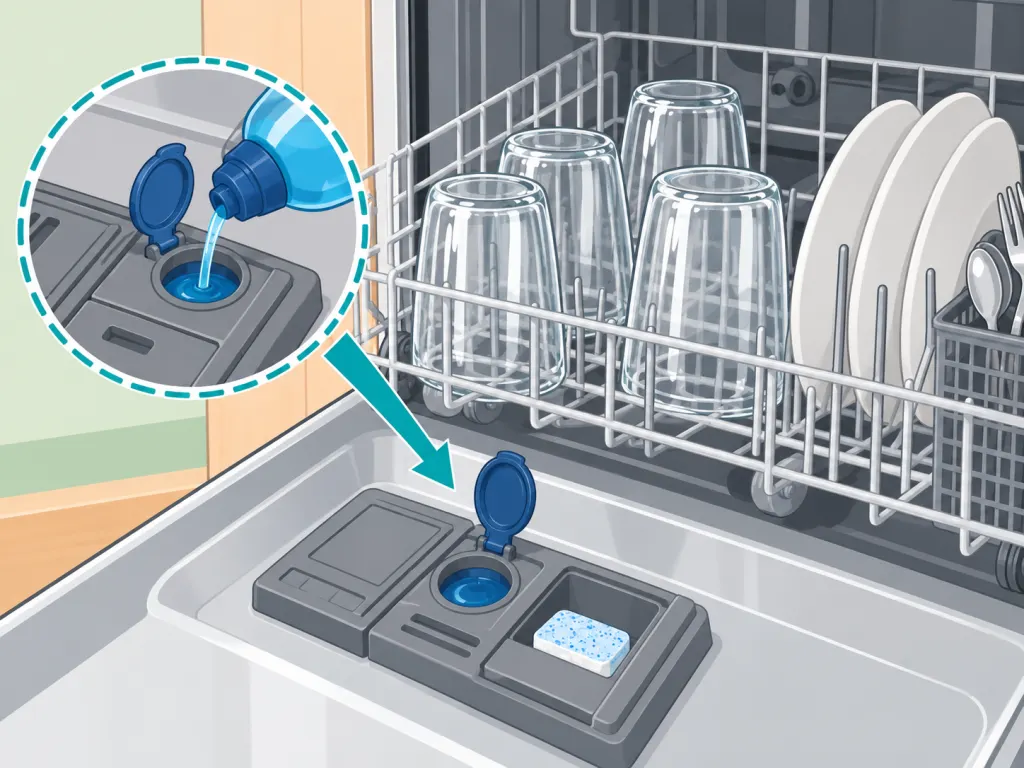
Use detergent made for your water conditions, avoid overfilling the detergent cup, and add rinse aid if your dishwasher has a dispenser. NCBI Bookshelf explains that rinse aids lower water surface tension to help drying and reduce glass spots, while the East Valley Water District also recommends rinse aids for white spots on dishes. Check your dishwasher manual for hard-water cleaning cycles or filter maintenance.
Step 8: Recognize when the cloudiness is permanent
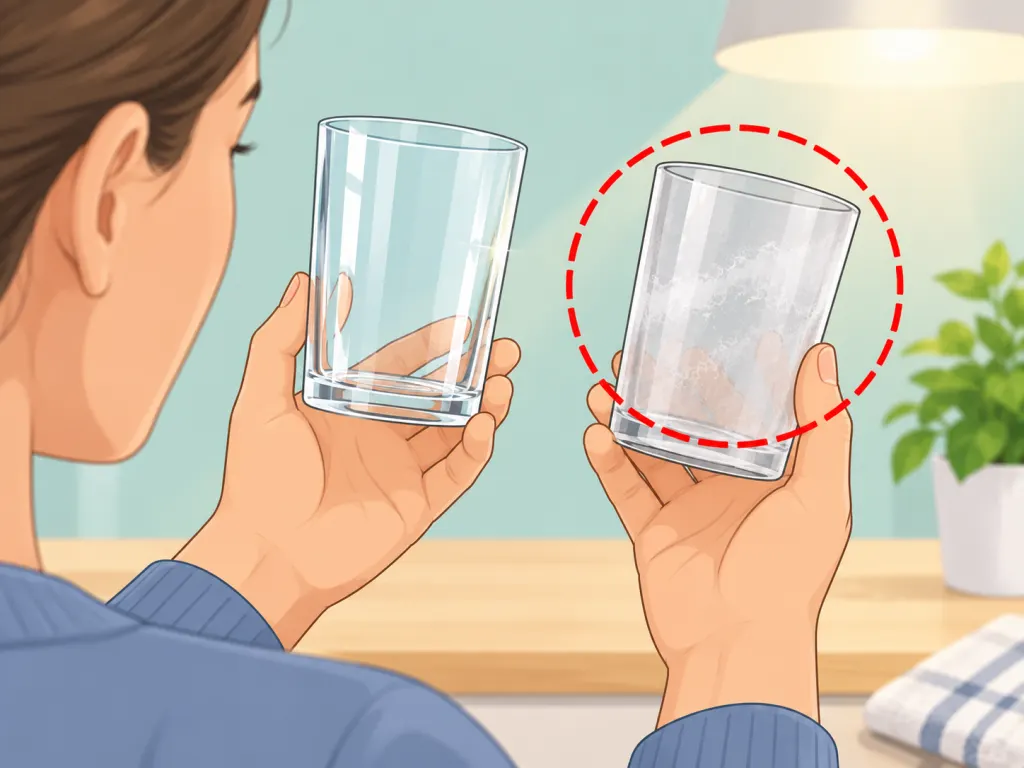
If the glass stays cloudy after vinegar soaking, polishing, rinsing, and drying, it may be etched rather than coated. The City of Lincoln describes etching as permanent surface damage linked with factors such as detergent amount, soft water, high temperatures, and washing habits. Keep etched glasses for casual use and focus on prevention for the rest of your set.
Wrap-Up
The bottom line: if vinegar clears the cloudy film, you can usually remove it with a soak, gentle polishing, and careful drying. If the cloudiness stays after cleaning, the glass may be etched, so prevention matters more than polishing.
Frequently Asked Questions
- → Why do my glasses have a white film after washing?
The most common cause is hard water, which contains dissolved minerals such as calcium and magnesium. When water dries on glass, those minerals can leave a white or cloudy residue.
- → Can vinegar fix cloudy glasses?
Vinegar can help when the cloudiness is mineral film because its acidity helps dissolve calcium-based deposits. It will not repair glass that has been etched or scratched.
- → How can I tell if cloudy glass is etched?
Rub a cloudy spot with white vinegar, rinse, and dry it. If the spot clears, it was likely mineral film; if it stays cloudy, the surface may be etched.
- → Should I use baking soda on drinking glasses?
A small amount of baking soda mixed into a wet paste can help polish stubborn film, but use a soft cloth and light pressure. Avoid gritty scrubbing pads, which can dull the glass.
- → Does air-drying make white spots worse?
It can. When water evaporates on the glass, minerals can remain behind, so drying glasses with a clean towel right after rinsing helps prevent spots.
- → How do I prevent white film in the dishwasher?
Use the detergent amount recommended for your machine and water conditions, add rinse aid if your dishwasher allows it, and follow the dishwasher manual for hard-water maintenance.
References
This content was developed and refined using reliable sources.
- https://www.usgs.gov/water-science-school/science/hardness-water
- https://www.lincoln.ne.gov/City/Departments/LTU/Utilities/LWS/Water-Quality/Taking-Care/Troubleshooting
- https://www.ag.ndsu.edu/waterquality/documents/hard-water-issues
- https://extension.usu.edu/archive/home-cleaning-chemicals
- https://www.eastvalleywater.gov/our-water/quality/water-quality-at-home/hard-water
- https://www.ncbi.nlm.nih.gov/books/NBK561665