 Save
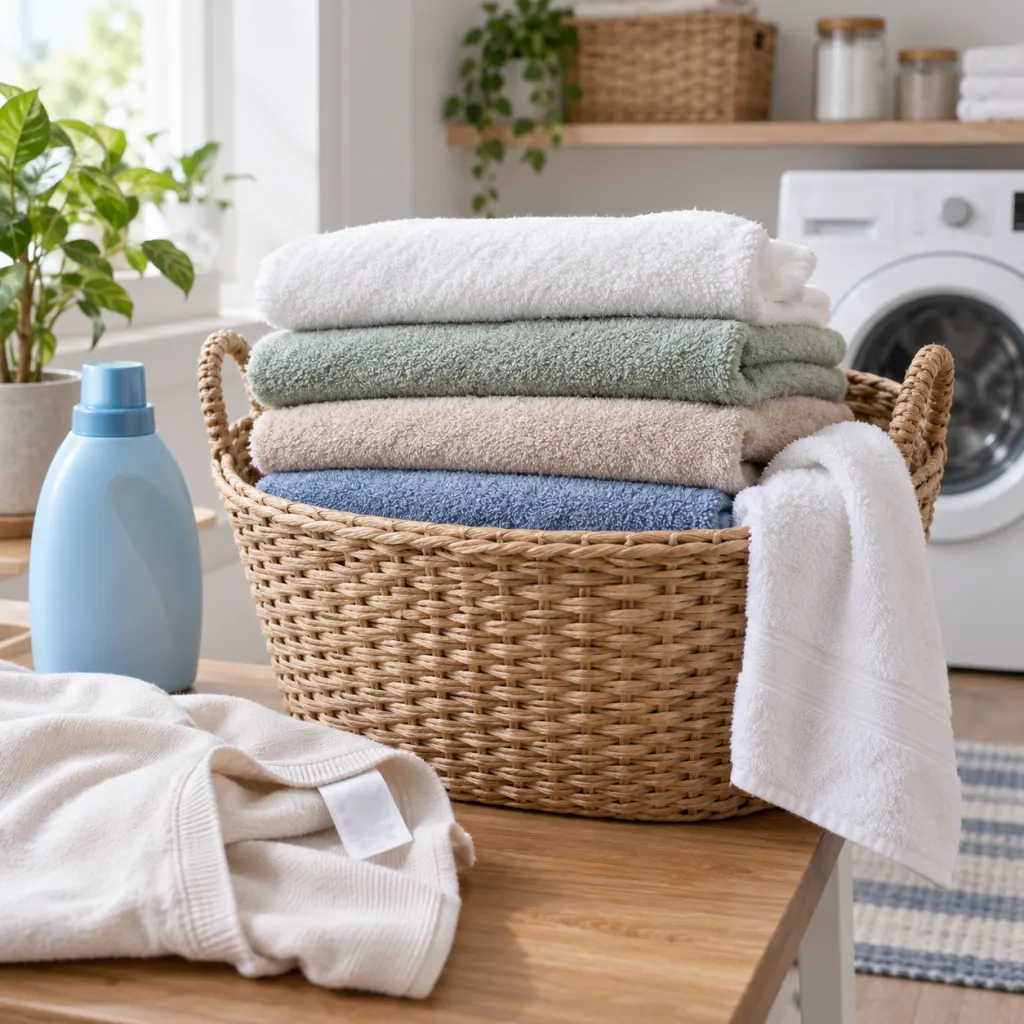
Fabric softener is bad for many laundry loads because it solves one problem, stiffness or static, by adding residue to fabric. That residue can make towels less absorbent, blunt the performance of athletic fabrics, leave greasy-looking marks, and complicate care for garments that have safety or special-finish requirements. The smarter approach is not to ban every softening product forever, but to stop treating it as a default. Use it only where the care label allows it, skip it on towels and performance textiles, and rely on better washing and drying habits for everyday softness.
What Fabric Softener Actually Does
Fabric softener is not a cleaner. Detergent is the part of the wash that lifts soil, oils, and many stains away from fabric. Softener is added later, usually in the rinse cycle or dryer, to change how the fabric surface feels. Its conditioning agents reduce friction between fibers, which can make some garments feel smoother and reduce static. That pleasant hand-feel is the reason people keep buying it.
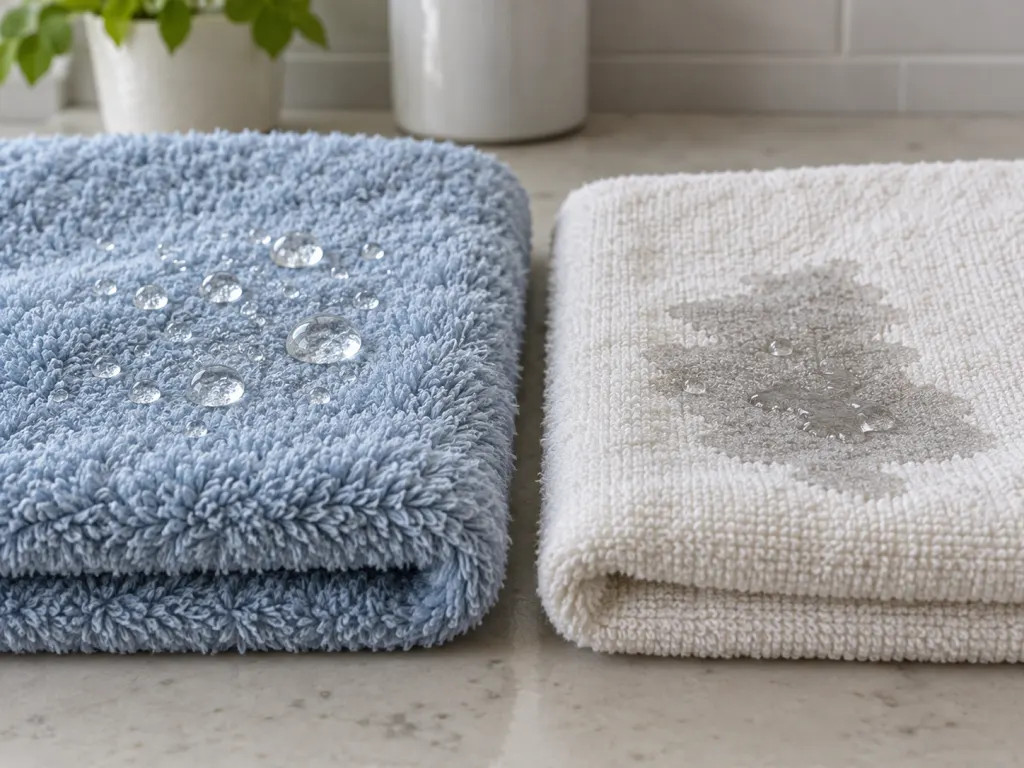
The trade-off is that the same surface effect can become a problem when the item needs to absorb water, wick moisture, hold a technical finish, or rinse completely clean. Cornell apparel specialist Fran Kozen advises against using softener on towels because a coating can build up over time and reduce absorbency; she also notes that moisture-wicking athletic care labels often warn against softener for similar reasons https://alumni.cornell.edu/cornellians/laundry-tips/. In other words, the issue is not that softener is always dramatic or instantly destructive. It is that repeated use can quietly make certain textiles worse at the job you bought them to do.
The Fabrics That Suffer First
Towels, dishcloths, bath mats, microfiber cloths, sportswear, and some sleepwear deserve special attention. These are not just ordinary pieces of cloth; they are designed to perform. Towels need open, absorbent fibers. Microfiber cleaning cloths need a fine surface that grabs dust and oils. Athletic shirts often use engineered knits and finishes that move sweat away from the skin. Softener residue can interfere with these functions even if the item still smells freshly laundered.
A good home rule is to separate laundry by function, not only by color. If an item is meant to absorb, wick, grip, or protect, skip the softener unless the care label clearly allows it. That simple choice helps avoid a common cycle: towels feel less useful, so the washer gets more detergent or more fragrance, which leaves more residue, which makes the fabric feel even less clean.
- Skip fabric softener on towels and washcloths when absorbency matters more than a perfumed feel.
- Skip it on microfiber cleaning cloths because residue can reduce the cloth's grabby texture.
- Skip it on moisture-wicking activewear if the tag warns against softeners or if the fabric holds odors after washing.
- Skip it on garments labeled flame resistant unless the label specifically permits it.
Residue Can Look Like a Stain Problem
Fabric softener can also create visible laundry trouble. The University of Georgia Cooperative Extension notes that undiluted softener poured directly onto fabric, or overuse of dryer softeners, can leave blue-gray, greasy-looking stains https://site.extension.uga.edu/textiles/care/stain-removal/remove-stains-from-fabric-softener-bluing/. Those marks can be confusing because they may appear after a normal wash, making people assume the washer failed or the detergent was too weak.
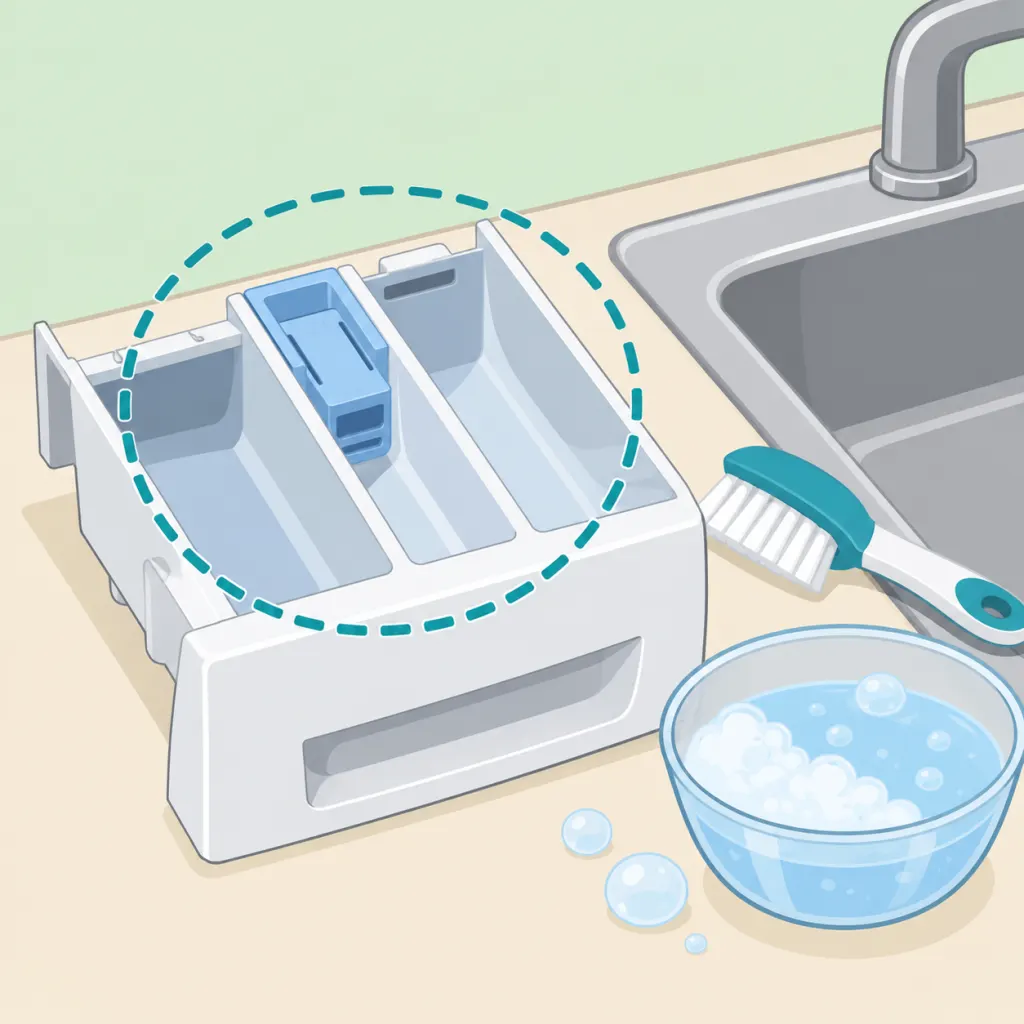
If this happens, the first fix is procedural. Do not pour liquid softener straight onto clothes. Use the dispenser if the machine has one, and keep that dispenser clean. Measure instead of free-pouring, because high-efficiency washers use less water and have less margin for excess product. If a load comes out with greasy spots, rewash before drying again; dryer heat can make many marks more stubborn. The goal is to remove residue, not cover it with more fragrance.
Care Labels Matter More Than Habit
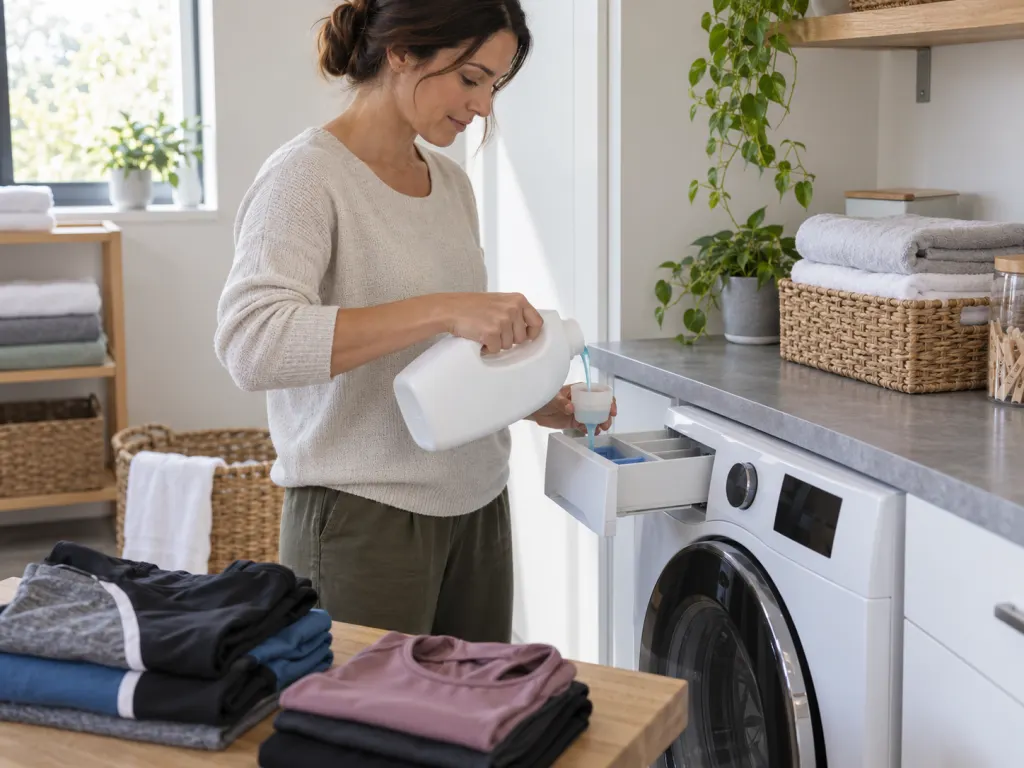
Care labels are not decorative tags. In the United States, the Federal Trade Commission's Care Labeling Rule requires covered textile apparel to provide regular care instructions, and labels must warn when a normal care procedure would harm the product or other items being washed with it https://www.ftc.gov/legal-library/browse/rules/care-labeling-textile-wearing-apparel-certain-piece-goods-text. That matters because fabric softener is often used on autopilot, while garment makers may have designed a finish, fiber blend, or construction that does not tolerate it well.
Children's sleepwear is a clear example of why laundry habits can become a safety issue. The Consumer Product Safety Commission explains that children's sleepwear above infant sizing must either meet flammability requirements or be tight-fitting under defined standards; loose traditional pajamas must meet sleepwear flammability testing requirements https://www.cpsc.gov/Business--Manufacturing/Testing-Certification/Testing/Childrens-Sleepwear-Lab-Bulletin. That does not mean every pajama problem is caused by softener. It means care instructions on sleepwear and flame-resistant garments deserve more authority than a household preference for a softer feel.
Fragrance Is a Separate Decision
Many people reach for softener because they want laundry to smell finished. Scent, however, is not the same thing as cleanliness. A towel can smell strongly perfumed and still be less absorbent than it should be. A shirt can smell floral and still hold body oils if the detergent amount, water temperature, load size, or rinse cycle was wrong.
Fragrance also deserves caution for people who already notice skin reactions around freshly washed clothing or bedding. MedlinePlus lists fabric softeners among substances that can contribute to irritant contact dermatitis, and lists fragrances among common allergens for allergic contact dermatitis https://www.medlineplus.gov/ency/article/000869.htm. The American Academy of Dermatology explains that fragrance is a common contact dermatitis trigger and that fragrance-free is different from unscented, because unscented products may still use masking scents https://www.aad.org/public/everyday-care/itchy-skin/rash/itchy-rash-contact-dermatitis. For households trying to simplify irritation clues, choosing fragrance-free laundry products can make the routine easier to evaluate.
Environmental Trade-Offs Are Not Only About Scent
Softener decisions also reach beyond the laundry room. The EPA notes that cleaning products can carry health and environmental concerns, including skin, eye, or respiratory irritation and toxicity concerns for aquatic species in waters receiving inadequately treated waste; it also advises caution with vague green claims and points consumers toward credible ecolabels https://www.epa.gov/greenerproducts/identifying-greener-cleaning-products. This does not mean every laundry product is equally risky. It means less unnecessary product down the drain is a reasonable home-care principle.
Quaternary ammonium compounds, a broad chemical class used in some consumer and commercial products, have been studied as an environmental concern. A peer-reviewed review in the National Library of Medicine's PubMed Central describes wastewater discharges as one pathway by which these compounds can reach aquatic ecosystems, while also noting that environmental behavior depends on the specific compound and conditions https://pmc.ncbi.nlm.nih.gov/articles/PMC10210541/. For a household, the practical takeaway is modest: avoid adding a product that the load does not need, and choose evaluated lower-hazard options when you do use laundry additives.
Better Ways to Keep Laundry Comfortable
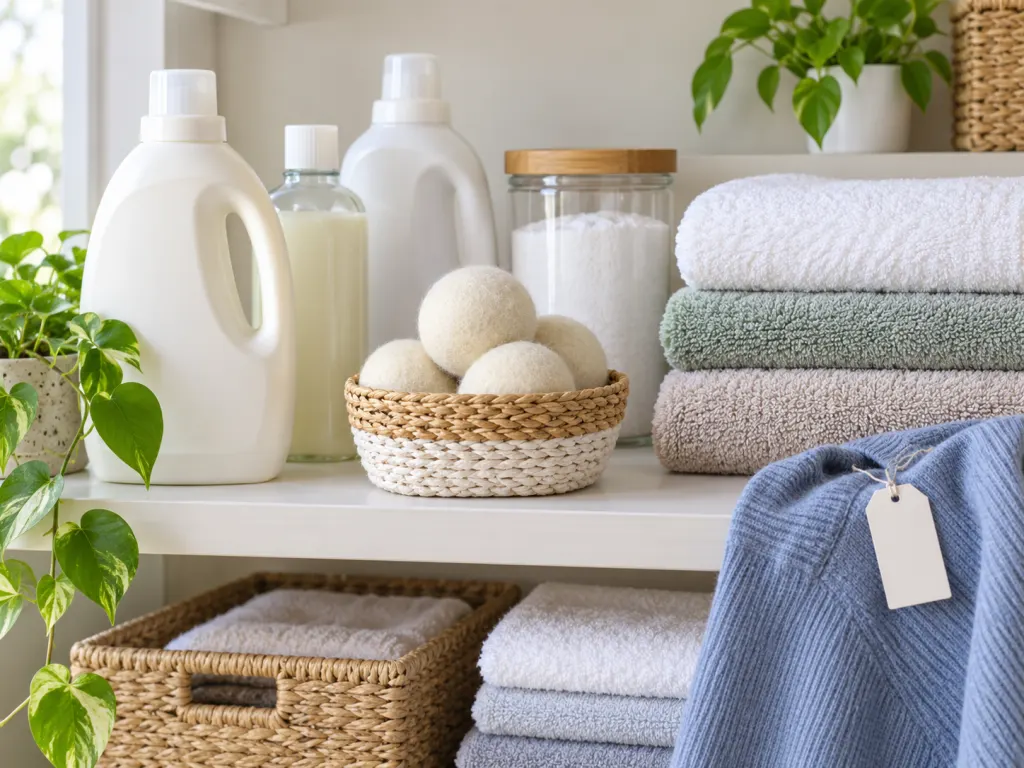
If you stop using fabric softener, your laundry does not have to become stiff or unpleasant. Start with the basics. Use the amount of detergent recommended for the load and water conditions; too much detergent can leave its own residue. Do not overload the washer, because clothes need room for water and mechanical action. Use an extra rinse for towels, bedding, or loads that feel slick after washing. Clean the softener dispenser and washer gasket, especially if you have used heavily scented products for years.
Drying choices matter too. Lower heat and prompt removal from the dryer reduce harshness and wrinkles. Dryer balls can help separate bulky items, though they are not magic; their main value is improving airflow. For towels, drying until fully dry but not scorching hot helps preserve a softer feel without coating the fibers. For line-dried items that feel crisp, a short no-heat or low-heat tumble can loosen them before folding.
If you want a product-based alternative, look for a laundry detergent or additive that matches the real problem. The EPA's Safer Choice program certifies products that meet its safer-ingredient standard, and the EPA product search includes a filter for fragrance-free products verified under its criteria https://www.epa.gov/saferchoice/products. The EPA standard also explains that qualifying fragrance-free products are reviewed to confirm they contain no fragrance materials https://www.epa.gov/saferchoice/standard.
A Simple Laundry Reset
For two weeks, wash without fabric softener and watch what changes. Wash towels separately with measured detergent, avoid overfilling the machine, and use a full rinse. Wash activewear inside out, soon after wearing, and follow the care tag. Wash regular cotton clothing with detergent only, then dry on low or medium heat. If static becomes the only remaining issue, address static directly by reducing overdrying, separating synthetics from heavy cottons, or using a product only on loads where the label permits it.
This reset is useful because it replaces a vague habit with evidence from your own laundry. Towels may start absorbing better after several washes. Activewear may release odors more reliably. The washer dispenser may stay cleaner. Or you may find that a small amount of softener on a limited load is acceptable for your household. The point is control: use fabric softener as an occasional choice, not as a default ingredient in every rinse.
Wrap-Up
Fabric softener is often unnecessary because it adds a surface-conditioning layer rather than cleaning fabric. That layer can be the reason towels absorb less, activewear performs poorly, greasy marks appear, or care-label warnings are ignored. The most reliable replacement is a cleaner routine: measured detergent, enough rinse water, correct sorting, lower dryer heat, and fragrance-free or evaluated lower-hazard products when ingredient concerns matter. Keep softener away from towels, microfiber, moisture-wicking garments, and flame-resistant items unless the label clearly says otherwise.
Frequently Asked Questions
- → Is fabric softener bad for every load of laundry?
No. The concern is strongest for items that need to absorb, wick, clean, or meet a specific care requirement. Towels, microfiber cloths, activewear, and flame-resistant garments are better washed without softener unless the care label says otherwise. For ordinary clothes, occasional use may be acceptable, but it should not replace good washing habits.
- → Why do towels stop absorbing well after fabric softener?
Softener works by changing the fabric surface. On towels, repeated use can leave a coating that makes fibers feel smooth but less eager to take up water. If towels feel slick, smell musty quickly, or push water around instead of drying, wash them for several cycles with measured detergent and no softener.
- → Can fabric softener cause greasy spots on clothes?
Yes. Undiluted liquid softener poured directly on fabric, or too much dryer softener, can leave blue-gray or greasy-looking marks. Use the dispenser, measure carefully, and keep softener away from direct contact with clothes. Rewash marked items before applying more dryer heat.
- → What should I use instead of fabric softener?
Start with process changes: use the right detergent amount, avoid overloading, add an extra rinse when needed, dry on lower heat, and remove laundry promptly. If ingredient concerns matter, look for fragrance-free products and credible ecolabels such as EPA Safer Choice rather than relying on vague green claims.
- → Is fragrance-free the same as unscented?
No. Fragrance-free means fragrance materials are not used. Unscented can mean a product contains ingredients that mask odor. For people trying to identify whether scent ingredients are bothering their skin or household air comfort, fragrance-free is the clearer label to look for.
References
This content was developed and refined using reliable sources.
- https://alumni.cornell.edu/cornellians/laundry-tips
- https://site.extension.uga.edu/textiles/care/stain-removal/remove-stains-from-fabric-softener-bluing
- https://www.ftc.gov/legal-library/browse/rules/care-labeling-textile-wearing-apparel-certain-piece-goods-text
- https://www.cpsc.gov/Business--Manufacturing/Testing-Certification/Testing/Childrens-Sleepwear-Lab-Bulletin
- https://www.medlineplus.gov/ency/article/000869.htm
- https://www.aad.org/public/everyday-care/itchy-skin/rash/itchy-rash-contact-dermatitis
- https://www.epa.gov/greenerproducts/identifying-greener-cleaning-products
- https://pmc.ncbi.nlm.nih.gov/articles/PMC10210541
- https://www.epa.gov/saferchoice/products
- https://www.epa.gov/saferchoice/standard