 Save
A 15-day routine of rosemary tea on an empty stomach is best viewed as a beverage experiment, not a proven health plan. Rosemary is a culinary herb and a botanical used in teas and infusions, but there is no solid evidence that drinking it before breakfast for exactly 15 days produces special results. If you enjoy the flavor and it sits well with you, it may fit into a morning routine; if it causes discomfort or encourages you to delay needed food or care, it is not worth forcing.
The useful question is not “what dramatic change will happen next?” It is “what can this habit reasonably tell me?” Over two weeks, you may learn whether the taste, aroma, warmth, and ritual are pleasant, whether drinking herbal tea before food feels comfortable, and whether the routine helps you replace a less useful morning choice. That is different from claiming that rosemary tea can alter health on a schedule. For a related look at morning beverage claims, see Drinking Water on an Empty Stomach: What to Know.
The Short Answer Before You Start
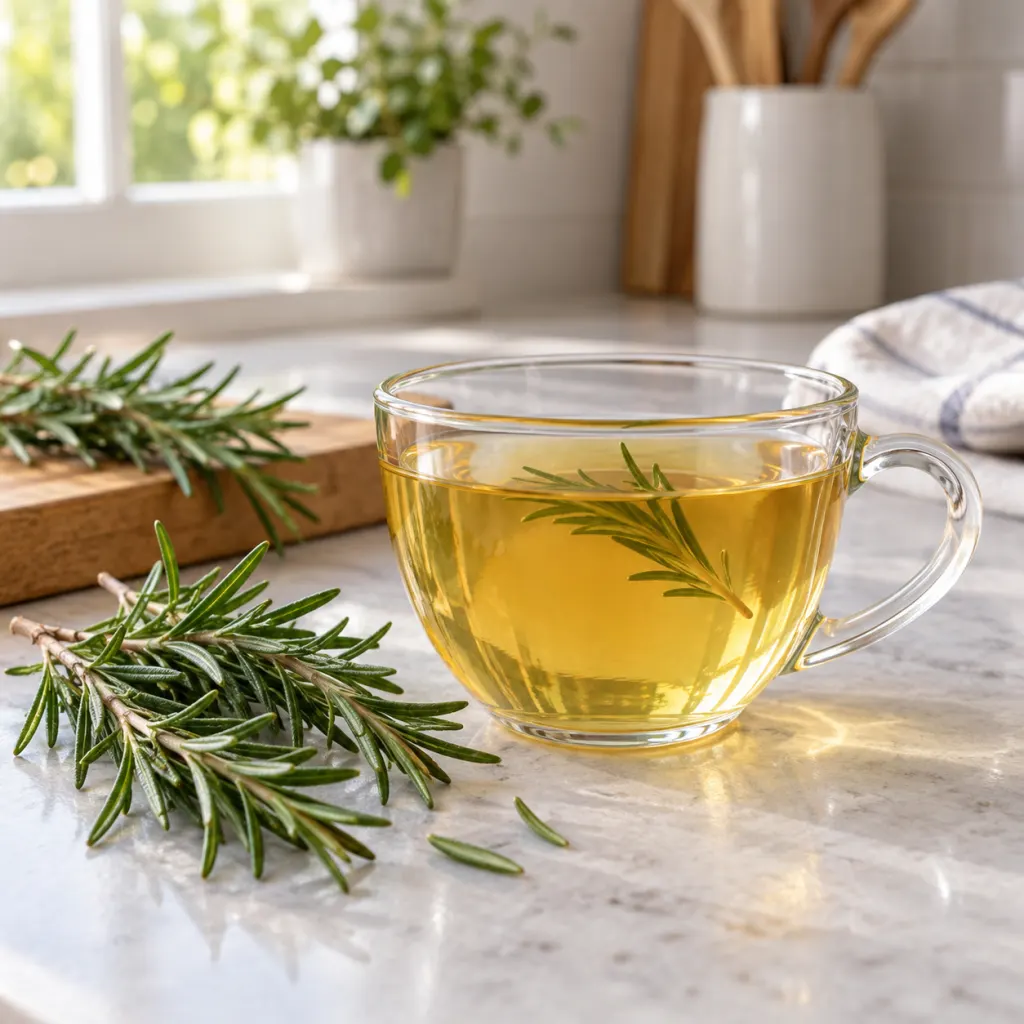
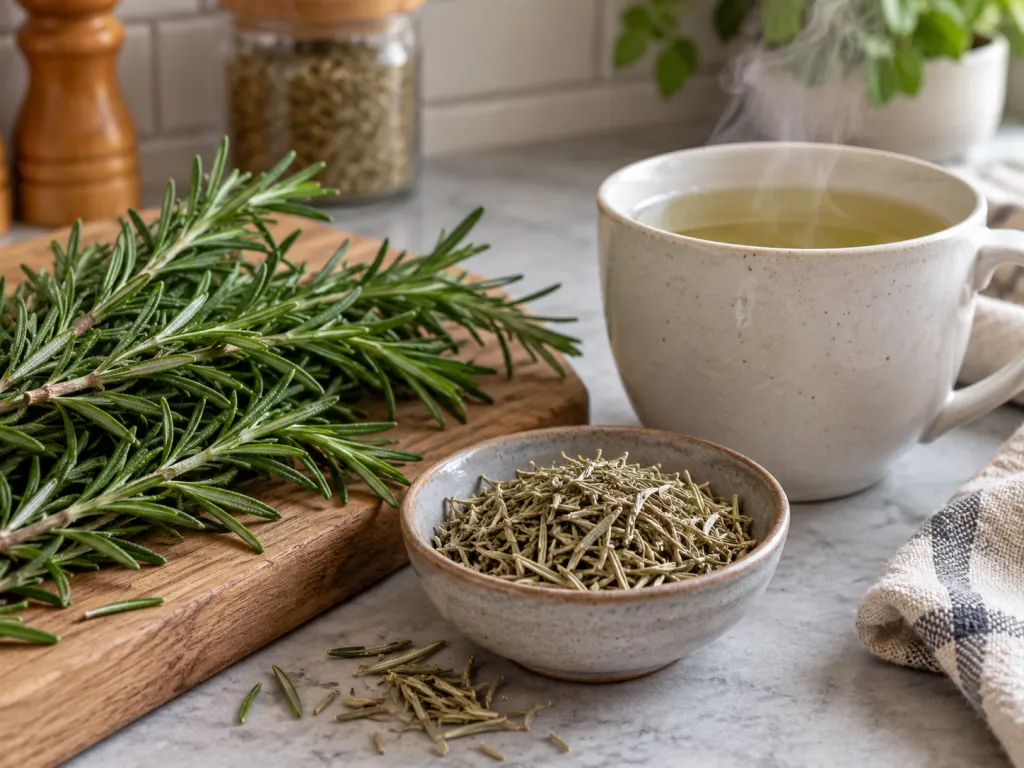
Rosemary tea is made by steeping rosemary leaves in hot water. The Office of Dietary Supplements explains that botanical preparations can include teas, infusions, tinctures, and extracts, and that these forms can differ in strength and composition ODS. That distinction matters because a mild cup of tea is not the same as a concentrated extract or essential oil. A social media routine that sounds precise can make the practice feel more scientific than it is.
What Rosemary Brings to a Cup
Rosemary, botanically known as Rosmarinus officinalis and also classified as Salvia rosmarinus, is valued for flavor and scent as well as its history as a botanical. A review of rosemary chemistry describes several important plant compounds in rosemary, including rosmarinic acid, carnosic acid, carnosol, volatile aromatic compounds, and other phenolic compounds PMC review. In everyday kitchen terms, those compounds help explain why rosemary tastes piney, resinous, and strong even when only a small sprig is used.
That chemistry does not automatically translate into a predictable effect from a cup of tea. Hot water extracts some water-friendly compounds from the leaves, while other rosemary preparations are made very differently. Fresh leaves, dried leaves, tea bags, and bottled rosemary waters may not be comparable. The FDA also notes that products sold as dietary supplements can appear in many forms, including liquids and powders, and that teas may fall into a supplement category depending on how they are represented FDA.
What Research Can and Cannot Say
One small randomized study in healthy adults compared a commercially available rosemary water with plain mineral water. The study involved 80 adults and looked at short-term cognitive tasks, mood measures, and near-infrared spectroscopy readings after a single serving of rosemary water PubMed. The authors reported small short-term differences in that research setting. This is interesting, but it is not the same as proving that home-brewed rosemary tea before breakfast creates a clear 15-day pattern.
The gap between “a study noticed a short-term signal” and “a morning tea routine will do something specific for me” is large. Research products may be standardized, measured, and compared under controlled conditions. A home cup varies with leaf freshness, steeping time, water temperature, and the person drinking it. The evidence also does not establish that an empty stomach is the meaningful factor. Timing may change how a drink feels in your stomach, but that is not proof of a unique benefit.
Why the Empty-Stomach Detail Gets Overstated
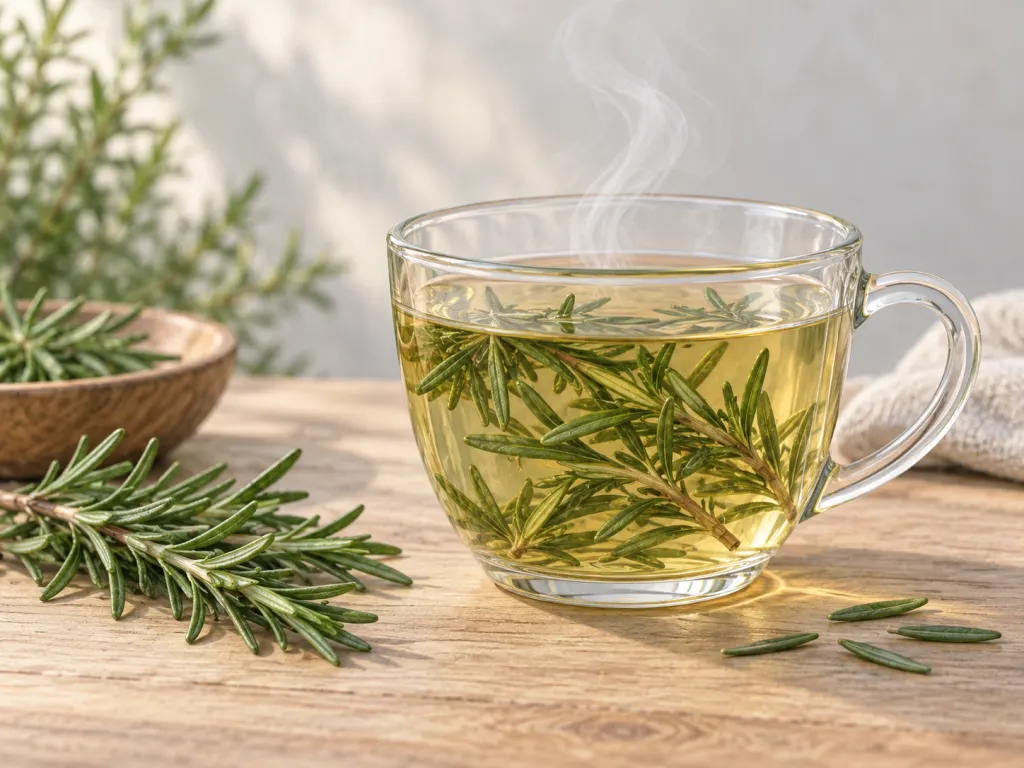
Empty-stomach routines are popular because they feel orderly: one ingredient, one time of day, one span of days. That simplicity is appealing, but it can hide practical questions. Are you drinking it because you like the taste, or because you expect a body-wide reset? Are you eating breakfast later because you choose to, or because the routine makes you ignore hunger? Are you comparing rosemary tea with your usual morning coffee, sweet drink, or no drink at all?
MedlinePlus warns readers that “natural” does not automatically mean safe and that herbal products may not work as claimed MedlinePlus. NCCIH similarly notes that the amount of scientific evidence varies widely across supplements, and that products sold in stores or online may differ from products used in research NCCIH. The careful conclusion is simple: empty-stomach timing is a personal comfort detail, not a verified switch that makes rosemary tea behave in a special way.
How to Think Through a 15-Day Trial
If you are a generally healthy adult and rosemary tea agrees with you, a short routine can be approached like any other food habit: modest, observable, and easy to stop. Instead of looking for dramatic signs, pay attention to ordinary signals. A useful self-check might include:
- whether the drink feels comfortable before food;
- whether the flavor is pleasant enough to keep without sweetening heavily;
- whether it replaces, rather than adds to, a morning drink you already use;
- whether you still eat enough and hydrate normally through the day;
- whether any unwanted stomach, skin, or general reaction appears.
Keep the routine boring on purpose. Do not stack several new herbal products at once, because then you will not know which one caused a change in how you feel. Do not use a short tea habit as a reason to postpone breakfast if you are hungry, and do not treat the 15th day as a deadline for a promised result. A modest routine should make your morning easier, not more anxious.

Quality and Label Clues Matter
If you buy packaged rosemary tea, read the label as carefully as you would read any other product. Check whether rosemary is the only botanical or whether the blend includes other herbs, tea leaves, sweeteners, flavorings, or extracts. MedlinePlus notes that dietary supplements do not go through the same testing pathway as drugs, and labels may not always provide the full picture a consumer expects MedlinePlus dietary supplements. A simple culinary herb from a reputable food source is easier to understand than a blend with many active-sounding additions.
Home preparation has its own common-sense rules. Use clean leaves from a food-safe source, rinse fresh rosemary well, and avoid plants exposed to garden chemicals or unknown roadside conditions. If the tea tastes harsh, soapy, unusually bitter, or stale, do not force it. The goal is a pleasant infusion, not a test of endurance. Because rosemary is strongly aromatic, a little can go a long way in flavor.
Who Should Be More Cautious
Some readers should be extra cautious with any repeated botanical routine. That includes people with ongoing health concerns, people using regular pharmacy products, anyone who has reacted badly to herbs in the past, and people preparing tea for children or frail older adults. This does not mean rosemary tea is automatically a problem; it means a repeated herbal habit belongs in the bigger context of the person’s life and care.
A Practical Bottom Line
Rosemary tea can be enjoyable, especially if you like savory, piney flavors and warm drinks in the morning. What it cannot honestly offer is a guaranteed 15-day transformation, and the empty-stomach detail should not be treated as a magic timing rule. If you try it, keep the routine simple, stop if it does not suit you, and judge it by realistic markers: comfort, taste, and whether it supports a calmer morning.
Wrap-Up
Rosemary tea is a botanical infusion with a long culinary history and interesting plant chemistry, but the evidence does not show that drinking it on an empty stomach for exactly 15 days creates special effects. A short routine may help you learn whether the drink fits your morning, but it should remain a modest food habit. Choose simple products, avoid concentrated forms, listen to your body, and ask a qualified health professional when personal health factors make the decision less straightforward.
Frequently Asked Questions
- → Does rosemary tea have to be taken on an empty stomach?
No strong evidence shows that empty-stomach timing is necessary. Some people simply prefer warm herbal tea before breakfast, while others feel better drinking it with or after food. Comfort is the better guide.
- → What should I realistically notice during a 15-day rosemary tea routine?
Look for ordinary feedback: whether you like the flavor, whether it feels comfortable before food, whether it helps you keep a calmer morning drink habit, and whether any unwanted reaction appears. Do not expect a guaranteed body change on a fixed timeline.
- → Is rosemary tea the same as rosemary essential oil?
No. Rosemary tea is a water-based infusion made from leaves. Essential oil is a concentrated product and should not be treated like a beverage ingredient.
- → Can I sweeten rosemary tea?
Yes, if that makes it more pleasant, but keep the purpose clear. If the cup needs a lot of sugar or syrup to taste good, it may no longer be the simple herbal drink you intended.
- → When should I ask a professional before making it a routine?
Ask a doctor or qualified health professional if you have ongoing health concerns, use regular pharmacy products, have reacted poorly to herbs before, or want to make rosemary tea part of a longer daily routine.
References
This content was developed and refined using reliable sources.
- https://ods.od.nih.gov/factsheets/BotanicalBackground-Consumer
- https://pmc.ncbi.nlm.nih.gov/articles/PMC5905578
- https://www.fda.gov/food/information-consumers-using-dietary-supplements/questions-and-answers-dietary-supplements
- https://pubmed.ncbi.nlm.nih.gov/30318972
- https://www.medlineplus.gov/ency/patientinstructions/000868.htm
- https://www.nccih.nih.gov/health/dietary-and-herbal-supplements
- https://www.medlineplus.gov/dietarysupplements.html