 Save
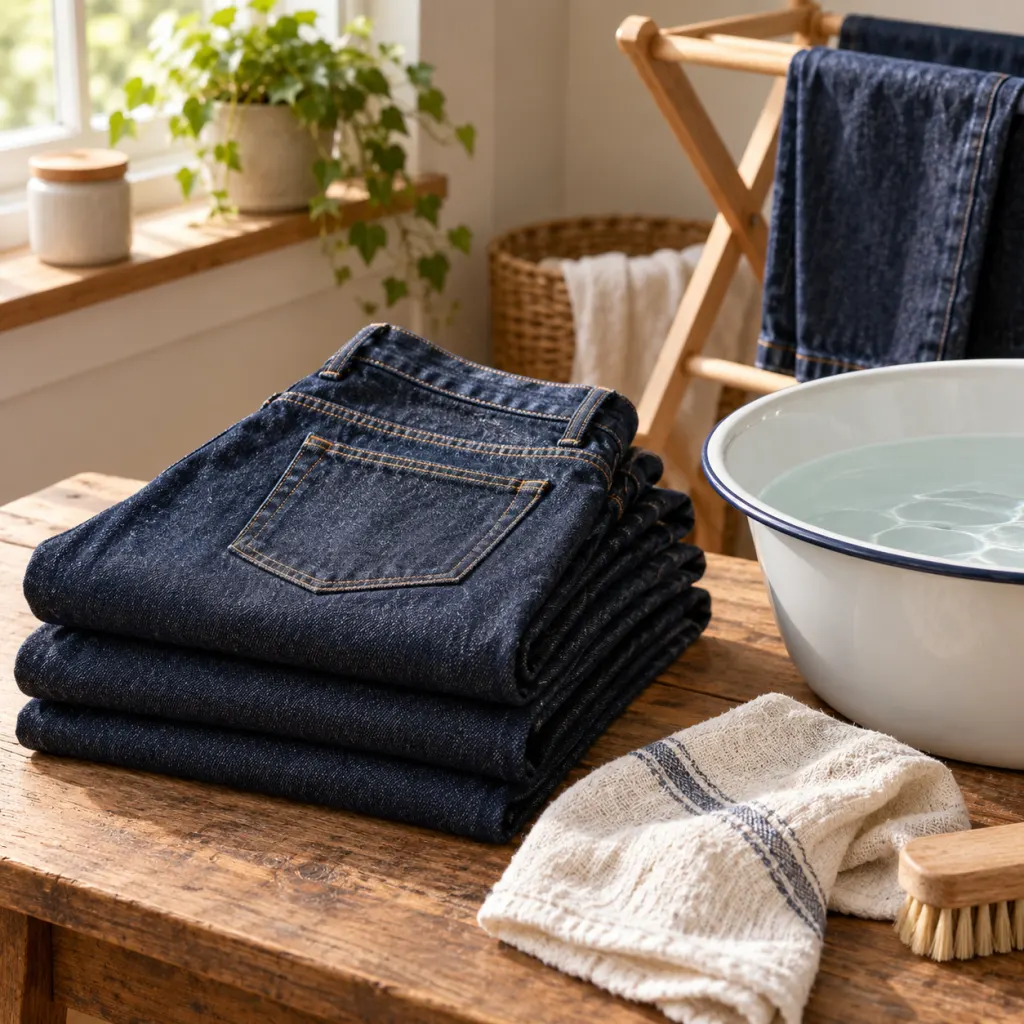
The short answer: Chip Bergh, the former CEO of Levi Strauss & Co., became known for telling people to wash jeans less because frequent machine washing uses water and energy, creates wear on fabric, and can fade or soften denim faster than many wearers want. In a 2024 Knowledge at Wharton interview, Bergh said he prefers spot cleaning or hand washing for good denim, while acknowledging that jeans sometimes do need a proper wash https://knowledge.wharton.upenn.edu/article/former-levis-ceo-on-revitalizing-a-brand-and-how-to-wash-jeans/. The useful takeaway is not a rigid ban on laundry. It is a more thoughtful habit: clean what needs cleaning, use gentler methods when you can, and save the machine for the times jeans are genuinely dirty.
What Bergh Actually Meant
The famous jeans advice is easy to flatten into a shock headline, but the underlying idea is fairly ordinary: denim does not always need the same wash-after-every-wear routine that people may use for T-shirts, socks, or workout clothes. Bergh’s point, as summarized by Knowledge at Wharton, was that denim enthusiasts often avoid machine washing because agitation can be rough on cotton fibers, and because washing uses significant water. He described spot cleaning and hand washing as his preferred approach for good-quality jeans, with a more thorough cleaning when the garment really needs it https://knowledge.wharton.upenn.edu/article/former-levis-ceo-on-revitalizing-a-brand-and-how-to-wash-jeans/.
That distinction matters. “Wash less” is not the same as “ignore dirt.” Jeans pick up food spots, dust, body oils, rainwater, and everyday grime. A pair worn for a desk day is different from a pair worn while gardening, traveling, cooking over a smoky grill, or walking through mud. The better question is not whether jeans should ever be washed. It is whether the whole garment needs a full machine cycle today, or whether a smaller intervention would solve the problem with less wear on the fabric.
The Laundry Impact Behind the Advice
Laundry is one of the few parts of a garment’s life cycle that the owner controls directly. ENERGY STAR notes that the average American family washes about 300 loads of laundry each year, and that certified clothes washers use about 20 percent less energy and about 30 percent less water than regular washers https://www.energystar.gov/products/clothes_washers. That does not mean every jeans wash is wasteful; clean clothes are part of normal home care. It does mean that repeated small, lightly soiled loads add up, especially when warm water and machine drying are used by habit rather than need.
Water temperature is another part of the story. ENERGY STAR explains that water heating consumes about 90 percent of the energy used to operate a clothes washer, and that cold water generally cleans well unless the load includes oily stains https://www.energystar.gov/products/clothes_washers. For denim, cold water also has a practical wardrobe benefit: it is gentler for dark colors and reduces the thermal stress that can contribute to shrinking or changes in texture. If the care label allows washing, cold water is usually the starting point for a lower-impact denim routine.
Why Denim Changes in the Wash
Jeans are not static objects. The fabric softens, creases, fades, stretches, and molds to repeated movements. Many denim lovers value those changes when they happen slowly through wear. Machine washing speeds up some of that evolution because it combines water, detergent, friction, spinning, and sometimes heat. None of those forces is unusual in laundry; they are exactly how washers remove soil. But they can also abrade the surface of indigo-dyed cotton, lighten high-friction areas, and loosen the crisp feel that some people like in newer denim.
The Federal Trade Commission’s care-label guidance is a useful guardrail here. U.S. care labels must give instructions that manufacturers have a reasonable basis to support, including washing method, drying method, temperature guidance when needed, and warnings for procedures that may harm the product https://www.ftc.gov/business-guidance/resources/clothes-captioning-complying-care-labeling-rule. In plain terms, the tag inside the jeans matters more than any celebrity or executive laundry rule. Raw denim, stretch denim, embellished jeans, black jeans, and heavily finished denim may all have different care needs.
A Practical Wash-Less Routine
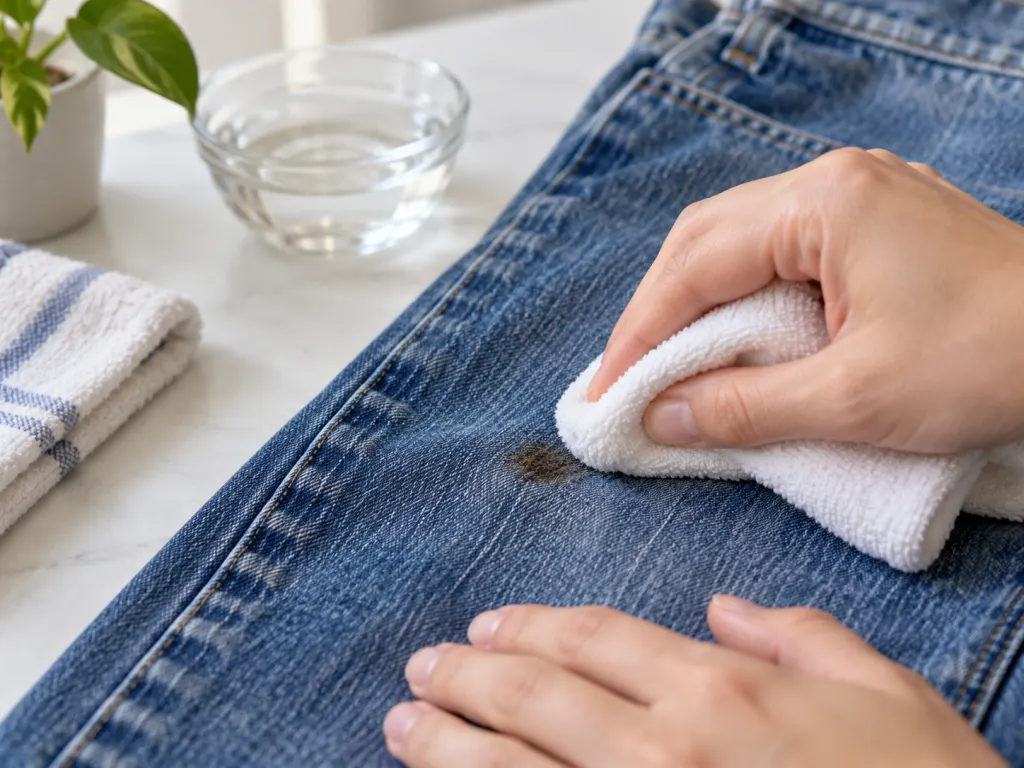
A sensible denim routine begins with inspection, not a calendar. If the jeans look clean, smell neutral, and feel comfortable, airing them out may be enough. Hang them where air can circulate rather than folding them immediately into a drawer. If there is a small splash of sauce, mud, or coffee, treat that area instead of washing the entire garment. Use a clean damp cloth and a tiny amount of mild detergent if needed, working gently from the outside of the mark toward the center. Rinse the spot with another damp cloth so detergent residue does not dry into the fabric.
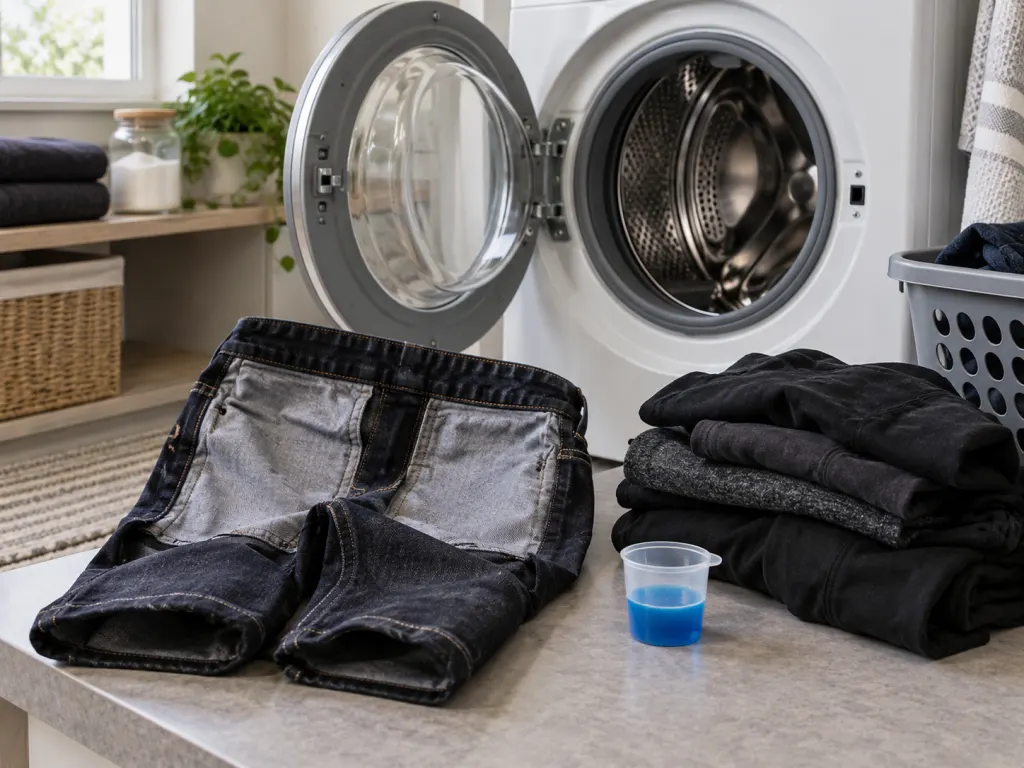
When jeans need a full wash, the gentlest useful method is usually best. The exact steps depend on the label, but the general routine is simple:
- Read the care label before choosing hand wash, machine wash, or dry cleaning.
- Empty pockets, close zippers, and turn jeans inside out to reduce surface abrasion.
- Wash dark jeans with similar colors, especially during the first few washes.
- Use cold water when the care label allows it.
- Choose a short or gentle cycle for lightly soiled jeans.
- Use a modest amount of detergent; more detergent is not automatically better.
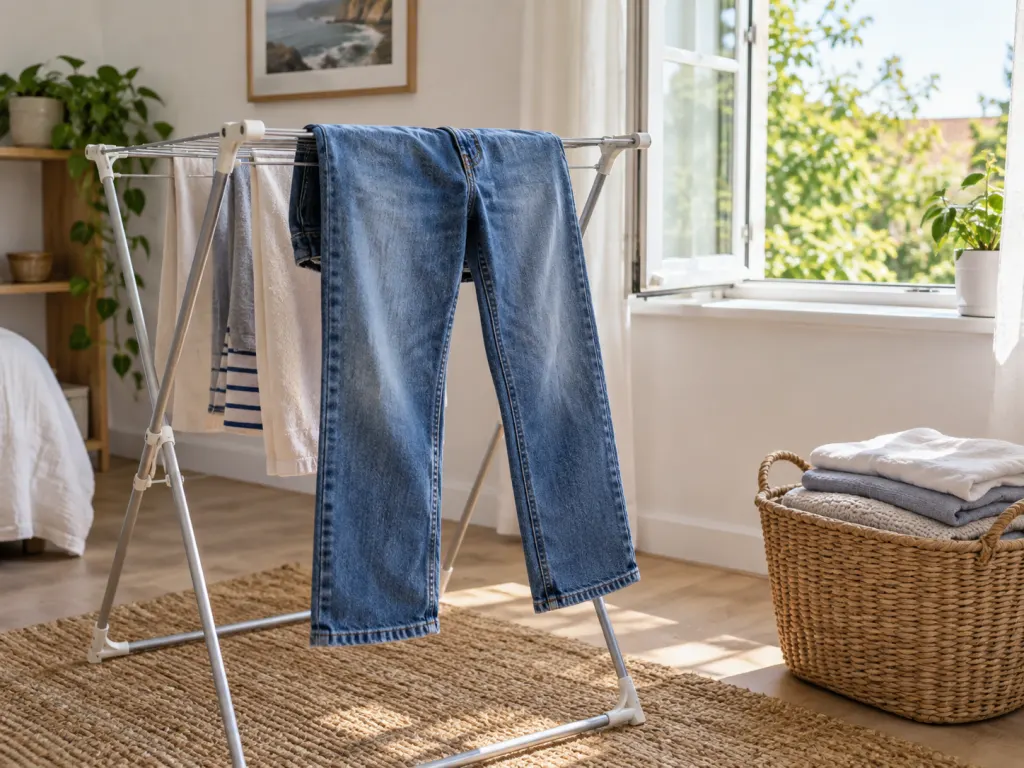
- Air dry flat or hang dry when practical, because air drying saves energy and can help clothes last longer, according to ENERGY STAR https://www.energystar.gov/products/clothes_washers.
When the Washing Machine Makes Sense
There are plenty of times when machine washing jeans is reasonable. If they are visibly dirty, smell unpleasant, have been worn through a messy project, or simply no longer feel fresh, wash them. If you share laundry routines with a busy household, a careful cold machine cycle may be more realistic than hand washing in a sink. A durable pair of everyday jeans is made to be worn and cleaned; the goal is not to turn denim care into a fragile ritual. The goal is to avoid unnecessary full washes when a smaller action would do.
Machine choice and load habits matter as well. ENERGY STAR says full-sized certified washers use 14 gallons of water per load compared with 20 gallons for a standard machine, and it recommends running full loads whenever possible because washers use about the same amount of energy regardless of load size https://www.energystar.gov/products/clothes_washers. That advice translates neatly to jeans: if you are going to use the machine, combine compatible dark garments instead of running a tiny jeans-only cycle for one lightly worn pair.
What About Microfibers?
Denim is often mostly cotton, but many modern jeans include elastane, polyester, or other synthetic fibers for stretch and recovery. Laundry can release fibers from textiles into wastewater. NOAA explains that microfibers from synthetic fabrics can rinse out during washing and may become a pathway for microplastics entering waterways https://oceanservice.noaa.gov/podcast/june16/dd66-microplastics.html. A peer-reviewed study available through the National Library of Medicine found that fiber shedding varied widely by textile type, construction, and treatment during domestic laundry cycles https://pmc.ncbi.nlm.nih.gov/articles/PMC8270180/.
The European Environment Agency also identifies washing and maintenance as part of textiles’ environmental footprint, along with production, distribution, and end-of-life handling. Its textile assessment notes that washing, drying, and ironing use electricity, water, and detergents, and that chemicals and microfibres can enter wastewater during use https://www.eea.europa.eu/en/analysis/publications/textiles-and-the-environment-the-role-of-design-in-europes-circular-economy-1. For jeans owners, this supports a balanced approach: keep garments in use longer, avoid unnecessary laundering, and choose lower-friction care when practical.
What Not to Overdo
The wash-less idea can become too precious if it turns into a rule that ignores real life. Freezing jeans, spraying heavy fragrances on them, or letting stains sit for weeks is not a better care routine. Odor-covering products may leave residues, and old stains can become harder to remove. The low-effort, high-value habits are much simpler: air jeans between wears, spot clean promptly, wash inside out when needed, and skip the dryer when you have time and space to air dry.
It is also worth separating raw-denim culture from everyday jeans care. Raw denim is often worn for long stretches before its first wash because enthusiasts want strong personalized fades. Many household jeans are not raw denim. They may be prewashed, blended with stretch fibers, dyed black, garment-finished, or treated for softness before purchase. Those jeans can still benefit from careful laundering, but they do not require a specialized hobbyist routine. The care label and the condition of the garment should guide the decision.
The Bottom Line for Home Laundry
Bergh’s advice became famous because it sounded extreme, but its practical version is modest: jeans usually do not need automatic washing after every wear. Compared with tossing jeans into every load by default, a slower care routine can save water, reduce energy use, protect color, and extend the useful life of a garment. When washing is needed, cold water, inside-out washing, compatible loads, gentle cycles, and air drying are the main levers. The result is not dirty denim. It is more intentional denim care.
Wrap-Up
Levi’s former CEO Chip Bergh made the “wash jeans less” argument because denim often does not need frequent full machine cycles, and because laundry has real effects on water use, energy use, fabric wear, color, and garment life. The most useful routine is flexible: spot clean small marks, air jeans between wears, wash when they are genuinely dirty, follow the care label, use cold water when appropriate, and air dry when practical. That keeps the advice grounded in normal home care rather than turning it into an all-or-nothing denim rule.
Frequently Asked Questions
- → Does this mean jeans should never be washed?
No. The practical advice is to wash jeans less automatically, not to avoid cleaning them altogether. If jeans are visibly dirty, smell unpleasant, or feel grimy, wash them according to the care label.
- → How often should I wash everyday jeans?
There is no single schedule that fits every household. Lightly worn jeans may only need airing and spot cleaning between wears, while jeans worn for messy work or long active days may need washing sooner. Let the garment’s condition guide the decision.
- → Is cold water enough for jeans?
Often, yes, when the care label allows it and the jeans are not heavily soiled with oily stains. ENERGY STAR notes that cold water generally does a good job for many loads and uses less energy than heated water.
- → Should jeans go in the dryer?
Use the care label first. When practical, air drying is gentler and saves energy. If you use a dryer, choose the lowest suitable heat and remove jeans before they are over-dried to reduce stress on the fabric.
- → What is the easiest way to keep dark jeans looking dark?
Turn them inside out, wash with similar dark colors, use cold water when the label allows, choose a gentle cycle for light soil, and avoid repeated high-heat drying. Prompt spot cleaning also helps reduce full washes.
References
This content was developed and refined using reliable sources.
- https://knowledge.wharton.upenn.edu/article/former-levis-ceo-on-revitalizing-a-brand-and-how-to-wash-jeans
- https://www.energystar.gov/products/clothes_washers
- https://www.ftc.gov/business-guidance/resources/clothes-captioning-complying-care-labeling-rule
- https://oceanservice.noaa.gov/podcast/june16/dd66-microplastics.html
- https://pmc.ncbi.nlm.nih.gov/articles/PMC8270180
- https://www.eea.europa.eu/en/analysis/publications/textiles-and-the-environment-the-role-of-design-in-europes-circular-economy-1