 Save
The practical answer is this: a natural spray may help freshen fly-prone surfaces and make certain areas less attractive for insects, but it will not solve a cockroach infestation or a recurring fly source by itself. For flies, the strongest step is removing the material that attracts or breeds them, such as exposed garbage, pet waste, decaying organic matter, or drain film. For cockroaches, the stronger plan is to remove food and water, seal hiding places, monitor with sticky traps, and use targeted control methods when needed. The University of Minnesota Extension says keeping the home and yard clean is the most effective control for common filth flies, while UC IPM notes that pesticides alone do not solve cockroach problems and that baits usually control cockroaches better than sprays when insecticides are needed.
What a natural spray can realistically do
A homemade spray is best understood as a supporting tool, not the main pest-control plan. A light surface spray can help clean sticky residue around trash cans, refresh a patio table, or discourage flies from settling on a specific non-food surface for a short time. It can also remind you to focus on the places insects are using: the bin lid, the drain rim, the gap under the door, the cardboard stack beside the pantry, or the damp cabinet under the sink. But sprays have limits. The University of Minnesota Extension explains that insecticides are not effective for long-term fly control and are only a temporary reduction tool, which is a helpful warning even when the spray is homemade rather than commercial source.
Cockroaches need an even more cautious approach. UC IPM says cockroaches need food, water, and shelter, hide in warm, dark, moist spaces, and often come out at night. It also cautions that aerosol sprays and foggers can be hazardous and may repel or scatter cockroaches into other areas without solving the problem source. That is why this guide treats a natural spray as a cleaning and deterrent aid, while the core plan is sanitation, exclusion, monitoring, and targeted help when the problem is more than occasional.
Start with the conditions insects are using
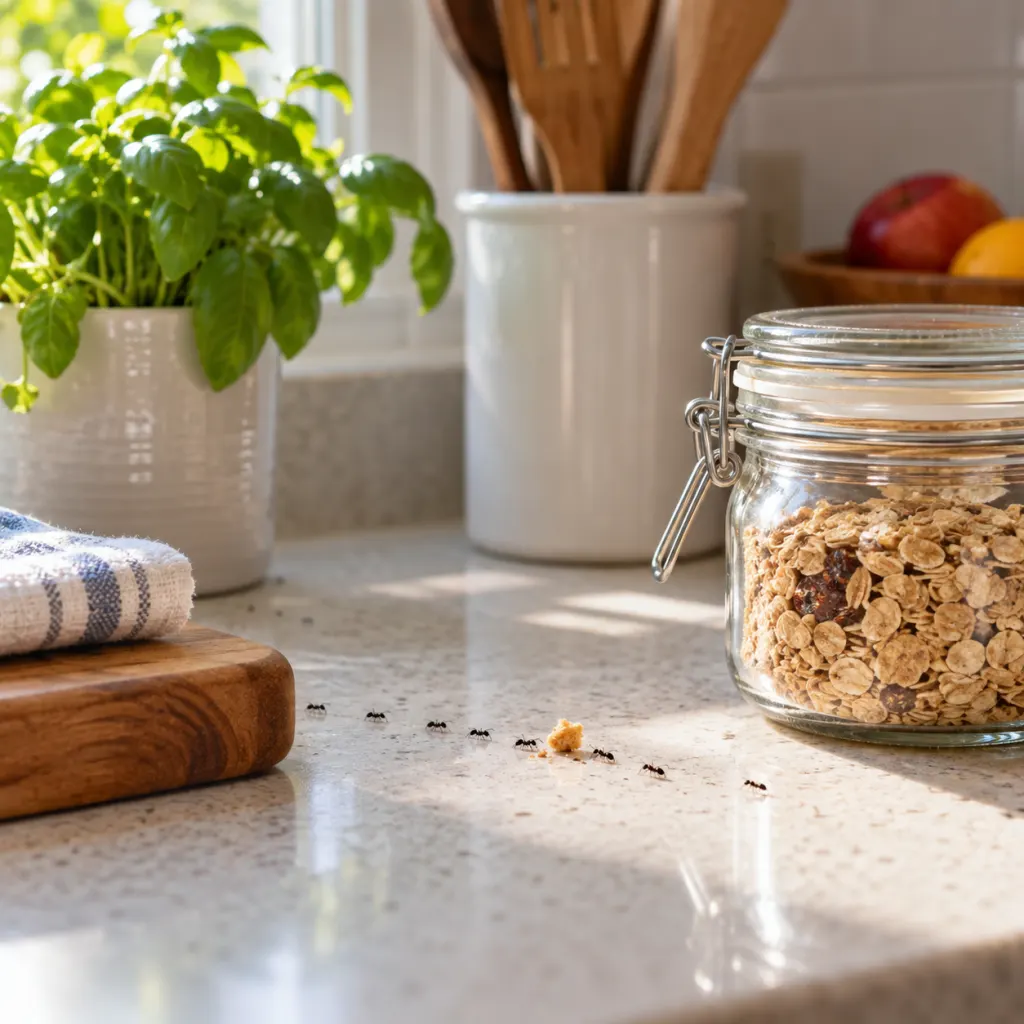
Before mixing any spray, walk through the kitchen, trash area, entry doors, pet-feeding area, bathroom drains, and pantry. Flies often point to odor, wet organic matter, or a breeding source. Cockroaches point to crumbs, grease film, water, clutter, and narrow hiding spaces. EPA guidance for safer pest control recommends reducing pest problems first with non-chemical steps such as removing food and water sources and destroying shelters or breeding sites source. In plain household terms, that means a spray works better after the real invitation has been removed.
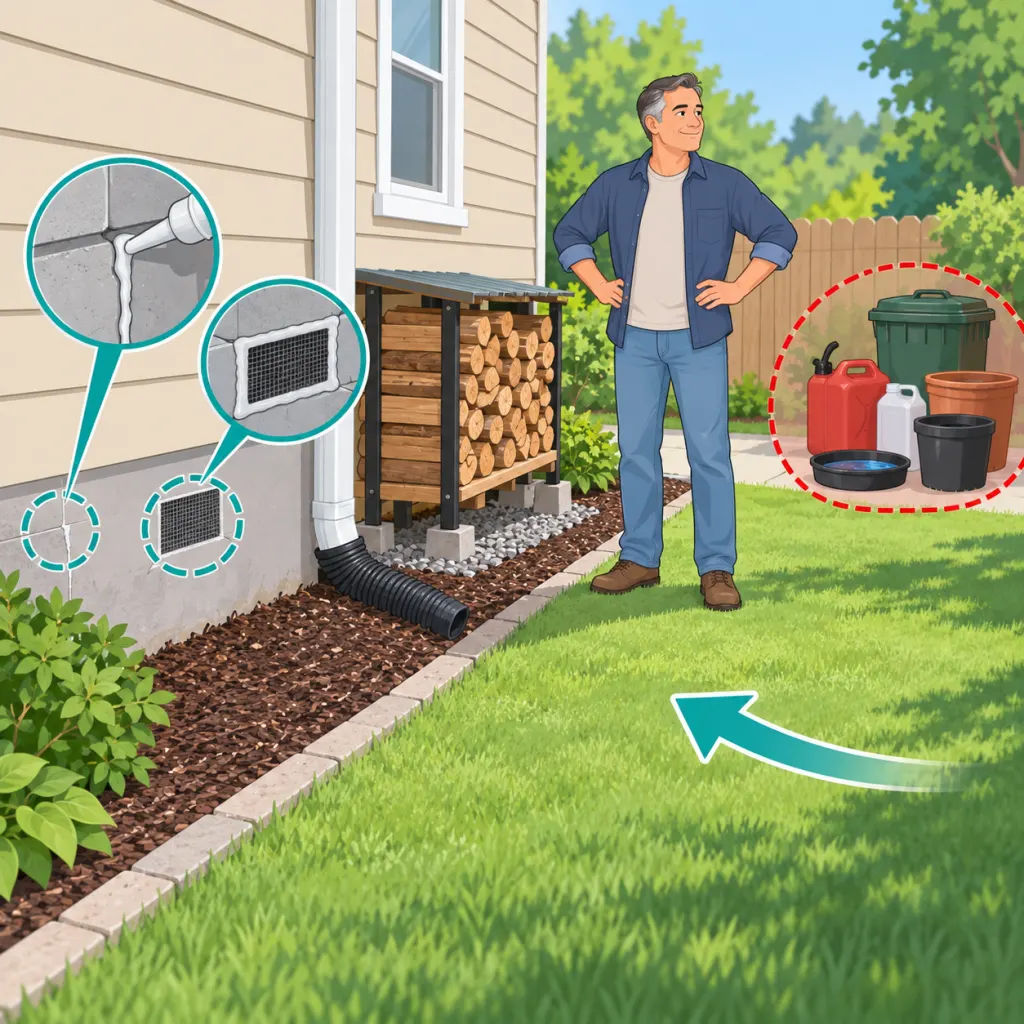
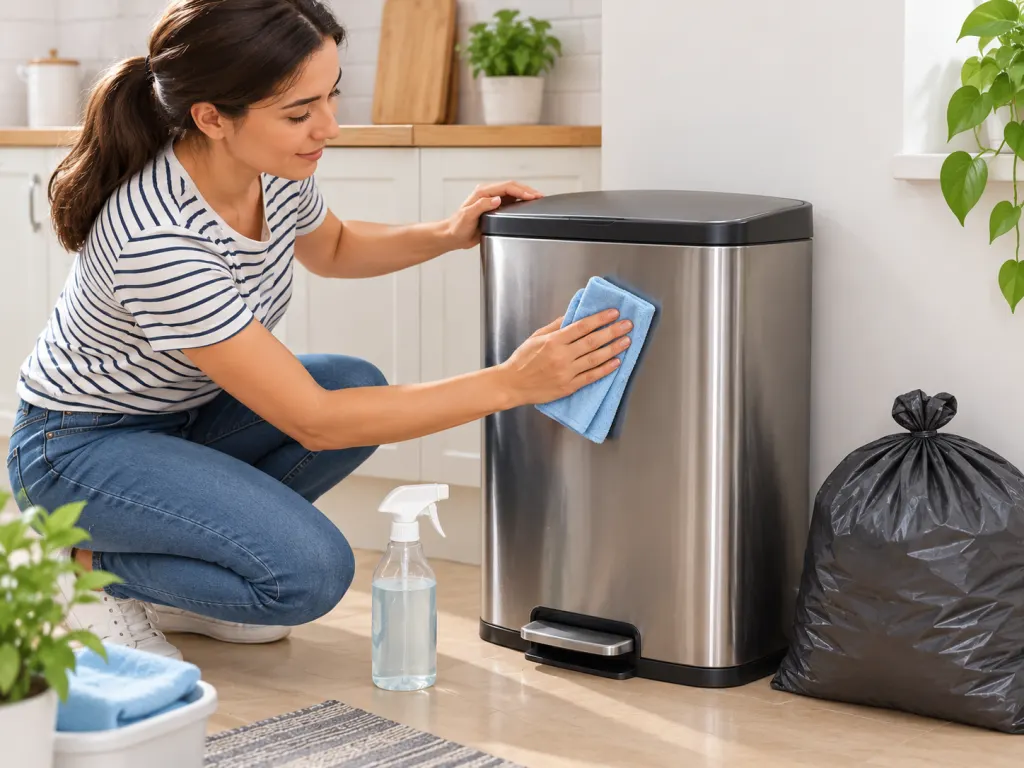
- Trash: tie bags tightly, rinse sticky bin lids, use tight-fitting lids, and move outdoor bins away from doors when possible.
- Drains: scrub drain rims and visible buildup instead of only pouring liquid down the drain.
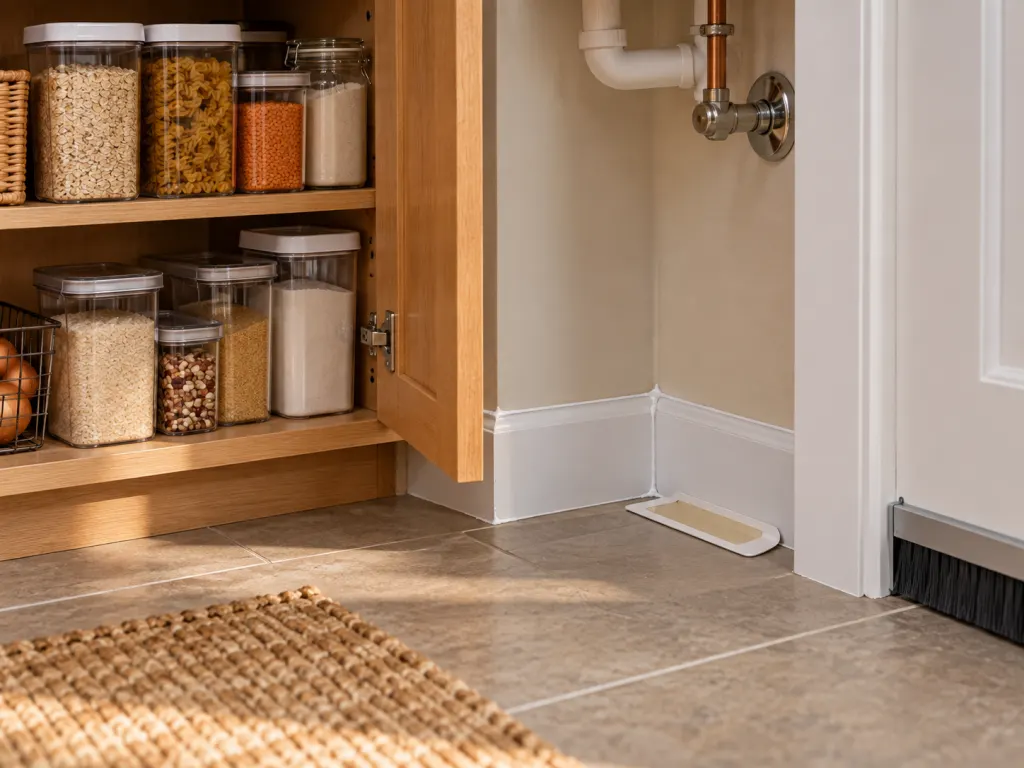
- Food storage: move cereal, pet food, flour, crackers, and snacks into tight containers.
- Water: dry sink edges at night, fix leaks, empty standing water from plant saucers, and check under appliances.
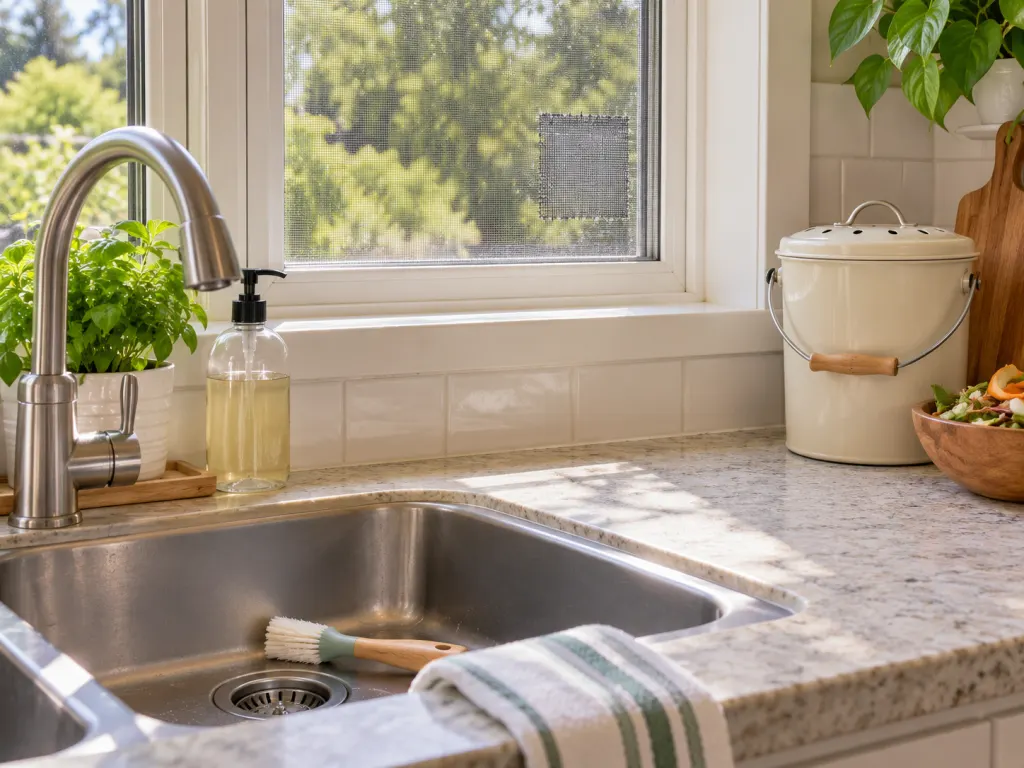
- Entry points: repair window screens, add door sweeps, and seal cracks around pipes, baseboards, and cabinet backs.
- Clutter: reduce cardboard, paper bags, and hidden storage piles near kitchens and bathrooms.
A cautious DIY spray for non-food surfaces
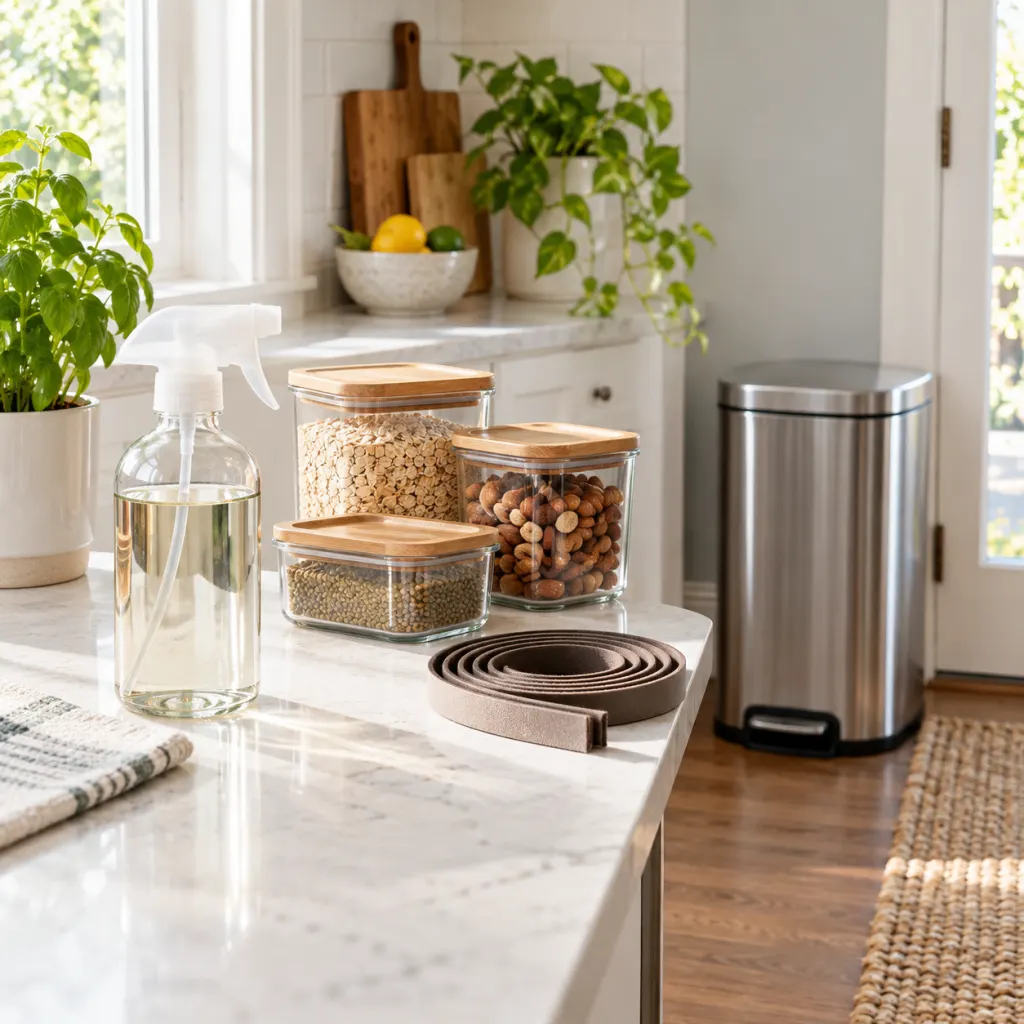
For a simple household spray, use a clean bottle with water, a small amount of mild unscented dish soap or castile soap, and a modest splash of white vinegar. Some people add a very small amount of citronella, peppermint, rosemary, or lemongrass essential oil, but that optional step should be handled carefully. Oil of citronella is used in some repellent products, and NPIC explains that it repels target pests by masking scents insects use to locate a target rather than by killing them source. That mechanism is useful context: scent may help in a small area for a short time, but it does not remove eggs, hidden roaches, food residue, or the breeding source.
Use the spray only on washable, non-food-contact surfaces such as the outside of a trash can, the floor beside a bin, an exterior threshold, a patio table leg, or the underside edge of an outdoor dining table. Shake, mist lightly, wait briefly, and wipe dry. Do not spray it into the air, onto food, into cabinets full of dishes, into electrical spaces, onto bedding, or near fish tanks. Do not use it as a fogger. Label the bottle, make small amounts, and discard it if the smell changes or the mixture looks separated or cloudy in a way that seems unusual. A homemade spray is not preserved like a commercial product.
Where it helps most with flies
The most useful fly locations are the places where odors and residues collect. Spray and wipe the outside of trash cans, the floor under a kitchen bin, the underside of a compost pail lid, and outdoor eating surfaces after food has been cleared away. For indoor flies, do not stop at the visible adults. The University of Minnesota Extension notes that house flies and related filth flies are attracted to garbage, waste, and decaying organic material, and its prevention advice includes tying garbage bags tightly, cleaning cans, using tight-fitting lids, removing animal waste and rotting yard material, and using screens on doors and windows source.
If the flies are small and fuzzy around a sink or shower, the source may be drain film rather than the fruit bowl. In that case, a scented spray on the counter is a distraction. Scrubbing the drain opening and visible organic buildup matters more. If flies appear suddenly in large numbers, look for a hidden source such as a forgotten food spill, a leaking trash bag, or a dead animal in a wall or chimney area. For a broader household approach, the related guide Natural Ways to Repel Household Insects pairs well with this spray-focused article because it looks at prevention habits beyond one bottle.
Why cockroaches need a different plan
A cockroach seen in the open may be only the visible clue. The larger issue is usually hidden access to food, water, warmth, and tight shelter. UC IPM recommends identifying the cockroach species, removing food and water, sealing openings, removing hiding places, and using sticky traps to monitor where cockroaches are active. It also states that insecticide sprays do not provide long-term control and that people should focus on limiting food, water, shelter, and entry source. A natural spray can wipe residue from a route, but it should not be your main cockroach tool.
For cockroaches, use the spray only after cleaning and only on surfaces you can wipe dry. Do not chase roaches with a scented spray into wall gaps or appliance motors. Do not soak baseboards, outlets, cracks, or cabinet seams. If you are seeing multiple roaches, finding droppings that look like pepper specks, noticing egg cases, or seeing roaches during the daytime, shift from spray thinking to monitoring and control thinking. Place sticky traps along wall edges, behind the refrigerator, under the sink, and inside lower cabinets where children and pets cannot reach them. The trap pattern tells you where the activity is concentrated.
A seven-day reset for a kitchen or utility area
For a small fly problem or a first cockroach sighting, a one-week reset is more useful than spraying the same spot every night. On day one, empty trash, wash the bin, dry the floor, clean under appliances as far as you safely can, and move open food into sealed containers. On day two, inspect drains, pet bowls, recycling, and compost. On day three, seal obvious gaps around pipes or baseboards with appropriate materials. On day four, add sticky monitoring traps for cockroaches or fly paper placed safely out of reach for flies. On day five, clean grease film from the stove side, range hood, and nearby cabinet edges. On day six, inspect the traps and note where insects appear. On day seven, repeat only the steps that match what you found.
This approach keeps the spray in its proper place. Use it as the finishing pass after the source is removed: a light mist and wipe around bins, thresholds, and washable outdoor surfaces. If the insects return quickly, the problem is not a weak spray; it is an unfound attractant, an entry route, a moisture source, or a hidden breeding or nesting area. For readers who like plant-based prevention, 8 Plants That Help Repel Mice, Spiders, and Common Insects explains why scent-based methods should be treated as supporting measures rather than barriers that replace cleaning and sealing.
Safety rules for homemade and commercial sprays
Natural does not automatically mean harmless. Vinegar can irritate surfaces and should not be mixed casually with other cleaners. Essential oils are concentrated substances, and pets can be more sensitive to some exposures than people expect. EPA pesticide safety guidance says to read labels first, follow directions exactly, avoid using more than directed, remove children, toys, and pets before applying pesticides, and remove or cover food during indoor applications source. Even if you are using a homemade cleaning-style spray rather than a registered pesticide, those habits are sensible guardrails.
EPA indoor air guidance also recommends using non-chemical pest control where possible, keeping spaces clean, dry, and ventilated, and not increasing pesticide amounts in the belief that more gives better protection source. If you buy a commercial product, the label matters. EPA explains that pesticide labels describe how much to use, where to use it, and how to use it effectively and safely source. Do not pour a commercial pesticide into an unlabeled homemade bottle, combine products, or use an outdoor product indoors unless the label specifically allows it.
Pets, children, and food areas
Homes with pets, young children, aquariums, birds, or reptiles need extra caution. NPIC advises removing pets, toys, bedding, food bowls, and water bowls before applying pesticides, keeping pets away until treated areas are dry and ventilated, and covering fish tanks to keep liquids and vapors away from the tank source. Those precautions are worth borrowing for homemade sprays too, especially when essential oils are involved. Store the bottle where children and pets cannot reach it, and never spray pet bedding, food bowls, toys, scratching posts, cages, or aquariums.
For food-contact surfaces, keep the standard stricter: clean first, rinse when appropriate, and avoid leaving scented residues where food is prepared. Do not spray cutting boards, plates, utensils, fruit bowls, or pantry shelves full of open food. If a surface will touch food, use a cleaning method meant for that surface rather than a pest spray. If you need a product for a serious cockroach problem in a kitchen, consider baits or professional help instead of broadcasting spray. UC IPM notes that bait stations confine insecticide to small areas rather than dispersing it widely, which can reduce exposure when used correctly and placed appropriately source.
When to stop experimenting and get help
Skip repeated homemade spraying when the signs point to a larger infestation or a structural problem. That includes roaches seen in daytime, roaches in several rooms, recurring activity in an apartment building, insects returning immediately after cleaning, flies emerging from a drain despite scrubbing, or a smell that suggests hidden organic material. A licensed pest professional can identify the species, locate the source, and choose a targeted method. EPA guidance asks whether a pesticide is really needed and emphasizes drying out roaches by removing water, sealing openings, repairing screens, checking boxes and bags before bringing them inside, and reducing clutter source.
There is nothing wrong with wanting a gentler first step. The mistake is expecting one pleasant-smelling bottle to do the work of inspection, cleaning, repairs, monitoring, and targeted control. Use the spray where it makes sense, keep the mixture mild, wipe surfaces dry, and watch what happens over the next several days. If the insects decline and the source is gone, keep up the prevention routine. If they do not, the evidence is telling you to change strategy, not to make the spray stronger.
Wrap-Up
A natural spray for flies and cockroaches is most useful as a light cleaning and deterrent step on washable non-food surfaces. It should not be treated as a complete pest-control system. For flies, remove garbage odors, drain film, exposed waste, and entry points. For cockroaches, remove food and water, reduce hiding places, seal cracks, monitor with sticky traps, and consider targeted baits or professional help when activity continues. Keep any spray away from food, children, pets, and aquariums, and follow label directions whenever a commercial product is involved.
Frequently Asked Questions
- → Will a natural spray get rid of cockroaches?
Usually not by itself. A spray may clean a route or add a short-lived scent, but cockroaches are controlled more reliably by removing food and water, sealing hiding places, using monitoring traps, and choosing targeted control when activity continues.
- → Where should I use a homemade fly spray?
Use it lightly on washable, non-food surfaces such as the outside of a trash can, the floor around a bin, an exterior threshold, or outdoor table legs after food has been cleared away. Wipe surfaces dry and keep the spray away from food, dishes, pet items, and aquariums.
- → Are essential oils safe to use around pets?
Use caution. Essential oils are concentrated, and pets may be exposed by breathing vapors, walking through residue, or licking treated surfaces. Keep pets away during use, ventilate the area, let surfaces dry, and avoid pet bedding, bowls, toys, cages, and fish tanks.
- → Why do flies keep coming back after I spray?
Recurring flies usually mean the source is still present. Check garbage, compost, pet waste, drains, recycling, rotting produce, wet mop heads, and gaps in screens or doors. Removing the source matters more than making the spray stronger.
- → When should I call a pest professional?
Consider professional help if you see cockroaches during the day, find activity in several rooms, live in a building with recurring pests, see insects return right after cleaning, or cannot locate the fly source. Identification and targeted control can prevent wasted effort.
References
This content was developed and refined using reliable sources.
- https://extension.umn.edu/garden-and-home/home-maintenance/household-insects/flies
- https://ipm.ucanr.edu/home-and-landscape/cockroaches
- https://www.epa.gov/pesticide-incidents/pesticide-safety-tips
- https://www.epa.gov/indoor-air-quality-iaq/pesticides-impact-indoor-air-quality
- https://www.epa.gov/safepestcontrol/why-read-labels
- https://npic.orst.edu/factsheets/citronellagen.html
- https://npic.orst.edu/factsheets/petspest.html
- https://www.epa.gov/safepestcontrol/do-you-really-need-use-pesticide