 Save
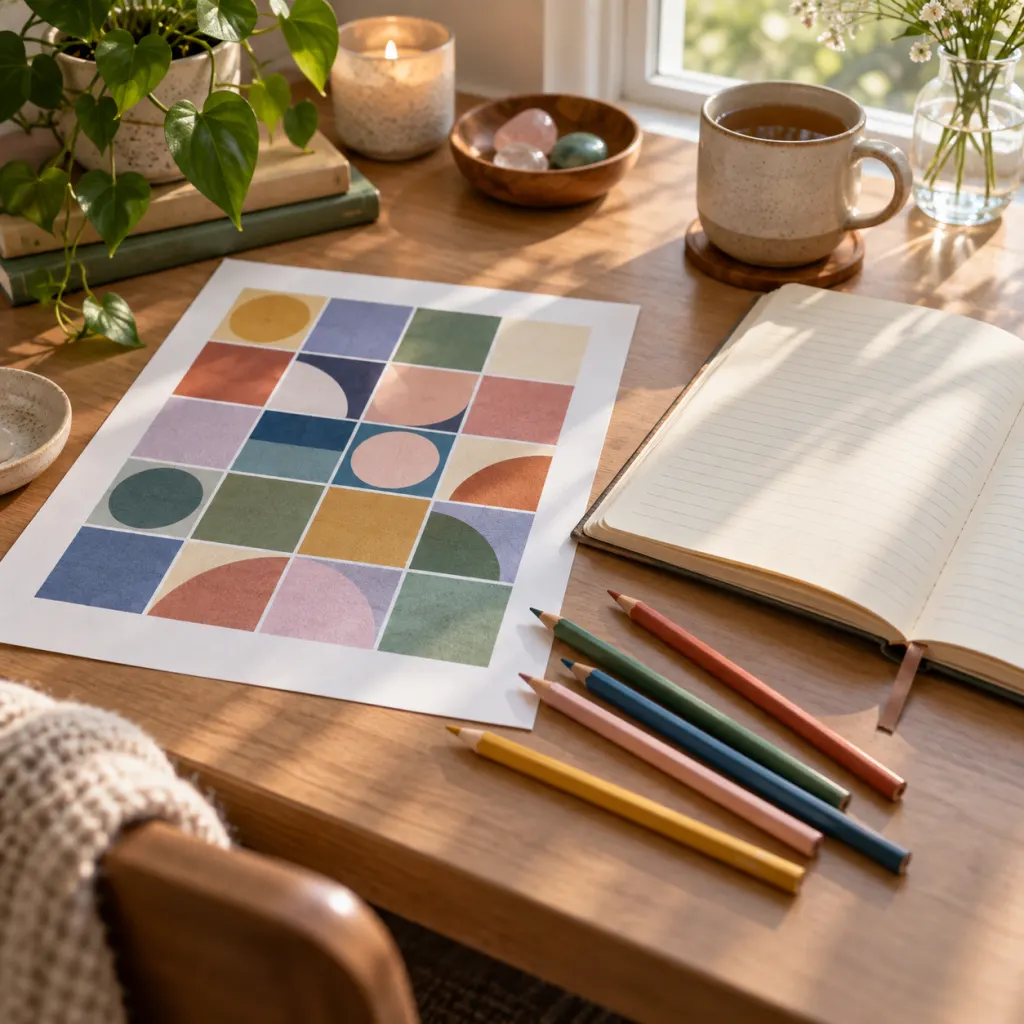
The direct answer is simple: the first three colors you see in an online image cannot reliably reveal what is bothering you deep inside. Color can influence attention, carry cultural meaning, and stir personal associations, but a viral quiz does not have the evidence needed to interpret your inner life. Used carefully, though, a color puzzle can still be a gentle starting point for reflection. The key is to treat it as a question, not a verdict.
Why these color quizzes feel so convincing
Color quizzes work because they combine speed, ambiguity, and personal meaning. You look at a busy image, notice a few colors first, and then read a result that sounds emotionally specific. Your mind naturally tries to connect the result to recent experiences: a difficult conversation, a decision you have postponed, a sense of restlessness, or simple fatigue. That connection can feel revealing even when the quiz itself has not measured anything about you.
This does not mean the experience is useless. People often benefit from small prompts that make reflection easier. A color result can give you a sentence to react to: “Does this fit?” “What part feels off?” “Why did I want this answer to be true?” The insight comes from your own response, not from the color key. That distinction matters because it keeps a playful puzzle from turning into a fixed label.
What color science actually supports
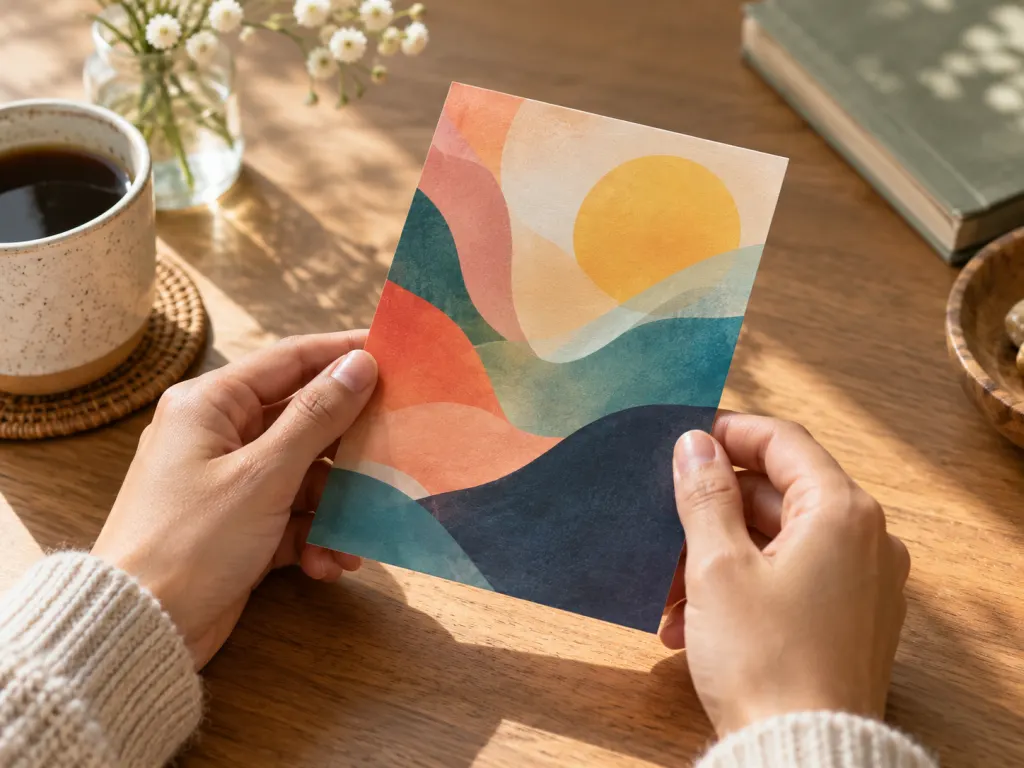
Research does show that color can be linked with attention, context, and emotion, but the findings are narrower and more conditional than most online quizzes suggest. A review of color and psychological functioning notes that the field has made progress while still needing caution about broad real-world claims, especially because context, hue, lightness, and chroma all matter https://pmc.ncbi.nlm.nih.gov/articles/PMC4383146/. In plain language, red on a warning sign, red on a sweater, and red in a puzzle are not psychologically identical.
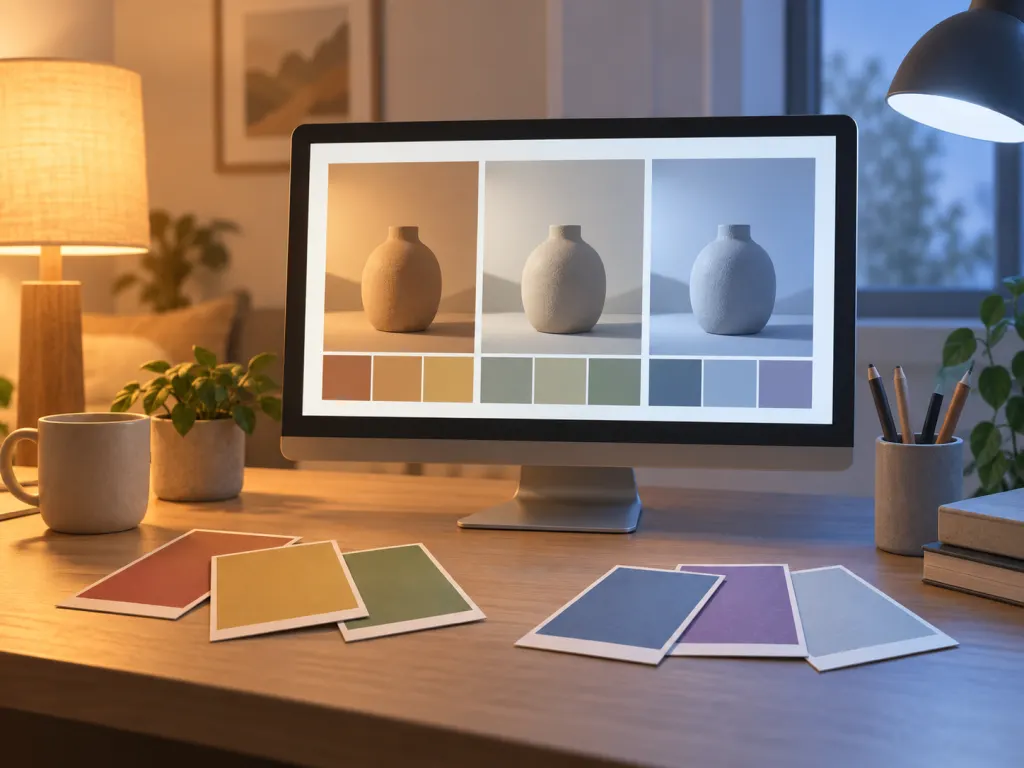
Color perception is also not the same for everyone. The National Eye Institute explains that color vision deficiency can make it harder to distinguish certain colors, commonly red and green or blue and yellow https://www.nei.nih.gov/eye-health-information/eye-conditions-and-diseases/color-blindness. Screen brightness, room lighting, image contrast, visual fatigue, and the size of each color patch can also affect what you notice first. A quiz that ignores those factors cannot fairly turn your first glance into a deep personal conclusion.
A real assessment is built differently
Formal psychological assessment is not based on a single image and a set of symbolic meanings. The American Psychological Association describes psychological testing and assessment as a process that can include standardized tests, interviews, records, observations, and clinical judgment https://www.apa.org/topics/testing-assessment-measurement/understanding. A review on psychometric instruments also explains that reliability and validity concern whether scores can be interpreted for a specific purpose, and that reliable scores alone are not enough for a valid interpretation https://pubmed.ncbi.nlm.nih.gov/16443422/.
How to use the first three colors as a reflection prompt
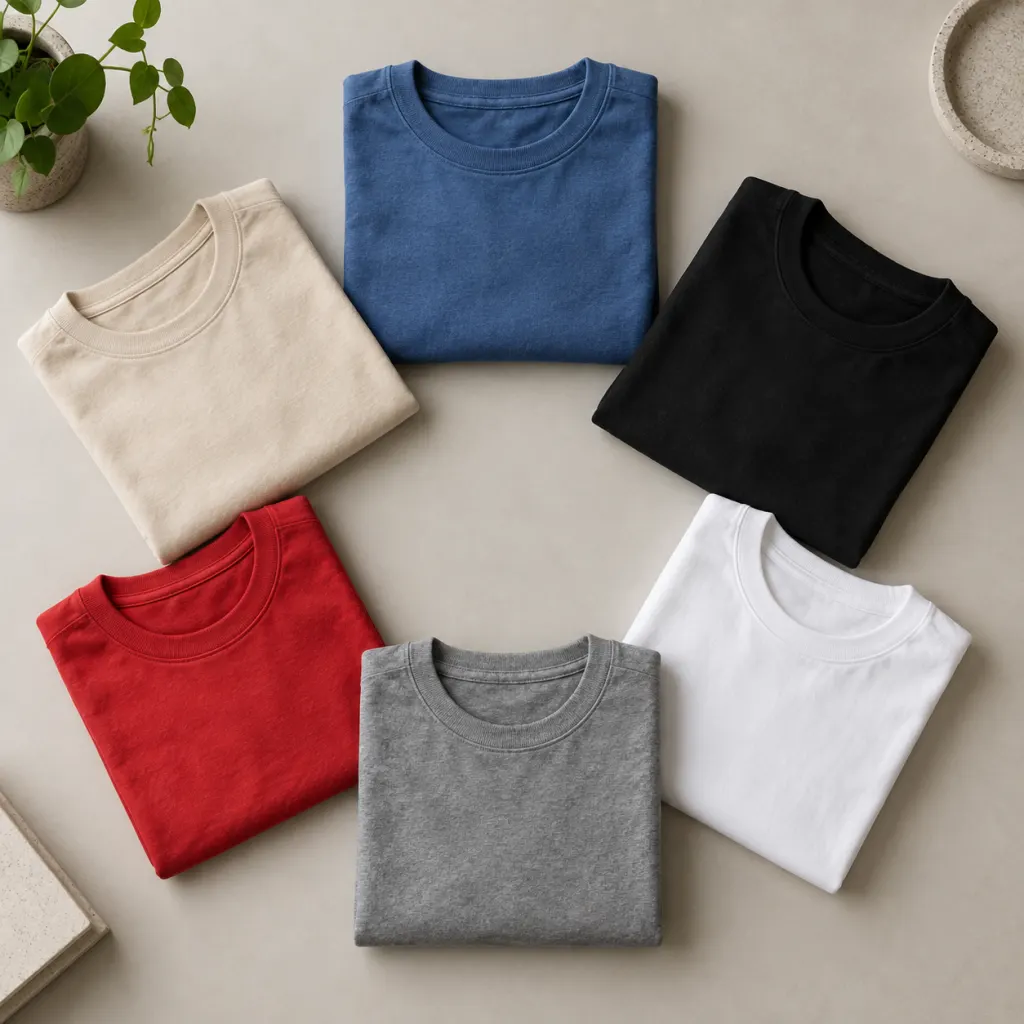
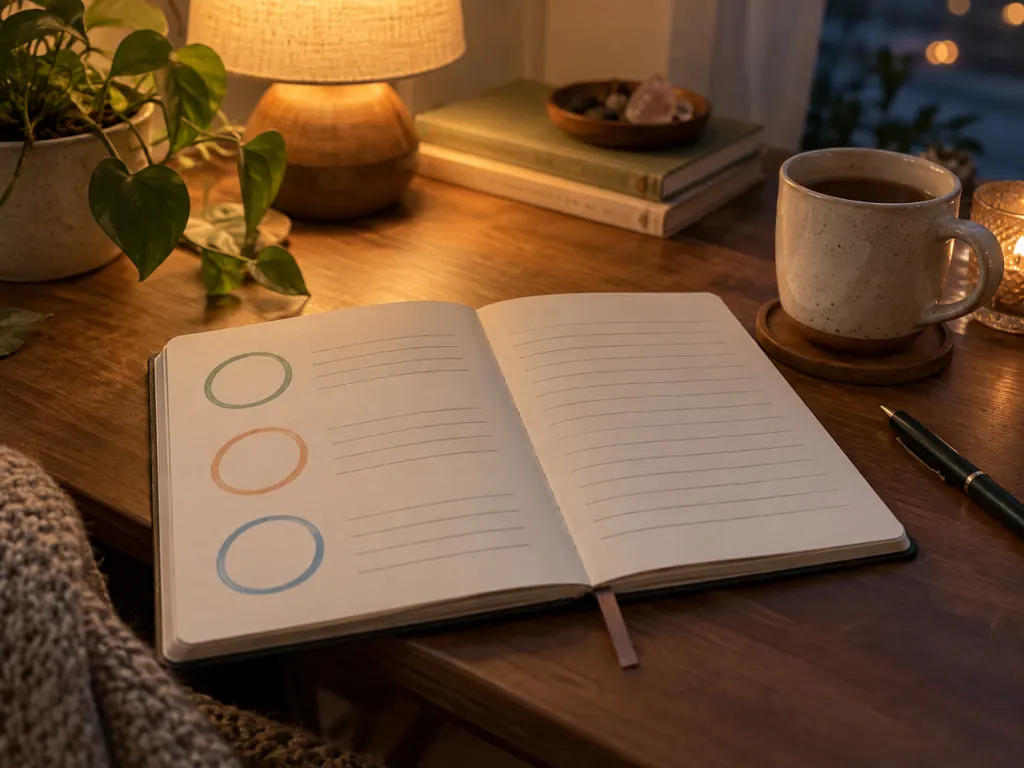
If you enjoy the puzzle, use it as a doorway into your own thinking. Write down the first three colors you noticed, then ignore the viral answer key for a moment. Ask what each color personally brings up for you. Blue might mean calm to one person, distance to another, and a childhood bedroom to someone else. Black may feel elegant, protective, heavy, or neutral depending on memory and culture. Your associations are more useful than a universal chart.
A simple reflection process can keep the exercise grounded:
- Name the color without interpreting it. Write the color first, before adding meaning.
- List your own associations. Include memories, places, objects, or moods that come to mind.
- Check the present moment. Ask whether any association connects to something happening this week.
- Look for patterns, not prophecies. One reaction may be random; repeated reactions across days may be more useful.
- Choose one small action. If a concern keeps surfacing, decide whether to rest, talk, plan, apologize, ask for help, or set a boundary.
When a quiz result should not be brushed aside
The quiz itself is not evidence, but your reaction to it may still matter. If a result makes you unexpectedly tearful, angry, ashamed, or relieved, pause with that response instead of arguing with the image. MedlinePlus notes that stress is the way the brain and body respond to a challenge or demand, and that long-lasting stress can affect sleep, focus, mood, and daily functioning https://medlineplus.gov/stress.html. The color did not create the issue, but it may have given you a safe surface to notice it.
It is also worth watching for duration and impact. The National Institute of Mental Health advises considering how symptoms affect daily life, and says that when difficult symptoms worsen or interfere with ordinary tasks, professional help may be appropriate https://www.nimh.nih.gov/health/publications/my-mental-health-do-i-need-help. If you might hurt yourself or someone else, seek emergency help now. A quiz is entertainment; your safety and support are not.
A balanced way to read common color meanings
Because color meanings are flexible, it is better to treat them as possible prompts than fixed interpretations. Red might invite you to think about urgency, energy, attraction, anger, pressure, or warning. Blue might point toward distance, quiet, sadness, steadiness, trust, or rest. Yellow may suggest brightness, nervous energy, optimism, caution, or overstimulation. Green can evoke growth, envy, money, nature, recovery, or permission. Black may suggest protection, grief, elegance, seriousness, privacy, or finality.
Notice the word “might.” That word keeps the exercise honest. A color can offer a vocabulary for reflection, but it cannot read your history. Your first color may simply be the brightest patch, the highest contrast area, the shade nearest the center of the image, or the color your screen displays most strongly. The useful question is not “What does this color prove?” but “What did my mind do with this color, and is that telling me anything useful?”
Why people share quizzes even when they are not scientific
Personality-style quizzes spread because they are social. They give people an easy way to say something personal without fully exposing themselves. Sharing a result can mean “this is me,” but it can also mean “I want to talk about this” or “I wonder if anyone else feels the same way.” That is why similar pieces, such as ring personality quizzes and color puzzle articles, are best read as conversation starters rather than as measurements.
There is nothing wrong with enjoying that ritual. The risk appears when a playful answer replaces self-knowledge, careful conversation, or appropriate care. A quiz that says you are carrying anger may make you overlook sadness. A quiz that says you are lonely may make you ignore practical exhaustion. A quiz that says you are secretly strong may make you delay asking for support. Reflection becomes healthier when you let the result open options instead of narrowing them.
A better three-color exercise
Try this version if you want the fun without the false certainty. First, choose three colors from the image. Second, write one word you personally connect with each color. Third, write one sentence beginning with “Lately, I may need more...” and use one of those words. For example: “Lately, I may need more quiet,” or “Lately, I may need more clarity.” Fourth, choose a tiny next step that fits the sentence.
This turns the puzzle into a self-check rather than a personality verdict. It also respects the fact that mental and emotional life changes. What you notice on a stressful Monday may differ from what you notice after a full night of sleep, a good meal, or an honest conversation. That change does not mean one answer was false. It means attention is alive, contextual, and influenced by what is happening around you.
The takeaway
The first three colors you see do not reveal a hidden diagnosis, a secret wound, or a guaranteed truth about your inner life. They can, however, become a gentle mirror if you use them carefully. Let the colors raise questions. Let your own reactions provide the data. Then compare those reactions with your real life: your energy, relationships, responsibilities, sleep, mood, and need for support. That is a more respectful and more useful way to read the puzzle.
Wrap-Up
A color quiz can be enjoyable, but it should not be treated as proof of what is bothering you. Color perception depends on visual factors, personal associations, culture, context, and the image itself. The best use is reflective: notice your reaction, name what feels relevant, and take one grounded next step if a real concern keeps coming up.
Frequently Asked Questions
- → Can the first colors I see reveal my personality?
No single glance at a color puzzle can reliably reveal your personality. It may show what caught your attention in that image, and it may prompt useful reflection, but it is not a validated assessment.
- → Why did my result feel accurate?
Many quiz results use broad emotional language that people can connect to their own lives. If a result feels accurate, treat that feeling as a clue to explore, not as proof that the quiz measured you.
- → Do colors affect mood?
Colors can carry associations and may influence attention or feeling in some contexts, but the meaning depends on culture, setting, personal memory, lighting, and the specific color properties. Broad claims about one color having one universal meaning are too simple.
- → What should I do if the quiz brought up a real worry?
Write down what came up, check whether it connects to a current situation, and consider one small practical step. If the worry is lasting, worsening, or interfering with daily life, talk with a qualified health professional.
- → Are color quizzes harmful?
They are usually harmless when treated as entertainment or journaling prompts. They become less helpful when they are used to label yourself, explain someone else, or replace a real conversation with a trusted person or professional.
References
This content was developed and refined using reliable sources.
- https://pmc.ncbi.nlm.nih.gov/articles/PMC4383146
- https://www.nei.nih.gov/eye-health-information/eye-conditions-and-diseases/color-blindness
- https://www.apa.org/topics/testing-assessment-measurement/understanding
- https://pubmed.ncbi.nlm.nih.gov/16443422
- https://medlineplus.gov/stress.html
- https://www.nimh.nih.gov/health/publications/my-mental-health-do-i-need-help
- https://medlineplus.gov/howtoimprovementalhealth.html