 Save
If you could wear only one color for the rest of your life, your answer might reveal something useful, but not in a fortune-telling way. A color choice can hint at the image you like to project, the kind of visual energy you prefer, and the associations you have learned from culture, fashion, work, family, and memory. It should be read as a conversation starter, not a label. Researchers have found links between color associations, preferences, and broad personality traits, but the evidence is mixed and limited. The most accurate reading starts with a simple question: what does this color help you feel or express in daily life?
A Better Way to Read a Color Choice
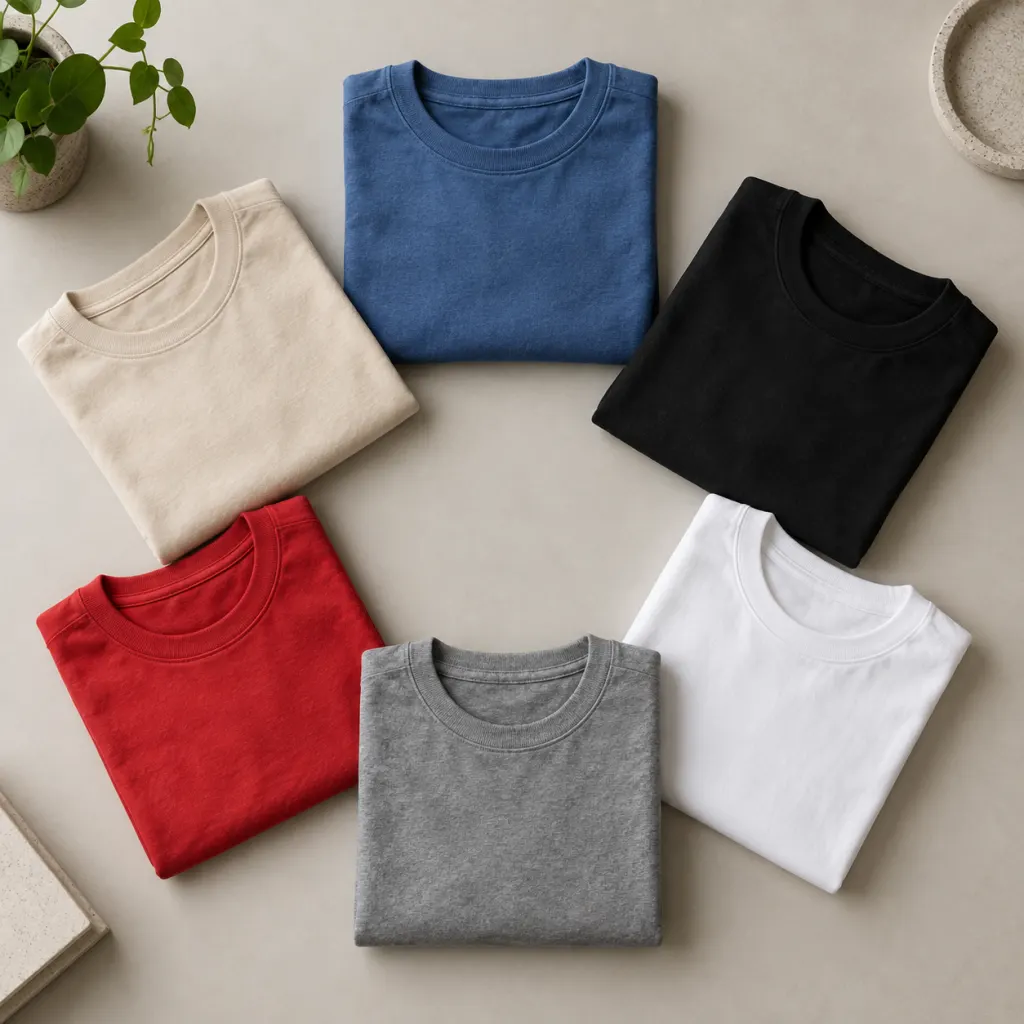
Color-choice quizzes are popular because they turn an ordinary decision into a mirror. That can be fun, especially when the question is concrete: choose blue, black, white, gray, red, or beige as your only clothing color. The useful part is not the idea that one shade exposes a hidden truth. It is the pause it creates. When you pick a color, you may be choosing comfort, visibility, restraint, softness, polish, or ease. Those preferences can say something about taste and self-presentation, even when they do not prove a stable personality type.
Research gives us a careful middle ground. A PubMed-indexed study of 854 Korean adults examined color connotations, color preference, and broad personality traits, and reported that color preferences showed some statistically significant links with traits such as agreeableness, conscientiousness, emotional stability, and openness. The same abstract also makes clear that the study used survey methods, rankings, and a specific adult sample, so it should not be stretched into a universal rule for every person who likes a certain color https://pubmed.ncbi.nlm.nih.gov/36600720/.

What the Research Can and Cannot Say
The strongest reading is probabilistic and contextual. Personality research often uses broad trait models rather than fixed types. One influential overview of the Five-Factor Model describes personality in terms of five broad dimensions: extraversion, agreeableness, conscientiousness, neuroticism, and openness to experience https://onlinelibrary.wiley.com/doi/10.1111/j.1467-6494.1992.tb00970.x. A favorite color is much narrower than a personality inventory, so it should not be asked to carry that much weight. A person might love red on a sweater, avoid red cars, and choose blue for a bedroom, all for sensible reasons.
The American Psychological Association has also featured color-psychology researcher Domicele Jonauskaite discussing why favorite colors are often overinterpreted. The episode notes that color and emotion associations are real subjects of study, while the leap from favorite color to full personality profile is far less secure https://www.apa.org/news/podcasts/speaking-of-psychology/color-emotion. In other words, blue can commonly carry associations of calm or trust, but choosing blue does not automatically make someone calm in every setting.
A grounded color reading asks several questions before making any interpretation:
- Where is the color used? A color chosen for clothing may mean something different from a color chosen for a room, logo, phone case, or party theme.
- How intense is it? Bright red, burgundy, tomato red, and dusty rose do not create the same impression.
- What is the social setting? A color that feels bold at work may feel ordinary at a celebration.
- What personal memory is attached? A school uniform, family tradition, favorite vacation, or old compliment can shape preference.
- What does the person avoid? Disliked colors can be just as revealing as favorites because they show boundaries around attention, formality, or softness.
Blue, Black, White, Gray, Red, and Beige
Blue often reads as steady, familiar, and easy to live with. In some studies, blue is judged more pleasant and less activating than red, although individual differences remain important https://www.nature.com/articles/s41598-020-66574-w. If someone chooses blue as a forever clothing color, it may suggest they value consistency, approachability, and a look that works in many rooms. It can also be a practical answer: denim, navy coats, and blue shirts are common because they blend polish with comfort.
Black can signal privacy, control, elegance, or simplicity. It is often chosen by people who want a dependable visual boundary. Black can make dressing easier because it coordinates quickly, hides wear better than pale colors, and can look formal without much effort. A black choice may point less to mystery than to a desire for clarity: fewer decisions, fewer distractions, and a strong outline.
White tends to suggest freshness, openness, and high contrast. Someone who chooses white may enjoy a clean visual field, crisp lines, and the feeling of starting from a blank page. It can also suggest confidence in maintenance because white clothing demands attention. Still, the meaning changes by climate, profession, and culture; in one setting white can feel relaxed, while in another it can feel ceremonial or strict.
Gray is often the color of moderation. It can appeal to people who dislike extremes or who prefer their clothes to support them quietly. Gray does not demand the same attention as red or the same upkeep as white, and it can lean warm, cool, formal, or casual depending on fabric. A gray choice may suggest practicality, flexibility, and comfort with nuance.
Red is harder to ignore. In research comparing red and blue, red is often associated with higher activation than blue https://www.nature.com/articles/s41598-020-66574-w. Choosing red may suggest that a person likes visible energy, directness, romance, celebration, or drama. Yet red does not always mean the same thing. It can be festive, formal, defiant, sporty, or traditional depending on the shade and setting.
Beige is not the absence of personality. It often points toward ease, warmth, softness, and a preference for being composed rather than conspicuous. Beige can also suggest a practical wardrobe philosophy: let shape, fabric, and fit speak before color does. Someone who chooses beige may value comfort and understated continuity, or may simply love how neutral tones make daily dressing feel calmer and more adaptable.
Why Context Changes the Answer
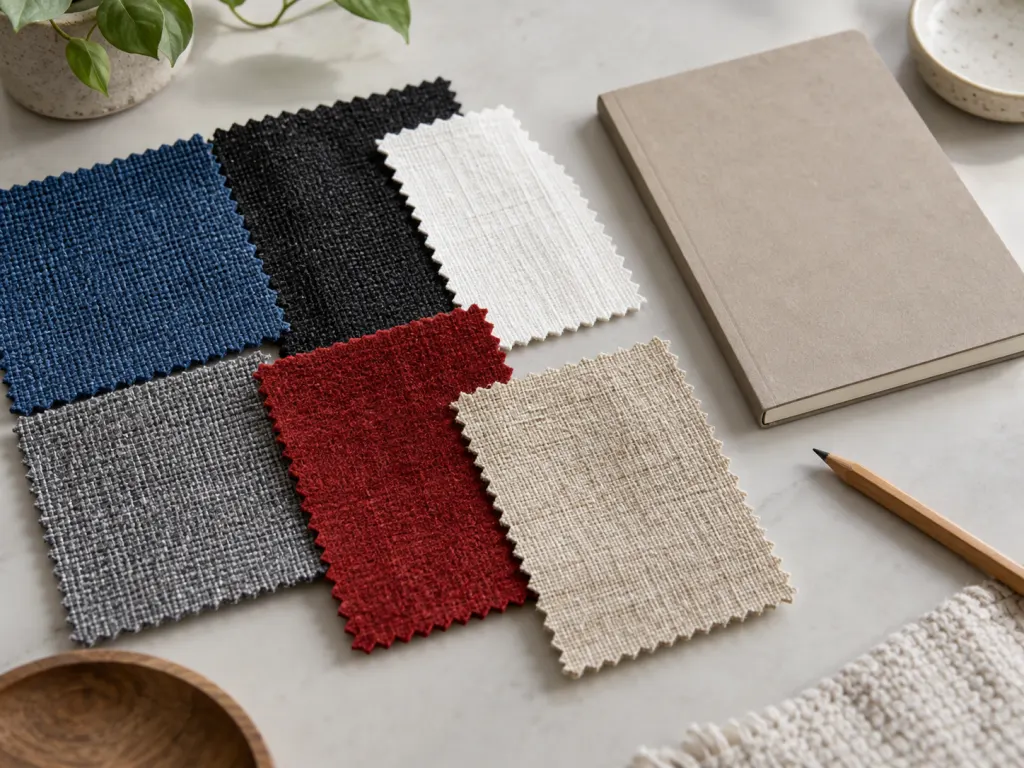
Color meanings are learned through objects, language, and shared habits. A 2025 Communications Psychology article in Nature reports that color-adjective associations can be embedded in language patterns and that some color knowledge is shared even among people with very different visual experience https://www.nature.com/articles/s44271-025-00230-9. That helps explain why many people quickly understand phrases such as warm colors, cool colors, clean white, or heavy black. The associations feel immediate, but they have been reinforced by years of language and social use.
Culture also matters. A 2025 article in Humanities and Social Sciences Communications notes that color preferences can vary between cultural groups, with examples involving British, Himba, Chinese, and European participants https://www.nature.com/articles/s41599-025-04806-y. This is why a quiz answer should not be treated as universal. Red may suggest celebration in one context, warning in another, luxury in another, and team loyalty somewhere else. A beige wardrobe may look minimalist in one city and traditional in another. Meaning lives in the relationship between color, person, object, and setting.
The item being colored matters too. A red dress, red kitchen wall, red notebook, and red lipstick do not communicate the same thing. Clothing is especially layered because it is both personal and public. When you choose a color to wear, you are not only choosing what you like to look at. You are choosing what others will see before they know your voice, humor, work habits, or private loyalties. That makes clothing color a form of soft social signaling.
How to Use This as a Reflection Prompt
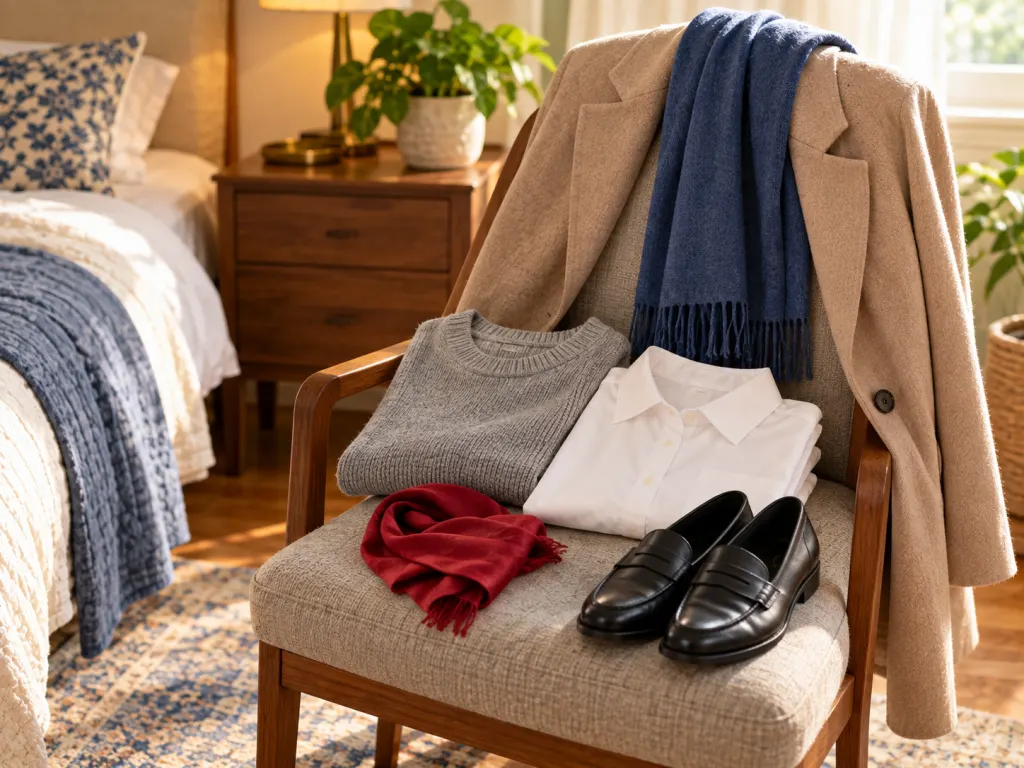
The most useful version of the question is not, "What does my color prove?" It is, "What does my color help me do?" Blue may help one person feel composed, while another chooses it because it reminds them of travel. Black may feel protective to one person and creative to another. White may mean simplicity, ceremony, summer, precision, or a love of contrast. The answer becomes richer when you name the role the color plays in your real life.
Try looking at three layers. First, consider attraction: what drew you to the color before you explained it? Second, consider function: does it help you blend in, stand out, look polished, soften your image, or make fewer decisions? Third, consider pattern: do you choose the same color across clothes, home objects, phone wallpaper, flowers, and gifts, or only in one category? A single preference is interesting. A repeated pattern is more revealing.
This is also where playful internal comparisons can be useful. A color-choice article pairs naturally with reflective pieces such as Can a Color Quiz Reveal What Is Bothering You?, Do Color Puzzles Reveal How You Intimidate People?, and Ring Personality Quizzes: What Your Choice Really Reveals. The point is not to collect labels. It is to notice the choices you keep making and ask what they are doing for you.
The Practical Takeaway
Your color choice may reveal a preferred tone, a social strategy, or a familiar kind of comfort. It may suggest whether you enjoy visibility, restraint, polish, warmth, flexibility, or simplicity. It may also reveal nothing more mysterious than the clothes that fit your life. The safest conclusion is this: color can offer a small clue about self-presentation, but the person is always larger than the palette.
So if you choose blue, you may be reaching for steadiness. If you choose black, you may value control and ease. If you choose white, you may like clarity. If you choose gray, you may appreciate balance. If you choose red, you may enjoy expressive energy. If you choose beige, you may prefer warmth without spectacle. Read those as invitations, not verdicts. A good color question opens the door to self-knowledge; it does not close it.
Wrap-Up
A forever-color choice is best understood as a clue about preference, presentation, and context. Research supports some links between color associations and broad personality traits, but the links are not strong enough to define a person. Treat blue, black, white, gray, red, and beige as reflective prompts shaped by culture, language, personal memory, and the situation in which the color is used.
Frequently Asked Questions
- → Can a favorite color accurately describe my personality?
Not by itself. A favorite color can hint at taste, preferred impressions, and familiar associations, but it cannot accurately describe a whole personality. It works better as a reflection prompt than as a test result.
- → Why do so many people connect blue with calm or trust?
Blue is commonly linked with lower visual intensity, familiar objects such as sky and water, and language habits that reinforce cool or steady associations. Research comparing red and blue has also found blue to be judged less activating on average, though individuals vary.
- → Does choosing red mean I am bold?
It may suggest that you are comfortable with visibility, energy, or expressive style, but it does not prove boldness. Red can also be chosen for tradition, celebration, romance, team identity, or simple preference for a particular shade.
- → What if I choose different colors for clothes and home decor?
That is normal. Clothing colors are public and social, while home colors are lived with for longer periods. You might choose black for clothes because it is practical and green for a room because it feels softer or more natural.
- → Is beige a boring answer?
No. Beige can point to warmth, simplicity, texture, and understated confidence. It often shifts attention away from bright color and toward fabric, shape, light, and fit.
- → How should I use a color quiz without overthinking it?
Use it as a low-pressure question: what does this color help me express, avoid, simplify, or enjoy? If the answer feels useful, keep it. If it feels wrong, your lived experience matters more than the quiz.
References
This content was developed and refined using reliable sources.
- https://www.apa.org/news/podcasts/speaking-of-psychology/color-emotion
- https://pubmed.ncbi.nlm.nih.gov/36600720
- https://onlinelibrary.wiley.com/doi/10.1111/j.1467-6494.1992.tb00970.x
- https://www.nature.com/articles/s44271-025-00230-9
- https://www.nature.com/articles/s41598-020-66574-w
- https://www.nature.com/articles/s41599-025-04806-y