 Save
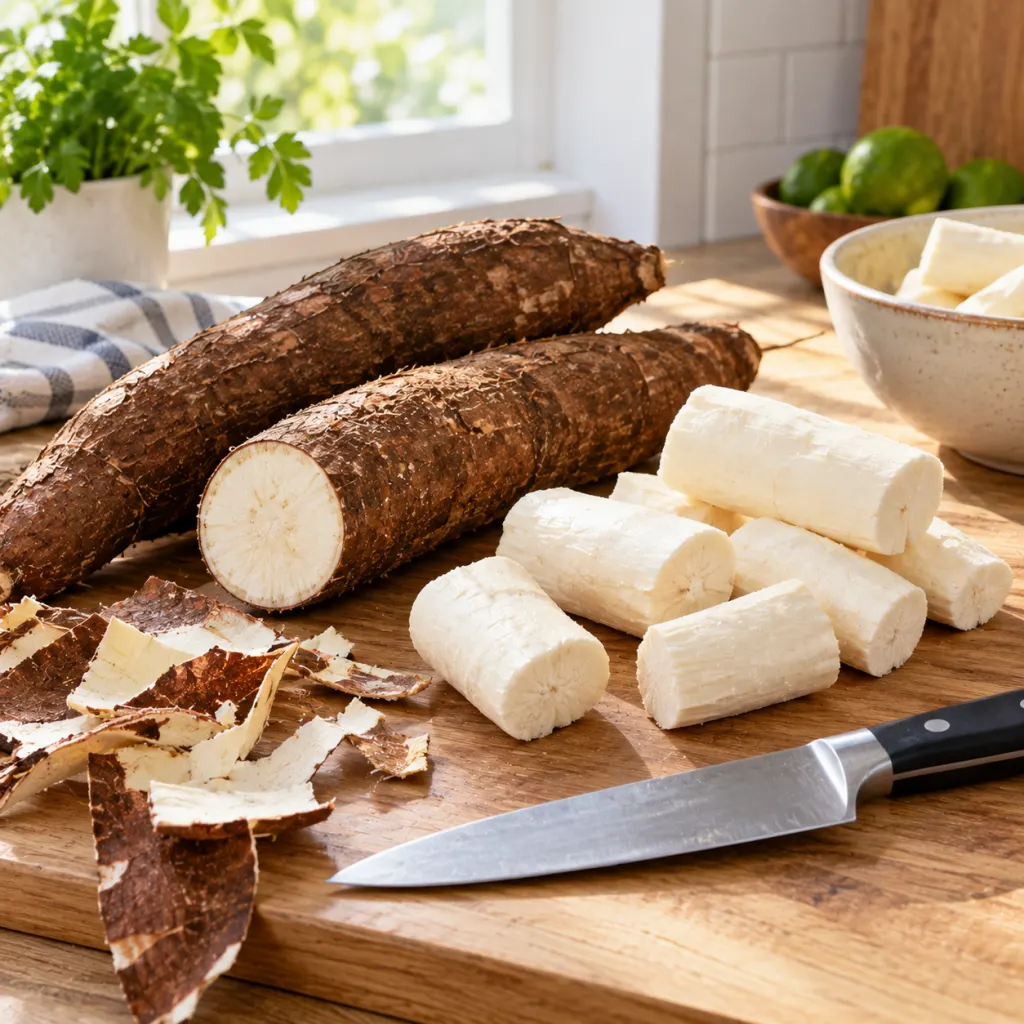
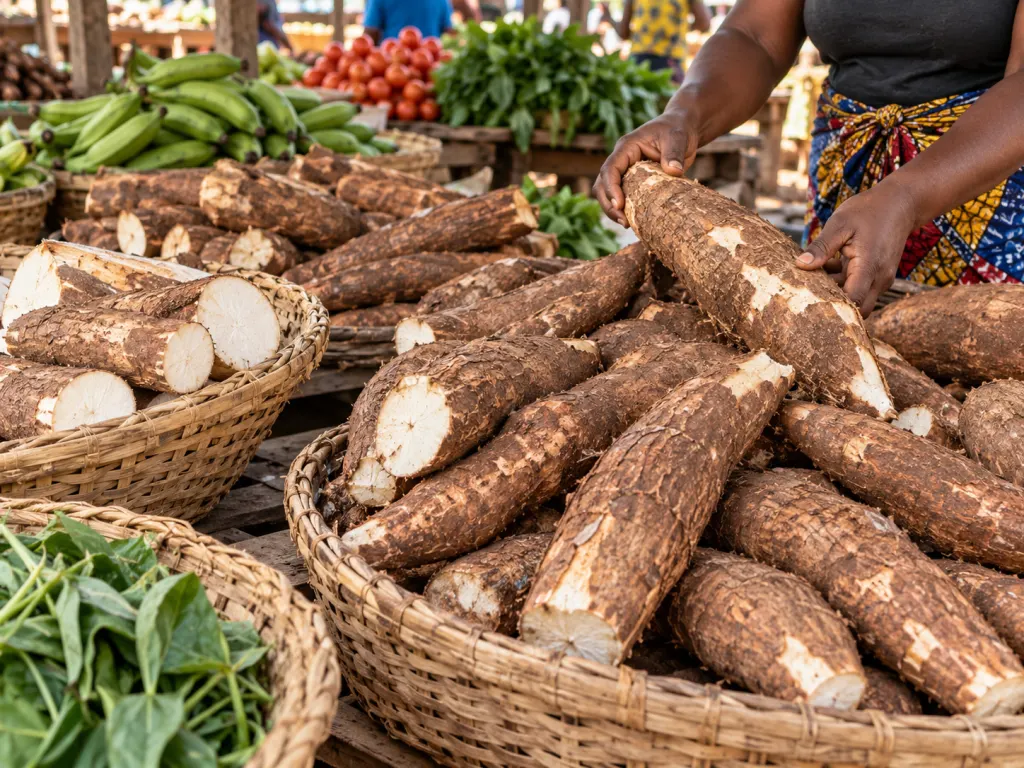
The food behind the viral claim is cassava, a starchy tropical root also known as yuca, manioc, or tapioca in different forms. The claim is partly rooted in a real food-safety issue: cassava can contain cyanogenic compounds that may release cyanide if the root or flour is poorly processed. But the headline can mislead if it makes cassava sound like a reckless dare. FAO describes cassava as one of the developing world’s important staples, providing a basic diet for around 500 million people, while WHO lists cassava among foods that can contain cyanogenic glycosides. The useful question is not “why would anyone eat it?” It is “what makes cassava safe in normal food traditions, and what conditions make it risky?”
The Short Answer: Cassava Is Useful, Not Automatically Unsafe
Cassava matters because it grows where many crops struggle. FAO notes that staple foods are eaten regularly and provide a major share of energy needs, and it names cassava among important roots and tubers in many parts of the world. In the same FAO overview, cassava is described as a developing-world staple that provides a basic diet for around 500 million people: https://www.fao.org/4/U8480E/U8480E07.htm. That scale is why simple scare language fails. A food can be essential, culturally ordinary, and still require careful handling.
The danger comes from compounds called cyanogenic glycosides. WHO explains that these naturally occurring plant toxins are found in cassava and several other foods, and that their risk depends on whether eating the plant can produce enough cyanide to harm a person: https://www.who.int/news-room/fact-sheets/detail/natural-toxins-in-food. Cassava traditions developed around that reality. Peeling, soaking, fermenting, drying, grating, pressing, roasting, boiling, and making flour are not decorative steps; they are part of the safety culture around the crop.
Why Cassava Can Release Cyanide
Cassava’s cyanogenic compounds are part of the plant’s defense system. FAO’s global cassava strategy describes the main cyanogenic glucosides in cassava as linamarin and lotaustralin, which can release hydrocyanic acid when hydrolyzed: https://www.fao.org/4/y0169e/y0169e04.htm. The amount can vary widely by variety, growing conditions, climate, and processing. That matters because two pieces of cassava may not carry the same risk just because they look similar on a counter.
People often hear about “sweet” and “bitter” cassava. Those terms are useful in everyday speech, but they are not a perfect safety test. FAO notes that bitterness does not exactly match the cyanogenic content of a root. In practical terms, that means taste alone is not a reliable laboratory. A cook who is unfamiliar with a local variety should not assume that a mild-tasting piece needs less care, and a shopper should prefer cassava from sellers who understand how the product was grown, processed, and intended to be cooked.
Why People Still Rely on It
Cassava is valued because it is resilient. FAO’s cassava strategy says the crop can produce dependable yields in places where cereals and other crops may not do well, and it can tolerate drought and soils with low nutrient capacity. The same source describes cassava as both a food-security crop and a source of income for producers, processors, and traders. That is the missing context in many viral posts: people do not eat cassava because danger is fashionable. They eat it because it is familiar, filling, adaptable, and often economically important.
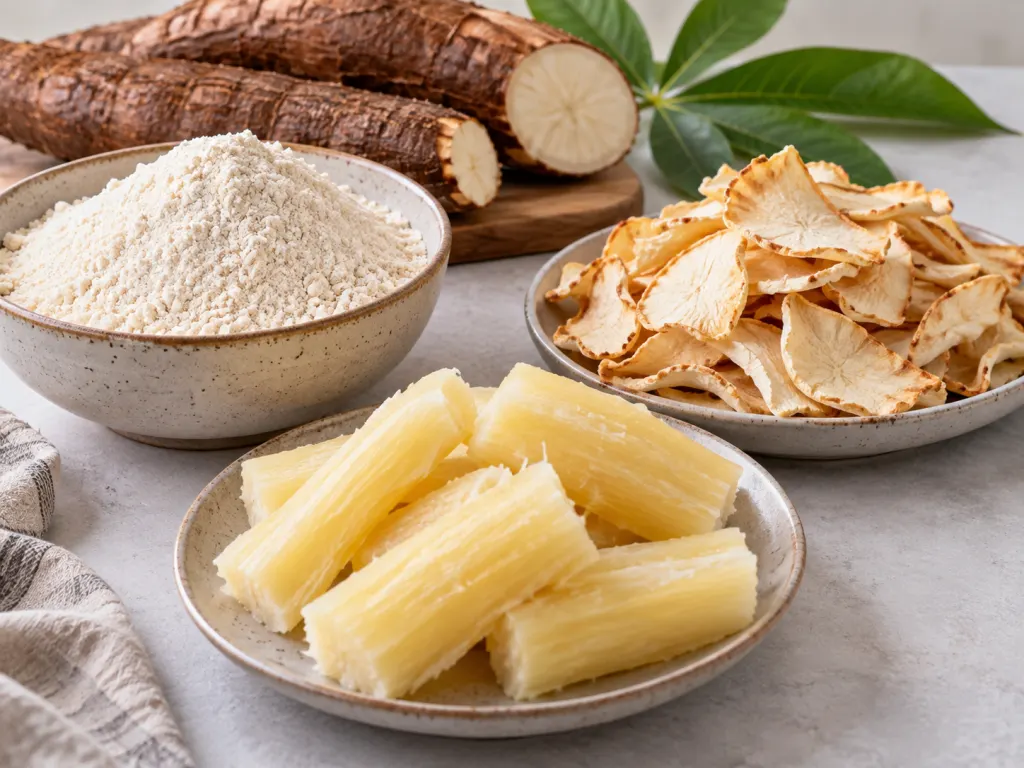
It also appears in many foods that do not resemble a raw root at all. Depending on region and processing, cassava may become flour, gari, fufu, tapioca starch, fermented pastes, boiled pieces, fried pieces, flatbreads, dumplings, or thickened soups. If you enjoy reading how food claims can become distorted online, the same evidence-first habit applies to other kitchen topics, including Food Claims and Knee Cartilage. The principle is the same: a dramatic claim usually needs a quieter second look.
What Proper Processing Changes
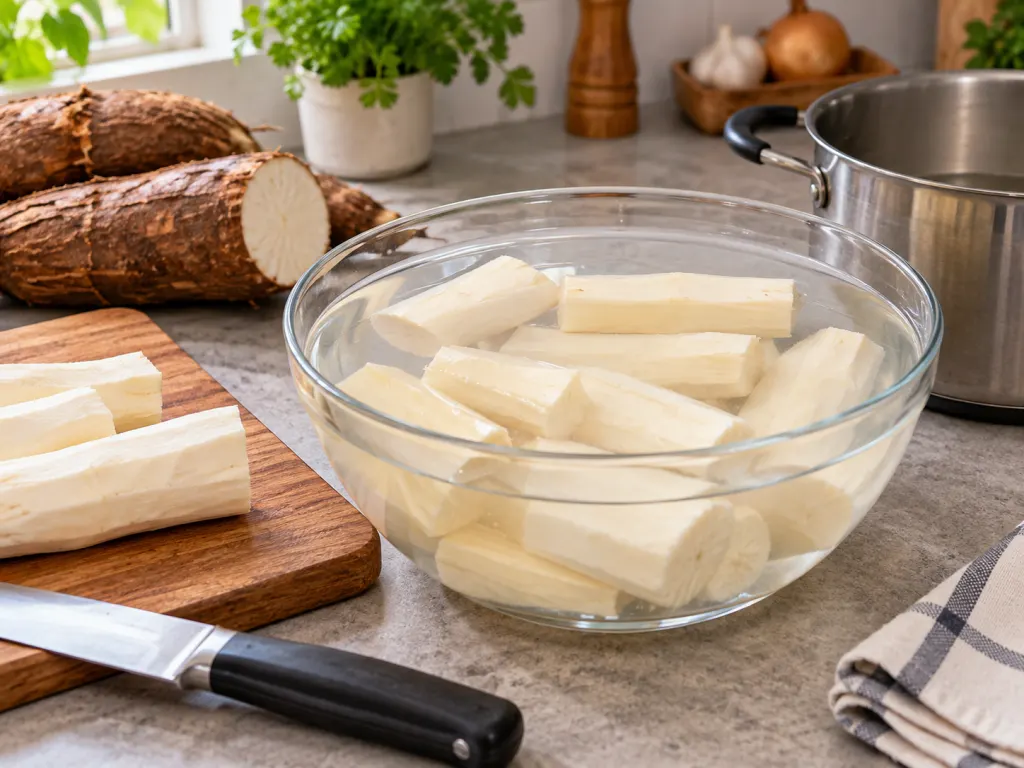
Traditional cassava processing is not one single method. FAO’s post-harvest chapter describes many approaches, including boiling, roasting, baking, soaking roots for several days, fermenting pastes, sun-drying chips, drying paste into flour, and preparing foods such as fufu: https://www.fao.org/4/x5045e/x5045e06.htm. The common goal is to reduce the compounds that can release cyanide before the food is eaten. Some methods are simple; others are tied to local knowledge passed through families and markets.
A useful home-level way to think about cassava safety is to separate raw cassava from processed cassava. Raw cassava should not be treated like a carrot or potato that can be casually tasted while chopping. Cassava flour also deserves attention, because flour can concentrate risk if it was made from a higher-cyanide variety without enough processing. The CDC described a 2017 outbreak in Uganda in which cassava flour with high cyanogenic content was linked to 98 suspected cases and two deaths: https://www.cdc.gov/mmwr/volumes/68/wr/mm6813a3.htm.
For ordinary readers, the practical checkpoints are simple and conservative:
- Buy cassava roots, flour, and prepared products from reputable sellers rather than unknown informal sources.
- Do not eat raw cassava root, peel, leaves, or flour paste.
- Follow preparation methods used for the exact form you bought, especially for frozen, fresh, dried, or flour products.
- Discard roots that are spoiled, moldy, badly discolored, or unusually soft.
- Be extra cautious with unfamiliar cassava varieties or products described as wild, bitter, or locally processed without clear preparation details.
Why Crisis Conditions Raise the Risk
The risk is not evenly spread across all cassava meals. WHO notes that natural toxins can create serious health threats, and WHO’s JECFA database treats cyanogenic glycosides as naturally occurring toxicants in food: https://apps.who.int/food-additives-contaminants-jecfa-database/Home/Chemical/1086. Outbreaks are more likely when people depend heavily on cassava, when higher-cyanide varieties are used, when processing is shortened, or when hunger, displacement, drought, conflict, or weak market oversight make careful preparation harder.
This is why the same crop can look ordinary in one household and dangerous in another situation. A family using well-known varieties and established processing practices is not in the same position as a community suddenly relying on unfamiliar flour during a shortage. Food safety is often about systems: what farmers grow, how processors handle roots, how sellers store flour, what households know, and whether public-health staff can trace problems when something goes wrong.
How Standards Fit Into the Picture
International food standards do not make cassava risk disappear, but they show that cassava safety is measurable. The Codex Alimentarius standards page lists standards for gari and edible cassava flour among international food texts: https://www.fao.org/fao-who-codexalimentarius/codex-texts/standards/en. WHO’s JECFA database also discusses cyanogenic glycosides and references limits used in cassava standards. For shoppers, the takeaway is not to test cassava at home; it is to respect the difference between regulated, properly processed products and uncertain products with no clear handling history.
In countries where cassava is common, local rules and food traditions may be more detailed than any short article can capture. In countries where cassava is less familiar, packaged products may come with cooking directions that should be followed closely. Imported, frozen, peeled, dried, or powdered cassava may each need different handling. Do not assume one preparation method fits every product. That is especially important for cassava flour, which can look harmless while still depending entirely on how the roots were selected and processed before milling.
What Shoppers and Home Cooks Can Take From This
The calm approach is neither panic nor casualness. Cassava has fed families for centuries, but it is not a food to improvise with when you do not know its form. If you are buying fresh cassava in a supermarket, choose firm roots, peel thoroughly, cook completely, and follow reputable preparation guidance. If you are buying flour, gari, tapioca starch, or other processed products, buy from established suppliers and pay attention to labels. If a food has an unusual odor, visible mold, or signs of poor storage, discard it.
It also helps to treat viral food claims as invitations to verify, not instructions to fear. The number in a headline may come from a model, an outbreak, an old report, or a simplified retelling of a more complex source. The stronger verified point is this: cassava can be safe when properly processed, and it can be hazardous when high-cyanide cassava is prepared badly or when flour comes from an unsafe batch. For another calm look at how food and memory can coexist without turning every ingredient into a warning, see Why Family Recipes Bring People Together.
The Bottom Line
Cassava is not a gimmick food, and it is not a mystery poison hiding in plain sight. It is a major staple crop with a real safety issue that people have managed through knowledge, processing, standards, and public-health oversight. The most useful version of the viral claim is the least sensational one: cassava feeds hundreds of millions of people, but it deserves respect in the kitchen because poor processing can leave dangerous cyanogenic compounds behind.
Wrap-Up
Cassava’s reputation sounds alarming only when the food is separated from its context. It is a drought-tolerant, culturally important staple that supports households, farmers, processors, and markets across tropical regions. Its risk comes from cyanogenic compounds that vary by plant variety and can remain when roots or flour are poorly processed. The safest reading is simple: buy from trustworthy sources, never treat raw cassava casually, follow appropriate preparation methods, and take sudden illness after cassava seriously. The story is not about a forbidden food; it is about the difference between informed preparation and risky shortcuts.
Frequently Asked Questions
- → Is cassava the food behind the viral claim?
Yes. The widely shared claim about a dangerous food eaten by hundreds of millions of people usually points to cassava, also called yuca or manioc. The real issue is not that cassava is always unsafe, but that some cassava contains cyanogenic compounds that need careful processing.
- → Can I eat raw cassava?
No. Raw cassava should not be eaten. The root, peel, leaves, and poorly prepared flour can contain compounds that may release cyanide. Cassava should be prepared according to reliable instructions for the exact product you bought.
- → Are tapioca products the same risk as fresh cassava?
Tapioca starch and many commercial cassava products are processed forms of cassava. Their safety depends on proper manufacturing and storage. Buy from established suppliers, follow labels, and avoid products that look spoiled, moldy, damp, or poorly stored.
- → Why do so many people eat cassava if it can be risky?
Cassava is filling, adaptable, and resilient in difficult growing conditions. FAO describes it as an important staple for hundreds of millions of people. Long-standing food traditions include processing steps that reduce risk before cassava is eaten.
- → What should I do if someone feels seriously ill after eating cassava?
Get urgent local medical help, especially for breathing difficulty, confusion, collapse, seizures, or repeated vomiting after eating cassava. This article cannot assess an individual situation, and sudden severe symptoms after a possible food exposure should be handled by qualified professionals.
References
This content was developed and refined using reliable sources.
- https://www.who.int/news-room/fact-sheets/detail/natural-toxins-in-food
- https://apps.who.int/food-additives-contaminants-jecfa-database/Home/Chemical/1086
- https://www.cdc.gov/mmwr/volumes/68/wr/mm6813a3.htm
- https://www.fao.org/4/U8480E/U8480E07.htm
- https://www.fao.org/4/x5045e/x5045e06.htm
- https://www.fao.org/4/y0169e/y0169e04.htm
- https://www.fao.org/fao-who-codexalimentarius/codex-texts/standards/en