 Save
Cinnamon and honey can be flavorful, comforting kitchen ingredients, but the combination should not be treated as a broad health solution. The most careful reading of current authoritative guidance is simple: enjoy them as foods, be skeptical of sweeping claims, and involve a qualified professional for personal health decisions. The National Center for Complementary and Integrative Health says research does not clearly support cinnamon for any health condition, while Mayo Clinic describes honey as mostly sugar with limited, specific evidence for soothing cough in people older than 1. The CDC is also clear that honey should not be given to children younger than 12 months because of infant botulism risk.
This guide looks at the cinnamon-and-honey trend without copying the hype. The useful question is not whether a pantry mixture is good or bad in every context. It is whether a claim is specific, supported by human evidence, realistic about uncertainty, and safe for the person considering it.
Why This Claim Spreads So Easily
Cinnamon and honey feel believable as a wellness pairing because both have a long culinary history, a warm flavor profile, and some real scientific interest. Cinnamon contains aromatic plant compounds, and honey is a complex sweet food made by bees from flower nectar. Those facts can be true while still leaving most dramatic online claims unsupported. A common pattern is that a post starts with something modest, such as laboratory interest in a compound, then stretches it into a promise about everyday use. That leap is where readers should slow down.
For a broader method, see our related guide, How to Evaluate Viral Ingredient Health Claims. The same checklist applies here: identify the exact ingredient, separate food use from concentrated supplement use, look for human evidence, check whether the source is selling something, and notice whether the claim sounds too complete for a complex body system.
- Food use is not the same as supplement use. A sprinkle of cinnamon in oatmeal is different from a concentrated capsule or extract.
- One ingredient is not a complete plan. Eating patterns, sleep, movement, medical history, and access to care all matter.
- Early research is not a household instruction. Laboratory findings often do not translate into practical advice.
- Personal risk varies. Age, allergies, liver concerns, and regular prescribed products can change what is sensible.

What Cinnamon Actually Is
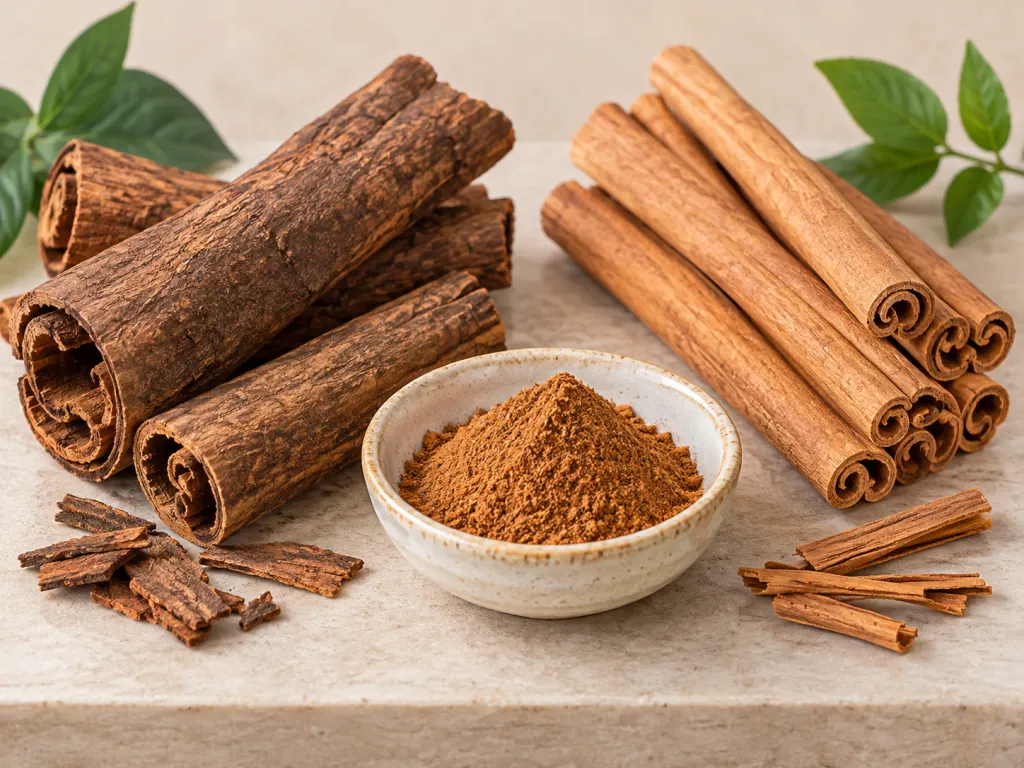
Cinnamon is not one single, uniform substance. It is the dried bark of trees in the Cinnamomum family, and different species are sold under the cinnamon name. NCCIH notes that Ceylon cinnamon, often called true cinnamon, and cassia cinnamon, common in North America, differ in composition and origin. That matters because online posts often use the word cinnamon as if every jar, stick, oil, extract, and capsule were interchangeable. They are not. Culinary cinnamon, concentrated extracts, essential oils, and supplement products can have different strengths and safety profiles.
What The Evidence Says About Cinnamon
The most grounded summary is cautious. NCCIH states that cinnamon is likely safe when consumed in the amounts commonly used in foods, but research does not clearly support using cinnamon for any health condition https://www.nccih.nih.gov/health/cinnamon. It also notes that studies can be hard to interpret because researchers do not always test the same cinnamon species, plant part, preparation, or product. That is an important limitation: when studies differ in what they test, readers should be careful about turning the results into a kitchen rule.
The Cassia Cinnamon Question
Cassia cinnamon may contain coumarin, a naturally occurring compound that NCCIH flags as a possible concern with prolonged use for sensitive people, including people with liver disease. This does not mean a normal dusting of cinnamon on toast is automatically a problem. It means large, repeated, concentrated use deserves more caution than ordinary flavoring. If someone wants to use cinnamon beyond normal food amounts, the safer move is to discuss that choice with a qualified professional rather than treating a viral post as guidance.
What Honey Brings To The Conversation
Honey is also real food with real limits. Mayo Clinic describes honey as a sweet fluid made by honeybees from flower nectar, with color, aroma, and taste varying by floral source. It also states plainly that honey is mostly sugar https://www.mayoclinic.org/drugs-supplements-honey/art-20363819. That single fact helps put many claims in perspective. Honey can be delicious in tea, yogurt, sauces, and baked goods, but it still adds sweetness and calories. Calling it natural does not make unlimited use automatically wise.
Where Honey Has A Narrower Evidence Base
Mayo Clinic summarizes research suggesting honey may help lessen cough and support sleep in people older than 1, while noting that higher-quality studies are needed to confirm results and that honey should never be given to children younger than 1 https://www.mayoclinic.org/symptoms/cough/expert-answers/honey/faq-20058031. That is a narrow, practical claim, not a blank check for every wellness promise. It also does not depend on cinnamon being added. Honey can be considered in that limited context, while ongoing or severe symptoms belong in a care conversation.
The Infant Honey Rule Is Clear
The CDC gives one of the most concrete safety points in this topic: honey should not be given to children younger than 12 months, and it should not be added to a baby's food, water, infant formula, or pacifier because of infant botulism risk https://www.cdc.gov/infant-toddler-nutrition/foods-and-drinks/foods-and-drinks-to-avoid-or-limit.html. This is not about whether honey is raw, local, organic, or expensive. The age boundary matters for all honey. Families with babies should treat this as a practical kitchen rule, not a preference.
Why The Combination Does Not Add Up To More Certainty
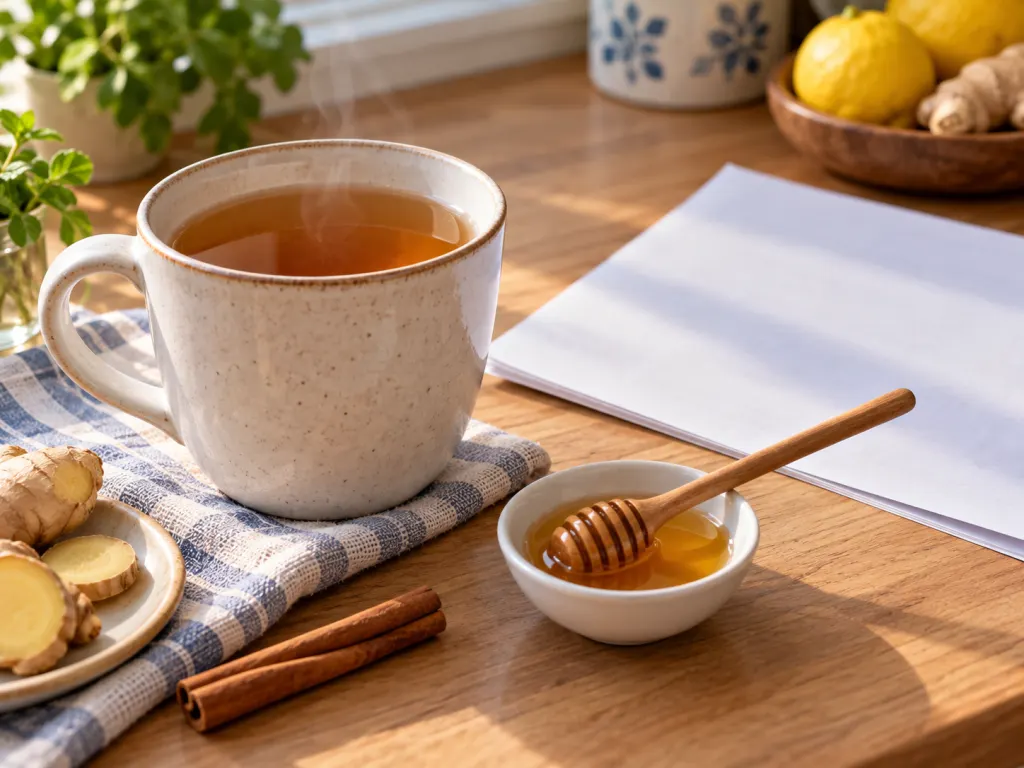
A common mistake is assuming that if two ingredients have interesting properties separately, putting them together multiplies the result. Evidence does not work that way. A combination needs its own support: the exact ingredients, form, amount, population, comparison, and outcome all matter. A spoonful of honey with cinnamon in tea may be pleasant. It may also help some people drink more warm fluids when they want comfort. But that is different from proving broad health outcomes from the mixture itself.
This distinction also appears in other pantry-ingredient trends. Our guides to garlic and oregano health claims and oregano oil health claims make the same basic point: culinary tradition can be valuable, but concentrated products and large promises need stronger evidence. If you want an example of a food with a better-defined nutrient discussion, compare this topic with Health Benefits of Walnuts, where the conversation can lean more on established food composition and eating-pattern research.
How To Judge A Cinnamon And Honey Claim
When you see a claim about cinnamon and honey, ask what it is really asking you to believe. Is it about taste, comfort, a normal recipe, a supplement, or a personal health decision? Is the claim based on human research or on isolated compounds? Does it name the type of cinnamon? Does it acknowledge that honey is mostly sugar? Does it mention the under-12-month honey rule? Does it push you to buy a special product? These questions do not require a science degree. They simply move the claim from excitement to evidence.
The FDA's dietary supplement Q&A is useful here because it explains that the agency generally does not approve dietary supplements before marketing and that companies are responsible for meeting legal requirements and substantiating certain label claims https://www.fda.gov/food/information-consumers-using-dietary-supplements/questions-and-answers-dietary-supplements. In everyday terms, a cinnamon capsule, honey blend, or wellness powder being sold online should not be treated as personally proven just because the packaging looks polished.
A Practical Kitchen View
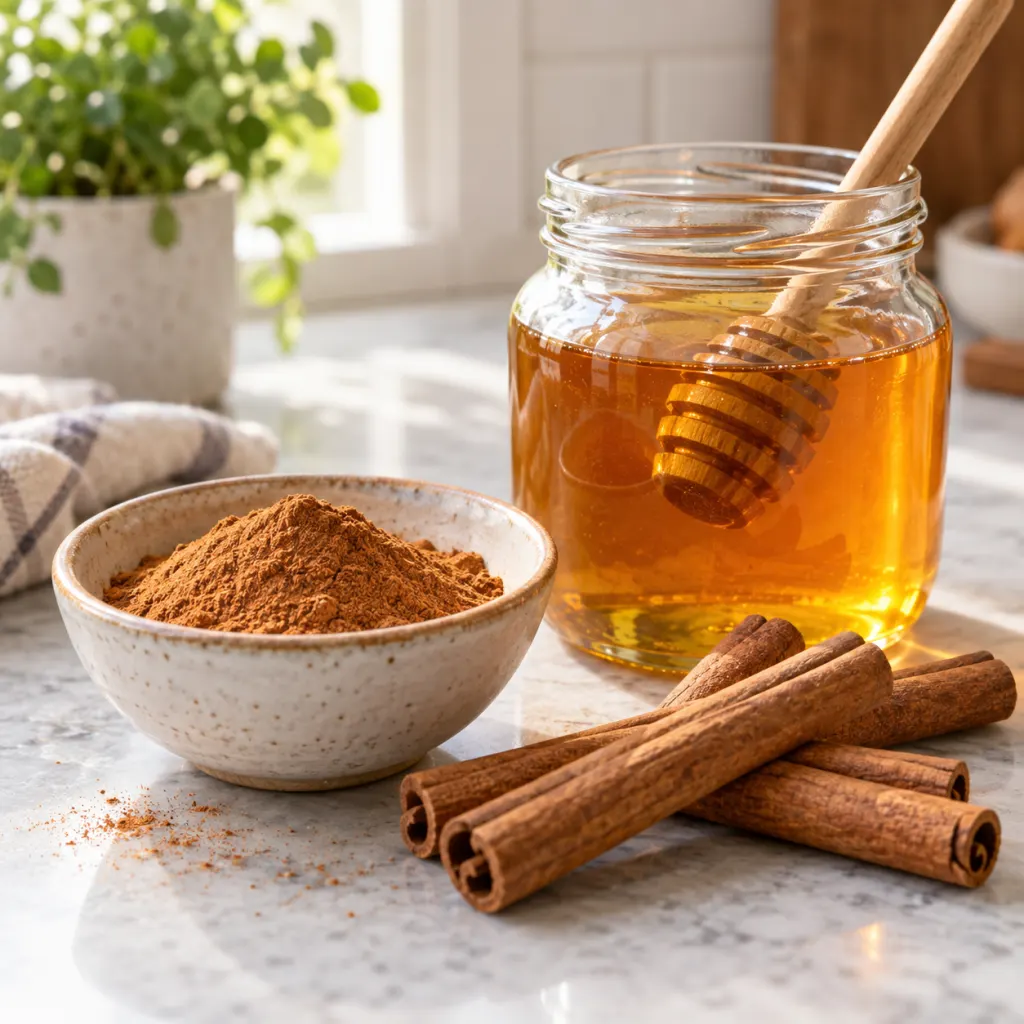
For most home cooks, the best place for cinnamon and honey is still the kitchen. Cinnamon can add warmth to oatmeal, apples, toast, coffee, yogurt, roasted vegetables, stews, and baked goods. Honey can round out dressings, glazes, tea, marinades, and desserts. Using them this way keeps the conversation grounded: they are flavor tools. If a recipe includes both, enjoy the taste and aroma rather than expecting the mixture to do the work of a personal care plan.
Moderation also keeps the ingredient story honest. Honey contributes sweetness, so it should be counted as an added sweetener in the overall day. Cinnamon is potent in flavor, so a little usually does enough in food. If a post suggests frequent large spoonfuls, concentrated powders, or a daily ritual aimed at changing a health outcome, that has moved beyond ordinary cooking. At that point, the evidence bar should be higher, and personal context matters more.
When To Be Extra Careful
Extra caution makes sense for babies, people with known allergies, people with liver concerns, and anyone considering concentrated cinnamon products. Essential oils should not be treated like pantry spices, and cinnamon powder should never be used in unsafe internet challenges. Honey should stay out of infant feeding during the first year. These are practical boundaries, not scare tactics. They let cinnamon and honey remain enjoyable foods without turning them into more than the evidence supports.
The Bottom Line
Cinnamon and honey are not suspicious just because online claims about them are exaggerated. They are useful, flavorful foods with specific cautions and limited areas of evidence. The strongest everyday conclusion is balanced: use cinnamon and honey for flavor, respect the infant honey rule, be careful with concentrated products, and do not let a viral claim outrun reliable guidance. A calm kitchen habit beats a dramatic promise every time.
Wrap-Up
Cinnamon and honey deserve a grounded place in the pantry, not an inflated reputation. Cinnamon is generally fine as a spice in normal food amounts, though cassia cinnamon and concentrated products deserve caution. Honey is mostly sugar, may have a narrow soothing role for cough in people older than 1, and should never be given to babies under 12 months. The combination can taste good, but current evidence does not support treating it as a broad health shortcut. Use it for flavor, read claims carefully, and bring personal questions to a qualified professional.
Frequently Asked Questions
- → Is cinnamon with honey better than using either ingredient alone?
There is not enough strong evidence to say the combination has a special broad effect beyond the ingredients themselves. It can be pleasant in tea, oatmeal, yogurt, or baked fruit, but the claim should stay culinary unless a specific health statement is supported by reliable human evidence.
- → Which cinnamon is usually used in grocery-store jars?
NCCIH notes that cassia cinnamon is the most common type sold in North America, while Ceylon cinnamon is often called true cinnamon. The distinction matters most when people use cinnamon in large or concentrated forms, because the species and plant part can affect composition.
- → Can babies have honey if it is cooked or mixed with cinnamon?
No. The CDC says honey should not be given to children younger than 12 months and should not be added to a baby's food, water, formula, or pacifier. Cooking or mixing it with another ingredient is not a reason to ignore that age boundary.
- → Is honey healthier because it is natural?
Natural does not automatically mean unlimited. Mayo Clinic describes honey as mostly sugar, even though it also contains other compounds and can vary by floral source. In the kitchen, it is best understood as a flavorful sweetener with a few specific cautions.
- → What should I look for when a post makes a strong claim about cinnamon and honey?
Look for specifics: the type of cinnamon, the form of honey, whether the claim is about ordinary food or a concentrated product, whether human research is cited, and whether safety boundaries are mentioned. Vague language and dramatic certainty are reasons to slow down.
References
This content was developed and refined using reliable sources.
- https://www.nccih.nih.gov/health/cinnamon
- https://www.mayoclinic.org/drugs-supplements-honey/art-20363819
- https://www.mayoclinic.org/symptoms/cough/expert-answers/honey/faq-20058031
- https://www.cdc.gov/infant-toddler-nutrition/foods-and-drinks/foods-and-drinks-to-avoid-or-limit.html
- https://www.fda.gov/food/information-consumers-using-dietary-supplements/questions-and-answers-dietary-supplements